


UK Inflation Rises to 3.1% in August Amid Soaring Fuel Prices



The United Kingdom experienced a rise in its annual inflation rate to 3.1% in August, marking the first time since March that inflation surpassed the 3% level. This increase is largely attributed to a sharp rise in motor fuel prices, which the Office for National Statistics (ONS) reported surged by 23% compared with the previous year.




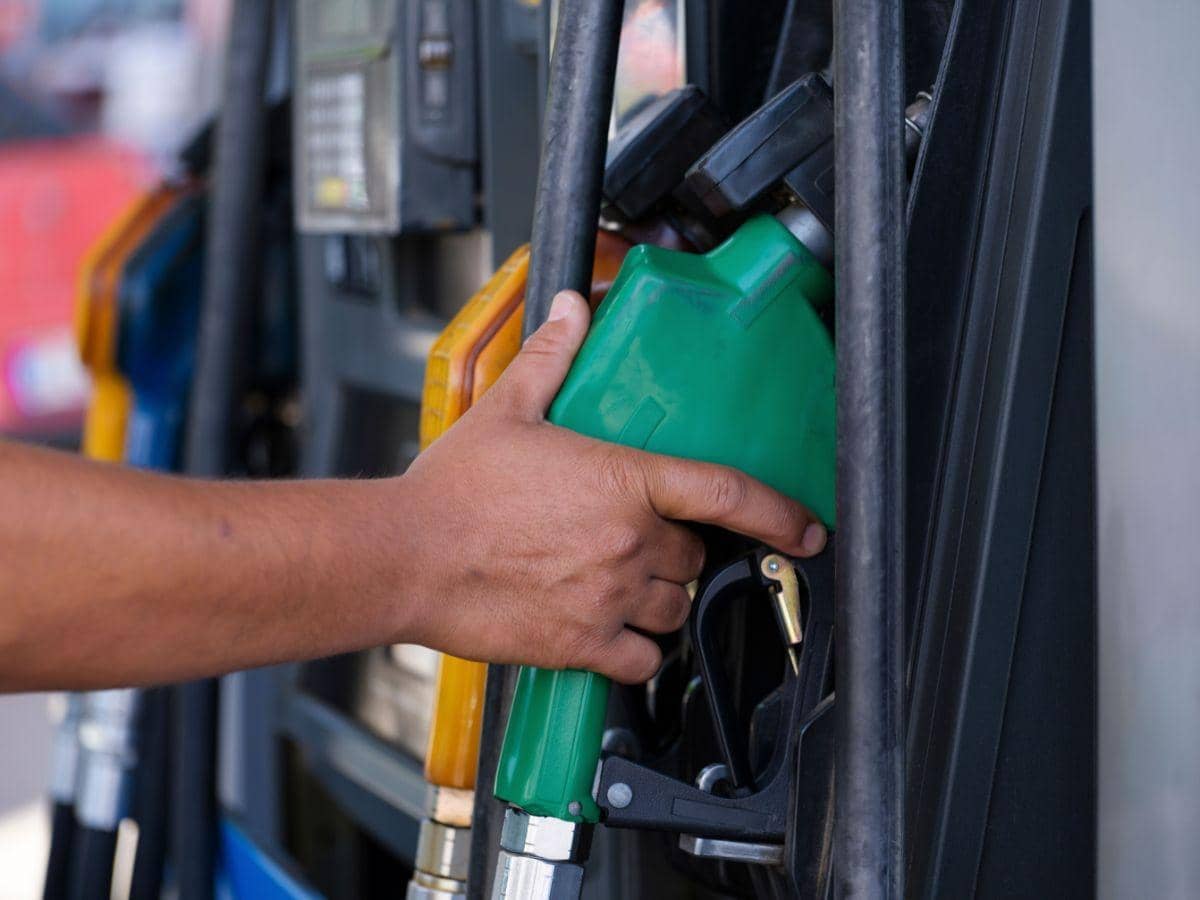
Gasoline prices jumped significantly, with an increase of 9.1 pence per liter from July to August, reaching levels not seen since November 2022. Diesel prices also climbed sharply, rising by 14.2 pence per liter during the same period. These figures coincide with Brent crude oil prices remaining above $100 per barrel, sustaining upward pressure on consumer fuel costs.
Energy expenses play a critical role in the UK's inflation dynamics because the country imports much of its energy. The cost of electricity, gas, and other household fuels rose by 6% year-on-year in August, further contributing to inflationary pressures. The government’s energy price cap was revised upward in July, causing inflation to jump to 2.9% that month, and the trend continued into August.
The current inflation surge adds to the ongoing cost-of-living challenges faced by UK residents. These challenges stem from post-pandemic inflationary pressures and were exacerbated by the geopolitical tensions following Russia's invasion of Ukraine in 2022. The conflict disrupted energy supplies worldwide, affecting prices globally and particularly impacting energy-importing nations like the UK.
Market reactions to the inflation data were notable. Yields on UK government bonds, known as gilts, decreased following the announcement. The yield on the 30-year gilt, after reaching a 28-year peak earlier in the week, fell by nearly 2 basis points to 5.907%. Similarly, the benchmark 10-year gilt yield decreased by almost 3 basis points to 5.365%. The British pound remained stable against both the US dollar and the euro.
These inflation figures come just ahead of the Bank of England’s Monetary Policy Committee meeting, scheduled for Thursday. Market analysts expect the central bank to keep its key interest rate steady at 3.75% in the upcoming announcement, with an over 80% chance priced in according to LSEG data. However, speculation remains that rates may rise in November if inflationary pressures persist.
Prime Minister Andy Burnham faces mounting pressure as he seeks to balance efforts to ease the cost-of-living burden with the need to maintain fiscal discipline and satisfy financial markets. Economists remain cautious about the outlook. James Smith, an economist at ING, noted that there is no clear indication from the latest inflation data that an immediate interest rate hike is necessary. He emphasized that the energy price shock has not yet spread broadly across other inflation components.
Smith highlighted that inflation for food and non-alcoholic beverages actually decreased to 1.1% year-on-year in August. Additionally, sectors with high energy intensity, such as air travel and canteens, have seen a decline in inflation compared to last year, even when excluding distortions from prior tax increases.
Bogdan Toma, a partner at McKinsey & Company, pointed out that gasoline prices at their highest in nearly four years could make the upcoming 'golden quarter'—the crucial retail period encompassing back-to-school and holiday shopping—more challenging for consumers and retailers alike. Rising household expenses combined with the possibility of higher interest rates might suppress demand, potentially intensifying competition among retailers and squeezing profit margins.
Scott Gardner, an investment strategist at J.P. Morgan Personal Investing, suggested that while the inflation increase may not prompt an immediate rate hike from the Bank of England, it could heighten concerns among policymakers about inflation’s trajectory. He noted that despite some resilience in core and services inflation, firms are increasingly facing cost pressures, particularly in manufacturing and services. Wage growth remains modest, and a somewhat soft labor market could restrict consumer spending in the near future.
Gardner also pointed to emerging inflation risks from rising food prices linked to fertilizer costs and the potential for businesses to pass on higher expenses to consumers. He mentioned that demand for metals, semiconductors, and other supply chain materials connected to artificial intelligence developments might also influence inflation trends. The extent to which current energy price increases evolve into a broader inflationary challenge will depend largely on the duration of the ongoing Middle East conflict.
As the UK continues to navigate these economic pressures, the interaction between global energy markets, domestic policy decisions, and consumer spending patterns will be critical in shaping inflation outcomes in the months ahead.
What's Your Reaction?
 Like
0
 Dislike
0
 Love
0
 Funny
0
 Wow
0
 Sad
0
 Angry
0















Comments (0)