
OMCs Exclude Sugar-Based Ethanol in 2026-27 Tender, Reduce Maize Ethanol Price

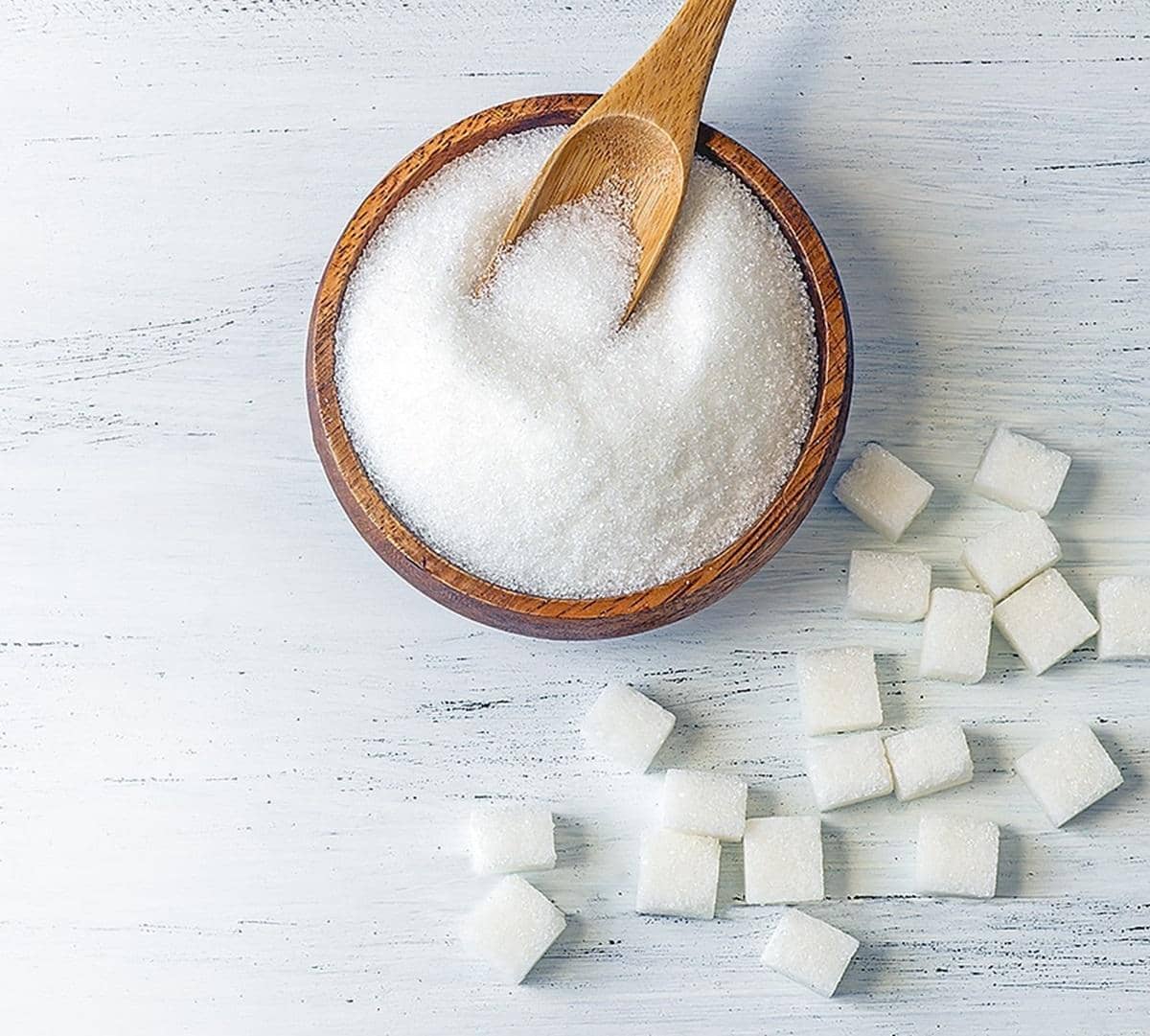
India’s state-run oil marketing companies (OMCs) have announced a significant change in their ethanol procurement strategy for the 2026-27 supply year. In a tender issued on October 16 by Bharat Petroleum Corporation Ltd (BPCL) on behalf of the OMCs, ethanol made from sugarcane juice, sugar syrup, and B-heavy molasses has been excluded. This move aligns with government directives aimed at conserving domestic sugar stocks while continuing to support the country’s ethanol blending program.
The tender calls for approximately 11 billion liters of ethanol to be supplied starting November 2026. This volume is intended to meet the government’s target of blending 20 percent ethanol into petrol across the nation, a policy designed to reduce dependence on fossil fuels and cut pollution. However, the exclusion of sugar-based ethanol marks a departure from previous procurement cycles where sugar molasses was a major ethanol feedstock.
According to the tender document, the Indian government has instructed that sugar diversion for ethanol production be reduced to zero for the 2026-27 ethanol supply year. This directive is in response to concerns over domestic sugar availability, given the crucial role sugarcane farming plays in India’s agricultural economy. By limiting ethanol production from sugarcane juice, sugar syrup, and B-heavy molasses, the government aims to balance the needs of both the sugar and ethanol industries.
Alongside the exclusion of sugar-based ethanol, the procurement price for ethanol derived from maize has been revised downward. The price has been lowered from Rs 71.86 per liter to Rs 68.86 per liter. This adjustment may reflect market conditions or cost considerations and could influence the participation of maize-based ethanol producers in the upcoming tender.
India has been steadily increasing ethanol blending levels in petrol as part of its broader energy and environmental policies. The ethanol blending program, which started with a 5 percent target, has now moved toward a 20 percent goal, encouraging use of biofuels to reduce carbon emissions and import dependence on crude oil. Ethanol is primarily produced from molasses, a byproduct of sugar manufacturing, as well as from other agricultural feedstocks such as maize and damaged food grains.
The decision to bar sugar-based ethanol this year reflects a careful balancing act between supporting the sugar sector and achieving energy diversification. Sugarcane farmers and sugar mills have historically been major stakeholders in ethanol production, benefiting from the additional revenue stream. However, sugar availability for domestic consumption and exports remains a priority for the government, especially amid fluctuating global sugar prices and domestic demand.
BPCL’s role in issuing this tender on behalf of the OMCs highlights the coordinated approach among India’s major oil companies to implement government policy. These companies include Indian Oil Corporation Ltd (IOCL), Bharat Petroleum Corporation Ltd (BPCL), and Hindustan Petroleum Corporation Ltd (HPCL), all of which work together to procure ethanol for blending at refineries nationwide.
The revised procurement strategy may prompt ethanol producers to shift focus toward maize-based ethanol or other alternative feedstocks. Maize ethanol, although a smaller share of India’s ethanol mix, has emerged as a viable option to supplement supply, especially when sugarcane molasses availability is constrained.
Overall, this tender reflects India’s ongoing efforts to meet ambitious ethanol blending targets while managing agricultural priorities and market dynamics. The government’s intervention to restrict sugar-based ethanol this cycle demonstrates its intent to safeguard sugar supplies without halting progress on renewable fuel adoption. Industry participants will be closely watching how these changes impact ethanol production patterns and pricing in the coming year.
What's Your Reaction?
 Like
0
 Dislike
0
 Love
0
 Funny
0
 Wow
0
 Sad
0
 Angry
0









Comments (0)