


Geopolitical Events and Oil Prices to Shape Market Trends This Week

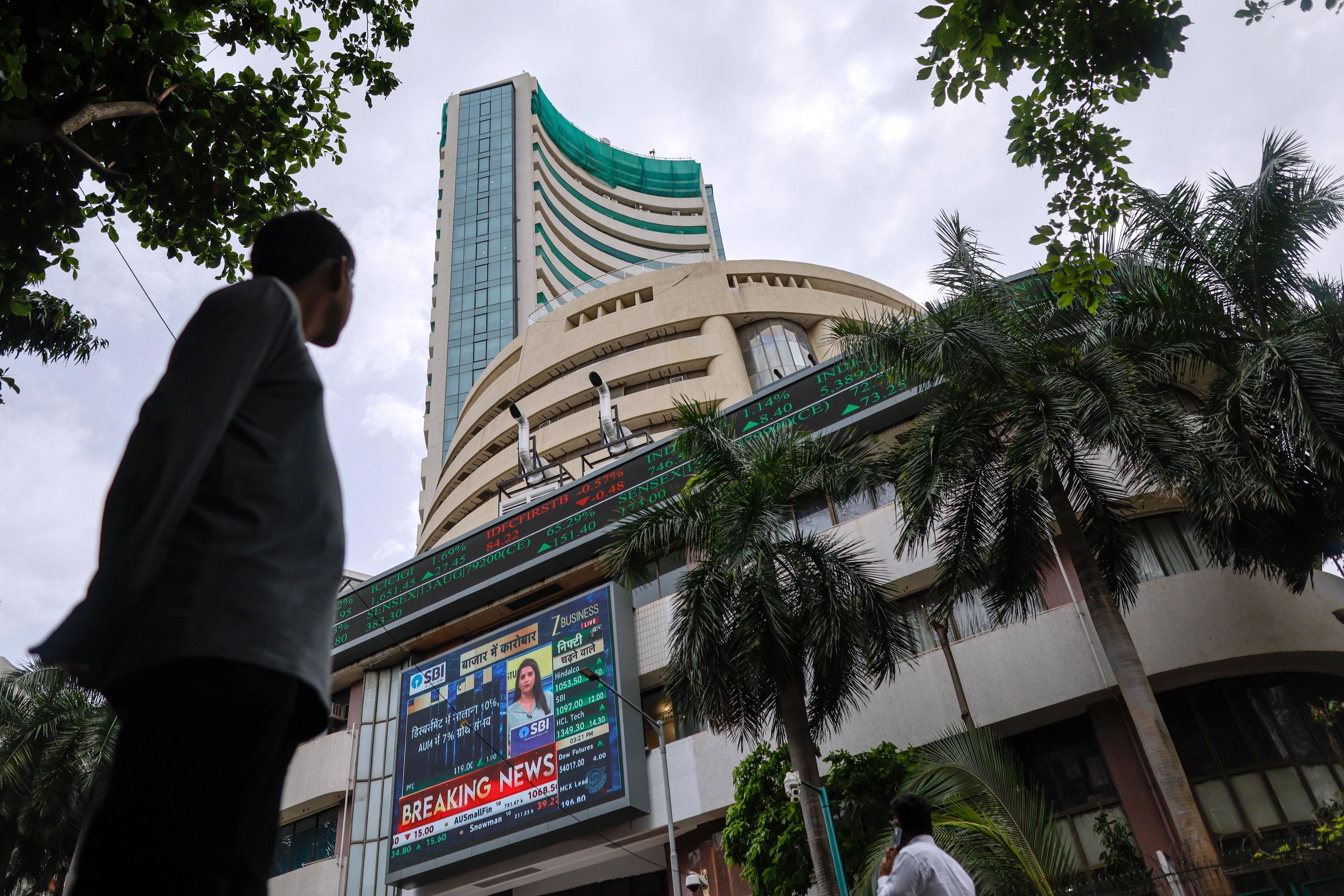


Investors are expected to keep a close eye on geopolitical issues, crude oil price fluctuations, bond yield movements, and upcoming economic data releases as these factors set the tone for markets during the holiday-shortened week. Market experts suggest that developments around US-Iran diplomatic negotiations alongside oil price trends will be pivotal in shaping global investor sentiment.




Equity markets in India will observe a closure on Friday in observance of Mahatma Gandhi Jayanti, resulting in a four-day trading week. This reduced timeframe could add a layer of caution among traders, especially as various external influences remain unsettled.
Ajit Mishra, Senior Vice President of Research at Religare Broking, pointed out the significance of the ongoing US-Iran diplomatic talks. He explained that any successful progress towards a framework to reopen the Strait of Hormuz could potentially ease energy costs. This would have positive implications for India’s import expenses and the rupee’s stability. Conversely, if geopolitical tensions escalate again, market volatility is likely to remain high.
The Strait of Hormuz is a crucial maritime chokepoint through which a significant portion of the world’s oil supply passes. Disruptions here can cause sharp spikes in oil prices, affecting global markets and particularly import-dependent economies like India. Therefore, the diplomatic exchanges between the US and Iran are closely monitored by investors worldwide.
Alongside geopolitical factors, crude oil prices will continue to command attention. Oil markets have shown sensitivity to both political developments and supply-demand dynamics. Any changes in production or supply routes could cause notable price swings, which in turn influence inflation expectations, corporate earnings, and currency values.
Bond yields, another key financial indicator, are also likely to impact market direction. Rising yields can increase borrowing costs and alter investment flows between equities and fixed income assets. As global central banks adjust their monetary policies in response to inflation and economic growth data, bond markets remain a critical area for investors to watch.
On the domestic front, market participants will analyze August’s industrial production data and HSBC’s manufacturing purchasing managers’ index (PMI) for additional insights into the health of India’s economy. These statistics help gauge the pace of economic activity and manufacturing sector performance, which are essential for forecasting corporate earnings and broader economic trends.
Macroeconomic data from other major economies, including inflation rates and employment figures, will also influence market sentiment. Investors often view such information as indicators of future central bank actions and economic stability, which can sway market momentum.
The combination of geopolitical uncertainties, fluctuating commodity prices, and economic indicators presents a complex backdrop for investors. Market participants are likely to adopt a cautious stance given these mixed signals, especially during a week with fewer trading days.
In summary, the upcoming week’s market movements will hinge on how global political developments unfold, particularly the US-Iran talks, and how crude oil prices react. These factors, coupled with bond market trends and critical economic data releases, will guide investor behavior in a trading environment constrained by the holiday.
Investors and analysts will be monitoring these variables closely to adjust their strategies, balancing risks and opportunities in what promises to be a dynamic trading period.
What's Your Reaction?
 Like
0
 Dislike
0
 Love
0
 Funny
0
 Wow
0
 Sad
0
 Angry
0

















Comments (0)