


China Advances in Space Technology, Closing Gap with SpaceX

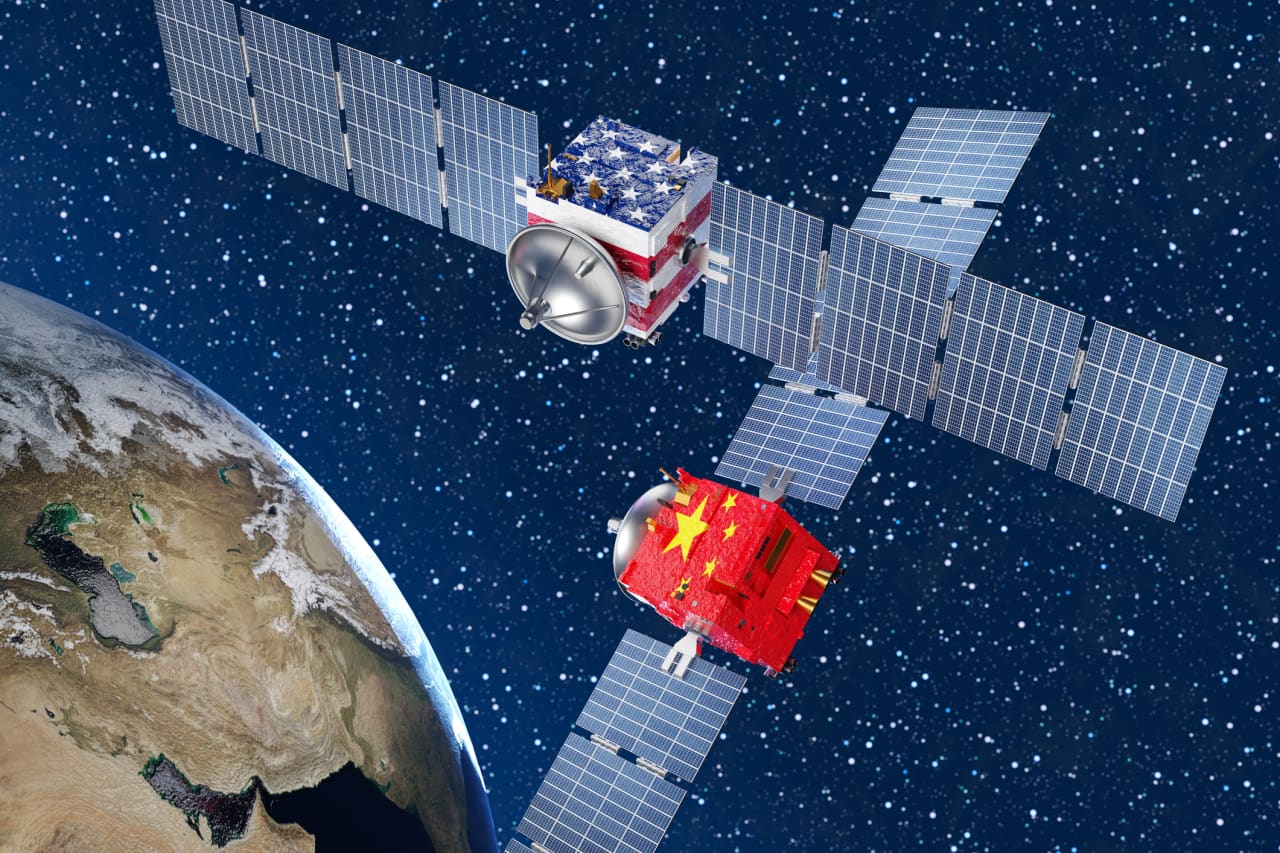


China's space technology sector is gaining momentum and expanding its influence within the global space economy, experts observe. This development marks a significant step as Chinese companies move to compete directly with established players like SpaceX.




Over the past decade, China has made remarkable strides in space exploration and satellite technology. Government-backed firms and private enterprises alike are working to increase their capabilities in satellite launches, space infrastructure, and innovative space services. This growth is part of a broader national strategy to become a dominant force in future space activities.
SpaceX, led by Elon Musk, has long been a leader in commercial spaceflight, known for cutting costs and increasing launch frequency. Its Starlink satellite constellation aims to provide worldwide internet coverage, while the company's reusable rocket technology has set new standards in the industry. Chinese companies have been closely monitoring these advances, aiming to replicate and innovate on similar technologies.
Chinese space firms are focusing on several key areas to boost their presence. These include developing their own satellite internet networks, expanding launch services, and investing in space-based research and manufacturing. By doing so, they hope to tap into the growing demand for space-related infrastructure and services globally.
The competition between China and established space companies reflects the increasing importance of space in economic and strategic terms. Satellites play a critical role in telecommunications, navigation, weather forecasting, and defense. As countries and corporations invest more in space, the market for space technologies and services continues to expand.
This push by China could lead to more options and potentially lower costs for satellite launches and space services worldwide. However, it also raises questions about regulatory standards, technology sharing, and international cooperation in space.
Industry observers note that while China is making rapid progress, challenges remain. These include technological hurdles, international trade restrictions, and the need to develop a wider commercial customer base beyond state contracts. Successful navigation of these issues will determine how quickly Chinese companies can rival SpaceX and other global leaders.
For consumers and businesses, increased competition in space technology could mean faster development of new services and improved access to satellite-based communications. This has implications for rural connectivity, disaster response, and scientific research.
As China continues to pursue its ambitious space goals, the global space economy will likely see increased activity and innovation. The evolving dynamics between Chinese firms and established industry players will be an important trend to watch in the coming years.
What's Your Reaction?
 Like
0
 Dislike
0
 Love
0
 Funny
0
 Wow
0
 Sad
0
 Angry
0















Comments (0)