


Sebi Approves Portfolio Manager Reforms and Settlement Rule Updates

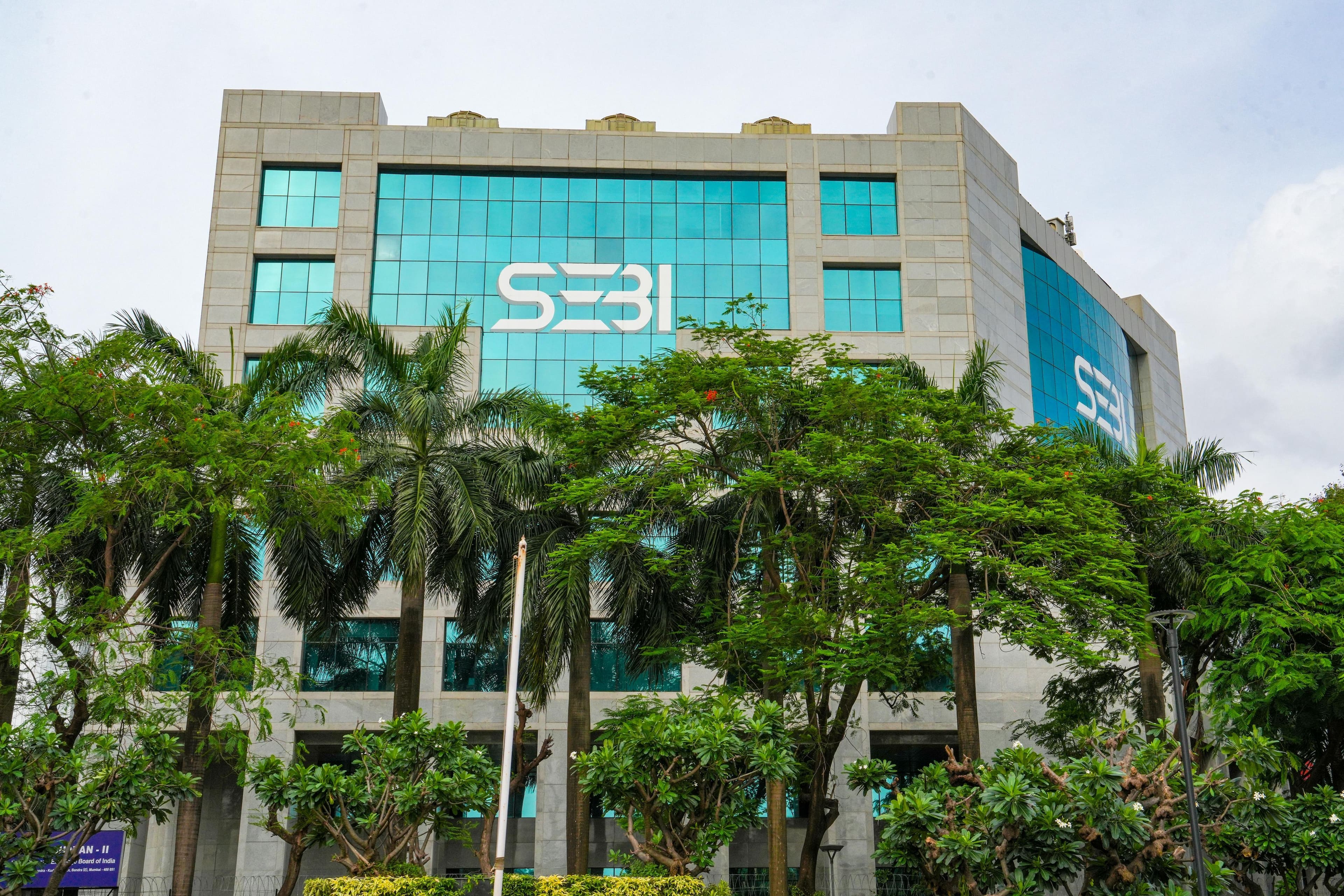


The Securities and Exchange Board of India (Sebi) has cleared a series of significant regulatory updates impacting portfolio managers, foreign investors, and settlement procedures. The board’s decisions, announced on Thursday, include the introduction of a new Portfolio Managers Route for Investing in Mutual Fund Units (PRIM), revisions to settlement processes, broader participation rights for foreign portfolio investors (FPIs), and a unified advertisement code for regulated entities.




One of the key changes involves allowing portfolio management services (PMS) providers to invest client funds directly in mutual fund schemes and specialised investment funds (SIFs) through PRIM. This approach will be available as a distinct investment option with a minimum investment threshold set at ₹25 lakh. Existing PMS operators can adopt PRIM alongside their current offerings, providing investors with more diversified portfolio structures.
Sebi has also introduced a new class called "independent fund managers" (IFMs). These IFMs will manage client portfolios but must work in conjunction with a registered portfolio manager. This structure aims to maintain investor safeguards while potentially expanding the pool of portfolio management professionals. Furthermore, PMS managers will now be able to allocate up to 10 percent of client assets under management in investment-grade unlisted debt securities, provided clients give consent. Additional investment avenues now permitted include initial public offerings (IPOs), primary market debt issuances, and exchange-traded derivatives.
In streamlining regulatory language, Sebi removed redundant clauses from the PMS regulations, making the rules clearer and easier to follow. This effort aligns with the regulator’s ongoing push to simplify compliance and enhance transparency in portfolio management.
Changes to settlement proceedings represent another major reform. Sebi has revamped the settlement framework by introducing a new formula for calculating settlement amounts and by distinguishing wrongful gains separately in the settlement process. Before issuing a show-cause notice, the regulator will send a settlement notice, allowing entities 60 days to apply for settlement, except when an interim order is anticipated. The scope of settlement has been broadened to include cases involving misrepresentation of financial statements or diversion of funds. A fast-track settlement option is also now available for disclosure-related violations where the settlement amount does not exceed ₹10 lakh.
Regarding foreign portfolio investors, Sebi has expanded their participation rights to include non-agricultural index derivatives contracts, regardless of whether the underlying asset is cash-settled. FPIs can also engage in non-cash-settled non-agricultural commodity derivatives, subject to safeguards that require them to exit positions before any delivery obligations arise. These changes aim to provide FPIs with greater flexibility while preserving market integrity.
Sebi chairman Tuhin Kanta Pandey highlighted that the regulator has received over 3,500 comments during its consultation on reforms to the Closing Auction Session (CAS). He also noted that the Reserve Bank of India is reviewing some of Sebi’s suggestions related to easing FPI onboarding and operations.
On the topic of margin trading facilities (MTF), Pandey mentioned that the segment has grown steadily over the past two years but remains well diversified. The top 25 stocks account for around 20 percent of the total MTF exposure. The regulator continues to keep a close watch on the risk management systems governing this market segment.
Addressing concerns from brokers about the merchant discount rate (MDR) on UPI transactions in capital markets, Pandey acknowledged that brokers’ challenges differ from those faced by typical merchants. Since brokers often refund client funds, UPI-based transactions do not generate revenue for them comparable to conventional merchant payments. Sebi is considering how to represent these concerns and noted that brokers have also raised the matter with the government.
Regarding co-location services in the commodities market, Sebi stressed the importance of equitable access to trading platforms, particularly given the involvement of farmers in that sector. The regulator is urging exchanges to enhance their systems and governance frameworks to ensure fairness.
In addition to the above, Sebi eased certain compliance requirements by relaxing the obligation for research analysts and research entities to maintain call recordings with institutional clients. The regulator also endorsed a common advertisement code for select regulated entities, allowing celebrity endorsements for brand-level promotions while removing some prior approval requirements, except when celebrities are involved.
Further approvals include permitting the issuance of depository receipts on units of Real Estate Investment Trusts (REITs) and Infrastructure Investment Trusts (InvITs), a move designed to attract foreign investment into these asset classes. A revised accredited investor framework now recognizes persons residing outside India, including FPIs, as accredited investors. This change facilitates their access to specific Indian securities market products, encouraging foreign capital inflows.
Other regulatory updates involve modifications to Vault Manager rules, measures to improve ease of doing business for REITs and InvITs, and easing the requirement for issuers planning their first listed non-convertible debenture (NCD) issuance to list all outstanding unlisted NCDs.
These comprehensive reforms by Sebi reflect the regulator’s effort to modernize market practices, improve investor protection, and promote foreign investment, aligning India’s capital markets with global standards.
What's Your Reaction?
 Like
0
 Dislike
0
 Love
0
 Funny
0
 Wow
0
 Sad
0
 Angry
0




















Comments (0)