


How I’m Paying Off $7,500 in Credit Card Debt and How You Can Too

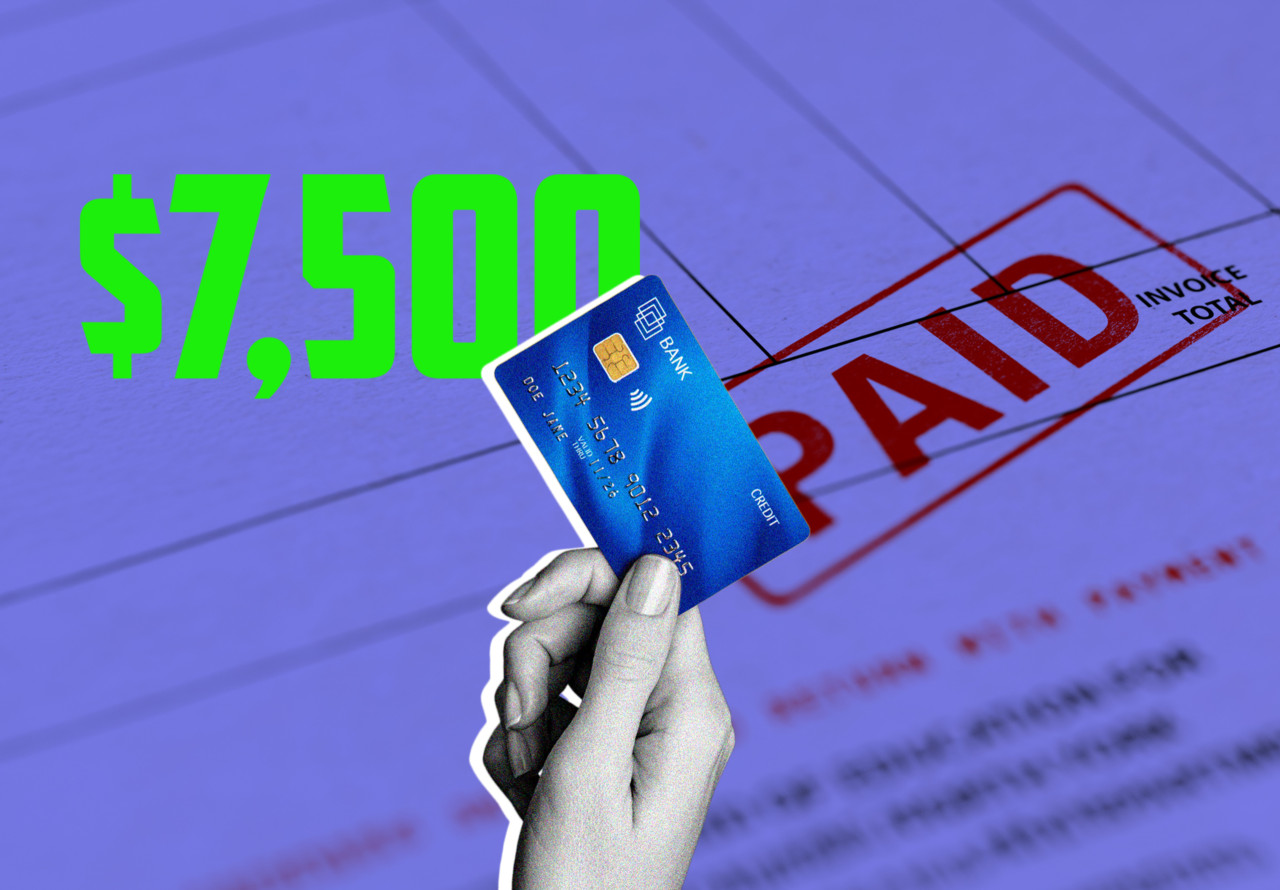


Managing credit card debt can feel overwhelming, especially when the balance climbs into the thousands. One individual recently shared a plan to pay off $7,500 in credit card debt, offering insights that could help others facing similar financial challenges.




Credit card debt often accumulates due to various factors including unexpected expenses, lifestyle choices, or lack of budgeting. The high interest rates associated with credit cards can make balances grow faster than anticipated, leading to a cycle that feels hard to break. The key to gaining control begins with a clear and realistic repayment strategy.
In this case, the plan started with acknowledging that spending had gotten out of hand. Recognizing the problem is the first step toward regaining financial stability. From there, the focus shifted to creating a budget that accounted for income, essential expenses, and how much could be allocated toward debt repayment each month.
One effective approach is the debt avalanche method, which involves paying off the highest-interest debts first while making minimum payments on others. This reduces the amount of interest paid over time, allowing the balance to shrink more quickly. Alternatively, the debt snowball method focuses on paying off the smallest debts first to build momentum and motivation. Choosing the right method depends on personal preferences and financial situations.
Another important aspect of the plan was identifying areas where spending could be cut. This might include reducing discretionary purchases, dining out less, or finding more affordable alternatives for everyday expenses. Every dollar saved can be redirected toward paying down the debt faster.
Consistency in making payments is crucial. Setting up automatic payments can help avoid missed due dates, which often lead to additional fees and damage to credit scores. Tracking progress regularly also keeps motivation high and helps adjust the plan if necessary.
For many, paying off credit card debt opens up opportunities for better financial health, including improved credit scores and increased savings potential. While it requires discipline and patience, having a clear plan and sticking to it can make a significant difference.
Those looking to tackle their own credit card debt might consider starting with a detailed review of their finances, followed by choosing a repayment strategy that suits their situation. Seeking advice from financial counselors or using online tools can also provide guidance tailored to individual needs.
Ultimately, paying off credit card debt is a step toward greater financial freedom. By adopting practical measures and maintaining focus, it is possible to regain control and work toward a more secure financial future.
What's Your Reaction?
 Like
0
 Dislike
0
 Love
0
 Funny
0
 Wow
0
 Sad
0
 Angry
0

















Comments (0)