


Philadelphia Fed's Anna Paulson Signals Possible Additional Rate Hikes Amid Inflation Concerns

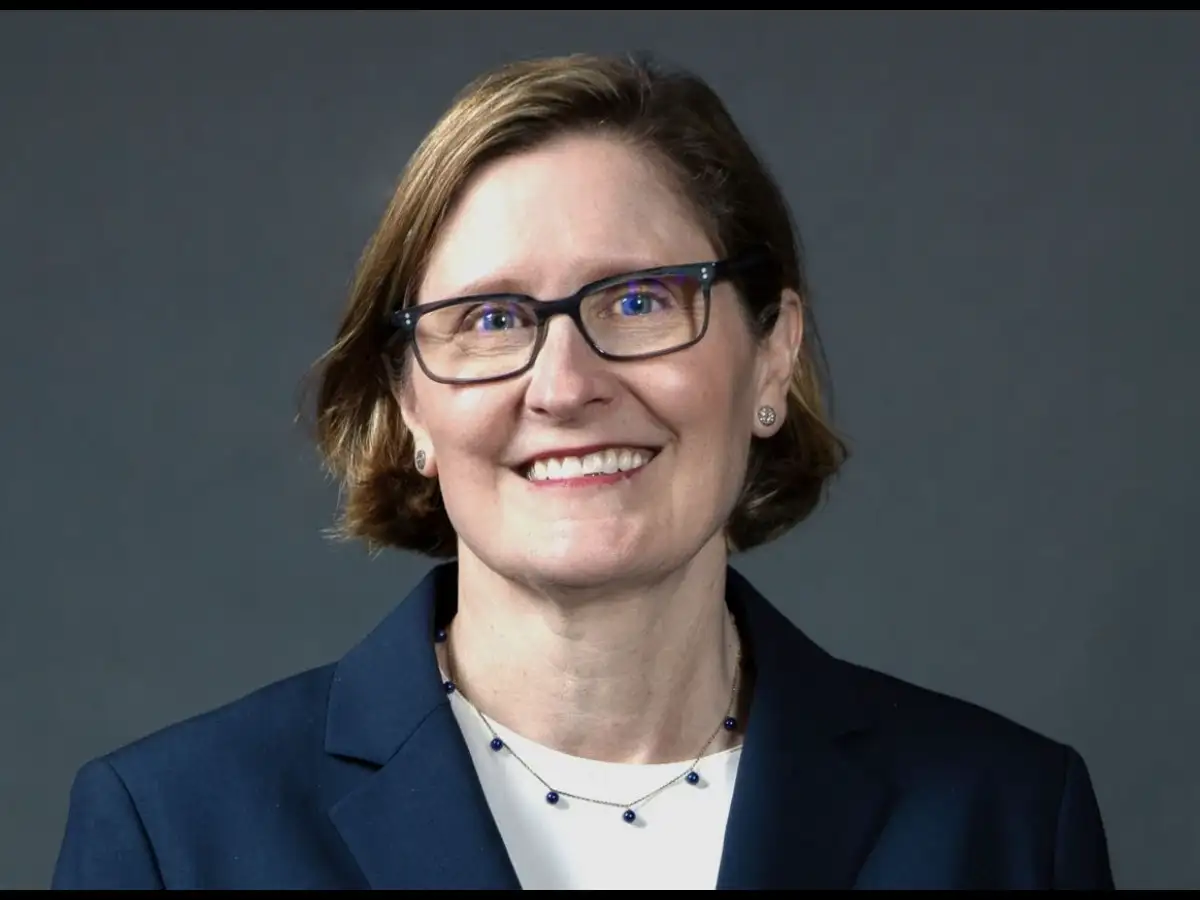


Philadelphia Federal Reserve President Anna Paulson expressed on Thursday that the Federal Reserve might need to implement further interest rate hikes to bring inflation back down to the central bank’s 2% target. Speaking at a regional Fed bank event, Paulson highlighted that inflation continues to be stubbornly high, with core inflation rates hovering between 2.5% and 3%.




Paulson emphasized that reducing inflation remains a primary goal for policymakers, stating, "Returning inflation to 2% is a top priority, and I will support the policy path that gets us there while carefully weighing risks to the labour market along the way." Her remarks mark the first detailed comments since the Fed’s recent decision to raise the benchmark overnight interest rate by a quarter percentage point to a range of 3.75% to 4.00%, a move aimed at curbing inflationary pressures.
As a voting member of the Federal Open Market Committee (FOMC), Paulson indicated that additional tightening in monetary policy could be necessary. She noted, "Looking ahead, if conditions evolve as I expect, some modest further tightening may be warranted" to achieve the Fed’s inflation objectives.
The Federal Reserve’s latest projections, released after last week’s meeting, indicate the possibility of one more rate increase before the end of 2026. However, futures markets suggest that investors anticipate a higher number of hikes in the near term, reflecting ongoing uncertainty about inflation trends and economic resilience.
Paulson pointed to several factors contributing to persistent inflation. Among them are tariffs imposed by the Trump administration, which have raised costs for imported goods, and elevated energy prices linked to geopolitical tensions, particularly the conflict involving the US, Israel, and Iran. These elements continue to apply upward pressure on prices.
She also mentioned strong investment in the technology sector as an inflationary factor. "Underlying inflation is running in a range of about 2.5 to 3%," Paulson said. "The best I can say about underlying inflation this year is that it hasn’t gotten worse." This suggests that while inflation has not escalated, it remains above target and requires ongoing attention.
Despite these challenges, Paulson described the US economy as relatively robust. She observed, "I see a resilient economy that is showing some signs of increased momentum." Consumption growth remains strong, supported by advances in artificial intelligence that are driving investment across technology industries. Moreover, she noted the labor market has remained stable, underscoring the economy’s ability to absorb shocks.
The Federal Reserve’s approach to monetary policy in this environment involves a delicate balance. Policymakers must weigh the need to tame inflation without triggering a labor market slowdown or broader economic weakness. Paulson’s remarks reflect this caution, as she underscored the importance of carefully monitoring economic developments while maintaining a firm stance against inflation.
Over the past several years, the Fed’s monetary policy has been highly responsive to inflationary trends. After a prolonged period of low inflation and accommodative rates, the central bank embarked on a series of rate increases to prevent the economy from overheating and to safeguard purchasing power. The persistence of inflation, driven by factors such as supply chain disruptions, global conflicts, and technological investment cycles, continues to challenge these efforts.
Paulson’s comments also shed light on the Fed’s broader strategy amid global uncertainties. The combination of trade tensions and geopolitical conflicts has created an unpredictable backdrop for economic growth and price stability. In this context, the Fed’s decisions will likely remain data-dependent, adjusting to evolving conditions while striving to uphold its dual mandate of price stability and maximum employment.
As the year progresses, markets and policymakers will closely watch inflation indicators and economic data releases to gauge the necessity and timing of any further rate increases. Paulson’s statement underscores the Fed’s readiness to act if inflation does not show sustained improvement, signaling continued vigilance in the face of ongoing inflation risks.
What's Your Reaction?
 Like
0
 Dislike
0
 Love
0
 Funny
0
 Wow
0
 Sad
0
 Angry
0
















Comments (0)