


S&P 500 Holds Steady Amid US-Iran Talks and Rising Oil Prices

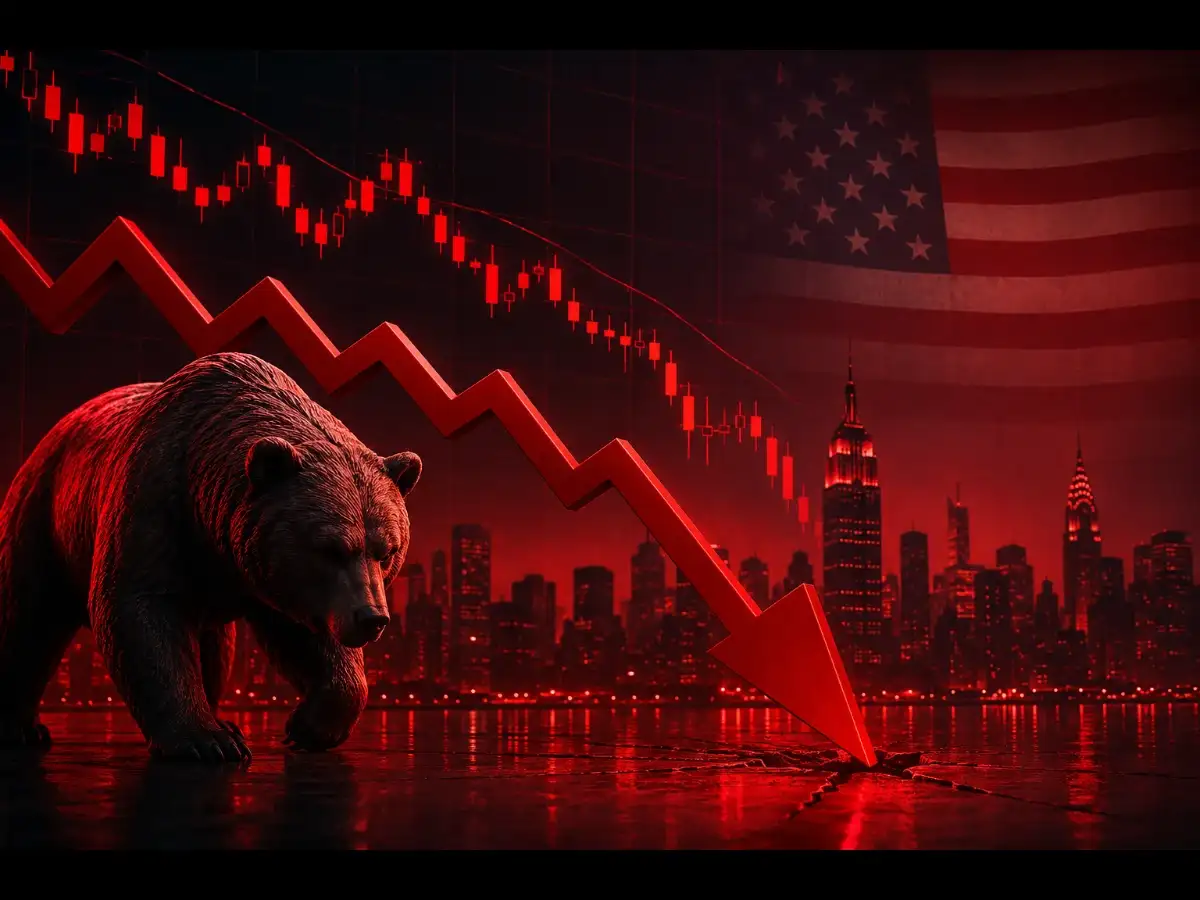


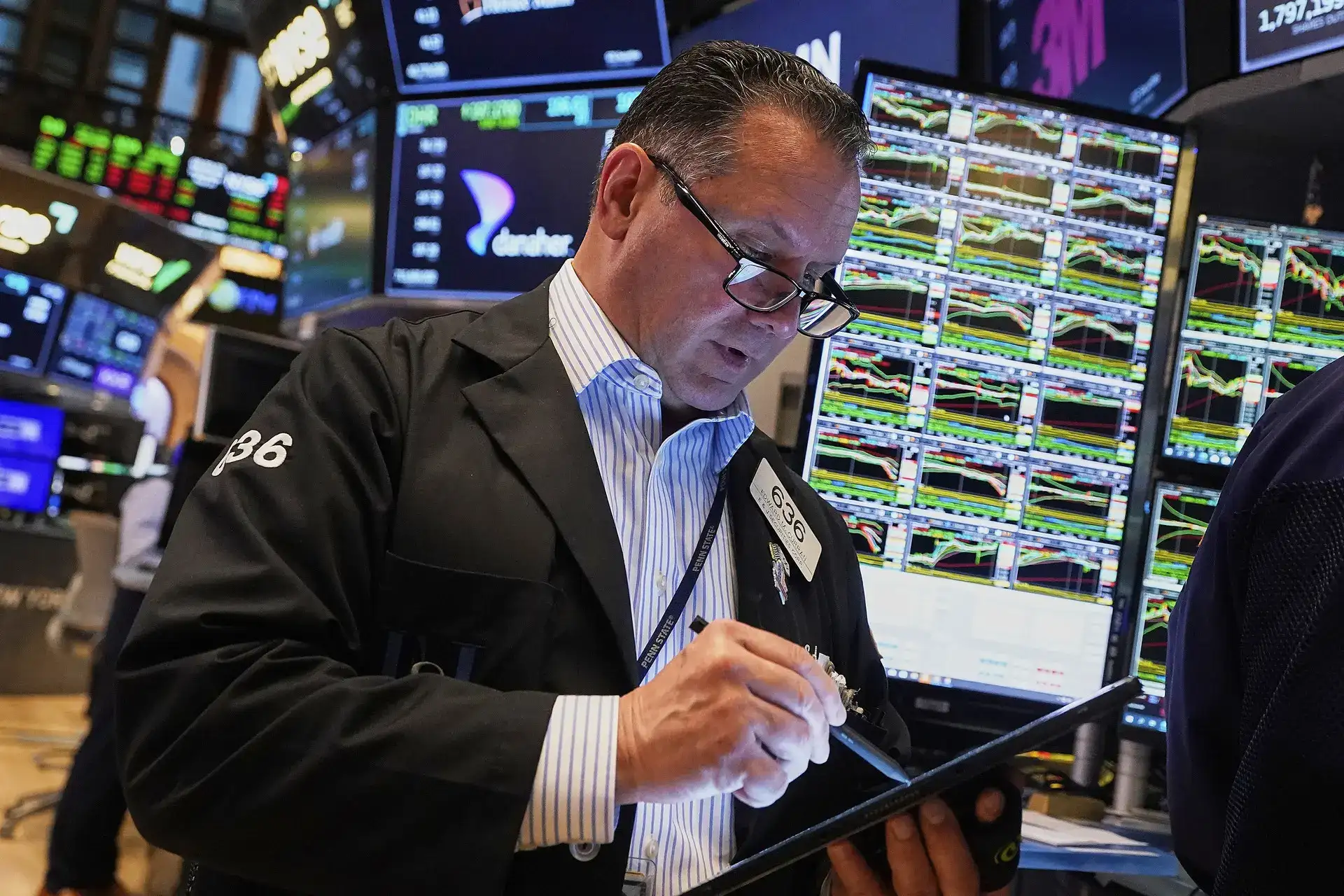
The S&P 500 ended Thursday's trading session almost unchanged, reflecting a market caught between geopolitical developments and corporate earnings impacts. While Microsoft shares dropped, gains in Meta Platforms helped offset losses, resulting in a nearly flat close for the benchmark index.




Investors responded with cautious optimism to reports that US and Iranian representatives are exploring a gradual approach to de-escalating conflict. According to Reuters, discussions include Iran potentially reopening the strategically vital Strait of Hormuz and the United States easing economic sanctions against Tehran. These talks helped the S&P 500 and Nasdaq recover some ground after earlier declines.
Despite the tentative progress in diplomacy, tensions in the Middle East remain high. Brent crude oil prices surged roughly 4 percent to $107 per barrel following a missile strike by Houthi forces on Saudi Arabian territory. This incident raised fresh concerns about disruptions to oil supply in a region critical to global energy markets.
Bill Northey, senior investment director at US Bank Wealth Management, remarked, "The market's main focus is on oil and inflation, and how these factors influence interest rates. The ripple effects extend across capital markets." Oil price volatility and inflationary pressures have become central drivers of investor sentiment in recent weeks.
Within the technology sector, major artificial intelligence-related stocks showed mixed results. Microsoft and Broadcom each declined by around 1 percent, while Advanced Micro Devices rose by 1 percent. Meta Platforms stood out with a 3.4 percent gain, buoyed by the recent launch of a compact handheld device designed to enhance its AI assistant capabilities.
Oracle experienced a 4.1 percent drop after reports surfaced that the company issued a "force majeure" notice linked to issues at a New Mexico data center. Blue Owl, the developer of the affected project, also saw its shares fall 5 percent.
On the fixed income side, Treasury yields climbed notably. The yield on the 30-year US government bond reached levels not seen since 2004, signaling rising long-term borrowing costs. This movement aligns with expectations of further Federal Reserve interest rate hikes amid strong economic data.
By the close, the S&P 500 was down 2.20 points, or 0.03 percent, ending at 7,703.83. The Nasdaq Composite inched up 1.76 points, 0.01 percent, to 26,937.79, while the Dow Jones Industrial Average declined 162.41 points, or 0.32 percent, settling at 51,349.18.
Market valuations remain under pressure, with the S&P 500 trading just below 19 times expected earnings this week—the lowest since early 2023, according to data from LSEG. Growth in earnings forecasts has been largely driven by AI-focused companies, reflecting their significant influence on market dynamics.
In international relations, US President Donald Trump hosted Chinese President Xi Jinping at the White House for a summit marked more by symbolism than substantive agreements. Key topics such as artificial intelligence, trade disputes, Taiwan, and the ongoing Middle East conflict were on the agenda but yielded limited breakthroughs.
Economic reports released earlier in the week highlighted robust business activity, reinforcing market expectations that the Federal Reserve could implement another interest rate increase. Following a 25-basis-point rise last week, traders now assign nearly a 70 percent probability to an additional hike next month, based on the CME FedWatch Tool.
New York Federal Reserve President John Williams, a voting member of the Federal Open Market Committee, stated on Thursday that further rate increases before year-end are plausible given current economic conditions.
In corporate news, MGM Resorts shares plummeted 11 percent after People Inc., led by media executive Barry Diller, withdrew its acquisition offer for the casino operator, adding to market volatility.
The interplay of geopolitical uncertainty, inflationary pressures, and central bank policy continues to shape the US financial markets. Investors remain attentive to developments in the Middle East, economic indicators, and corporate earnings, all of which collectively influence market trajectories.
What's Your Reaction?
 Like
0
 Dislike
0
 Love
0
 Funny
0
 Wow
0
 Sad
0
 Angry
0


















Comments (0)