


India to Release Key Data on Inflation, Forex Reserves, and Bank Deposits This Week




India’s economic agenda this week includes the release of important data points that will shed light on the country's inflation trends, foreign exchange reserves, and banking sector deposit growth. These indicators are closely watched by policymakers, investors, and market analysts as they provide crucial insights into the current state of the economy.




On November 12, the government is scheduled to publish retail inflation figures for October. This follows a steady rise observed in recent months. In September, retail inflation climbed to 5.54 percent, up from 4.83 percent in August, according to provisional data from the Ministry of Statistics and Programme Implementation (MoSPI). This increase marks the highest inflation rate recorded in 2026 so far, continuing a trend that began at 2.74 percent in January.
The primary factor driving the inflationary pressure has been rising food prices. Food inflation, as measured by the Consumer Food Price Index (CFPI), surged to 7.74 percent in September from 5.97 percent in August. This jump of 1.77 percentage points contributed significantly to the overall retail inflation increase, which rose by 71 basis points during the same period. The upcoming October figures will be closely examined to determine whether the upward pressure from food prices has persisted into the following month, impacting household expenditure.
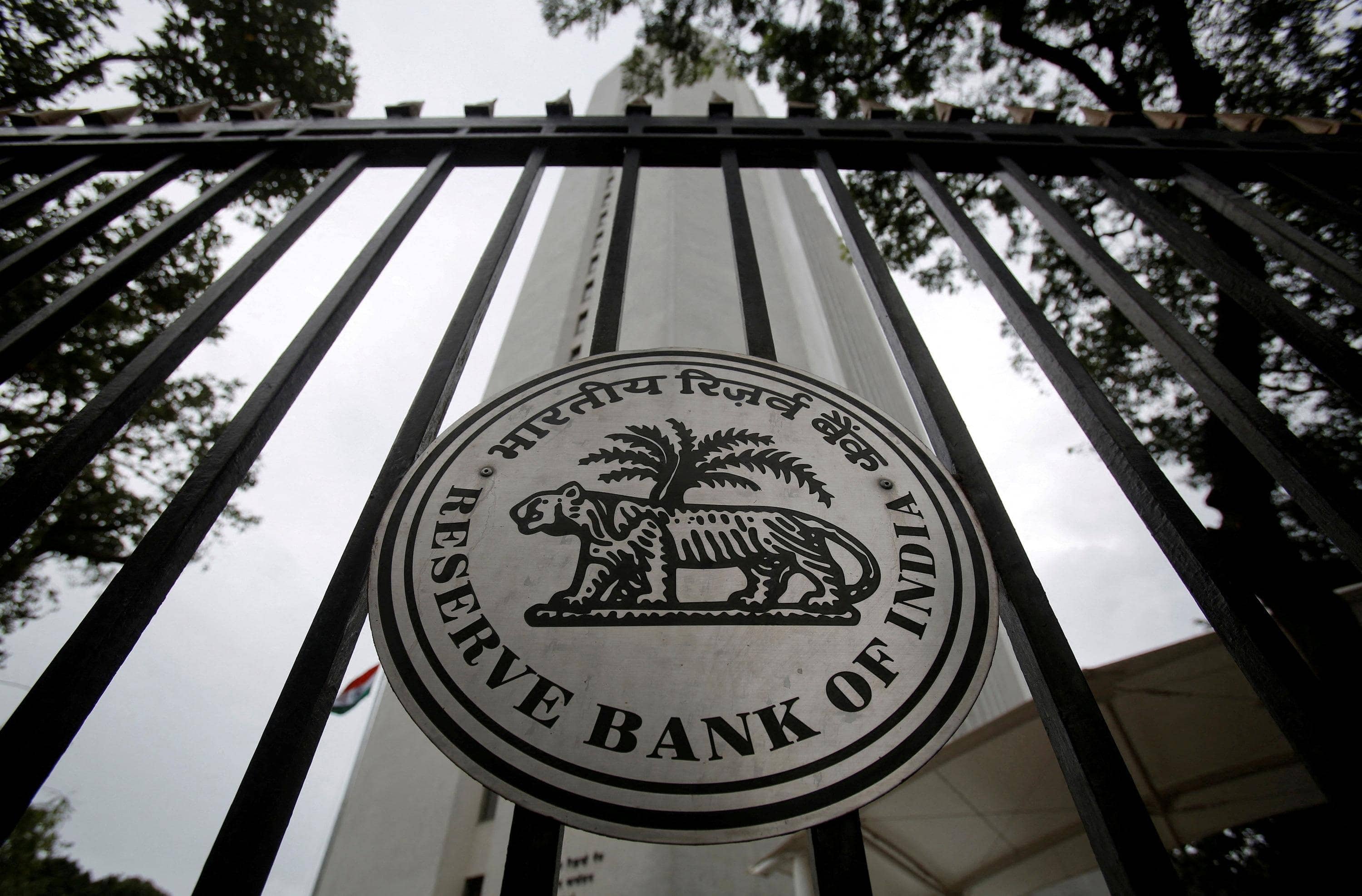
Following the inflation report, the Reserve Bank of India (RBI) will release foreign exchange reserves data on November 13 for the week ending November 6. The forex reserves have experienced a decline over the past few weeks. Latest data for the week ending October 30 showed a drop of $2.691 billion, bringing reserves down to $717.056 billion. This followed a previous decline of $1.269 billion in the week prior.
Earlier in the year, the reserves had peaked at a record $785.706 billion during the week ending September 4. That surge was largely supported by substantial foreign currency inflows through a special concessional swap window designed for deposits from the Indian diaspora. Banks raised an unprecedented $133 billion via these deposits, known as Foreign Currency Non-Resident (Bank) or FCNR(B) deposits.
However, since reaching this peak, the reserves have gradually decreased. Analysts attribute this decline to the use of the funds raised through these FCNR(B) deposits and the RBI’s intervention in the currency market, where it has sold dollars to stabilize the Indian rupee. The largest component of India’s forex reserves, foreign currency assets, fell by $2.088 billion to $591.118 billion in the week ended October 30, reflecting this downward trend.
Alongside the forex data, the RBI will also reveal the latest figures on deposit growth within the banking sector on November 13. Deposit growth is a key indicator of liquidity and consumer confidence in the financial system. Recent data showed a slowdown in deposit growth to 16.7 percent in the fortnight ending October 16, down from 17.8 percent two weeks earlier.
Historically, deposit growth in India has averaged 14.71 percent from 1998 through 2026. The rate peaked at 29.3 percent in January 2008 during the global financial crisis and hit a low of 2.7 percent in December 2017 amid tighter liquidity conditions. The current pace of growth suggests a moderately healthy flow of funds into banks but indicates some easing compared to earlier in the year.
These upcoming data releases are critical for understanding India’s economic momentum. Retail inflation affects consumer purchasing power and monetary policy decisions by the RBI. The state of foreign exchange reserves signals the country’s ability to manage currency fluctuations and external shocks. Meanwhile, deposit growth reflects the banking sector’s health and the general saving behavior of households and businesses.
As India continues to navigate through global economic uncertainties and domestic challenges, these figures will provide valuable benchmarks. They will assist in shaping fiscal and monetary policies aimed at sustaining economic stability and growth. Observers will watch closely to see if inflationary pressures ease, how the forex reserves trend in the face of currency market interventions, and whether deposit growth maintains its recent momentum.
What's Your Reaction?
 Like
0
 Dislike
0
 Love
0
 Funny
0
 Wow
0
 Sad
0
 Angry
0















Comments (0)