


Inherited gold without bills? What Supreme Court order means in tax matters

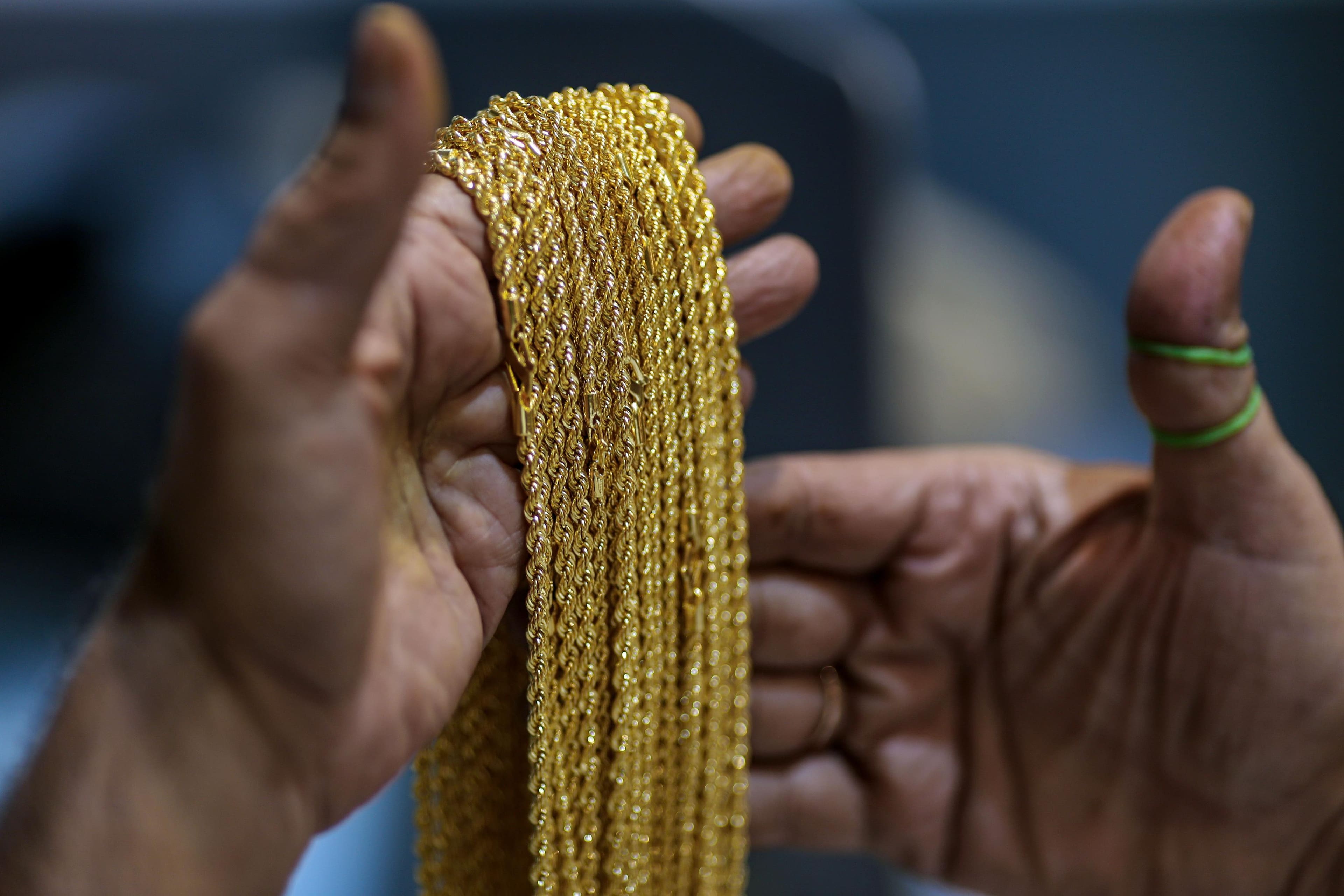


Families holding inherited gold jewellery may have to explain the source if questioned by tax authorities, even when the quantity is within the prescribed limits of 500 grams for a married woman, 250 grams for an unmarried woman and 100 grams for a male family member. The Supreme Court has clarified that these limits protect jewellery from seizure during an Income Tax search but do not automatically establish its legitimate ownership or source.




In an order dated November 2, in the case of State of Bihar vs Phulpari Kumari, the Supreme Court set aside a Patna High Court order that had quashed criminal proceedings against a woman accused of possessing assets disproportionate to her known sources of income.
The High Court had relied on the Central Board of Direct Taxes (CBDT) guidelines on permissible gold holdings. However, the Supreme Court held that merely producing the circulars allowing possession of gold up to specified limits does not amount to accounting for the assets.
The ruling does not mean that ordinary households must produce purchase bills for every piece of ancestral jewellery. However, it highlights the importance of being able to establish how significant gold holdings were acquired.
What do the gold holding limits actually mean?
CBDT Instruction No. 1916, issued in 1994, provides that Income Tax department officials should ordinarily not seize gold jewellery up to the following limits during a search:
Also Read
- 500 grams for a married woman
- 250 grams for an unmarried woman
- 100 grams for a male family member
These are administrative safeguards against seizure, not tax exemptions or automatic proof of ownership.
“Merely falling within these weight limits does not amount to accounting for the possession of the jewellery. These limits are administrative safeguards against immediate seizure and are not deemed proof of a legitimate source,” said Pranshu G, partner at Ashok Pranshu & Co law firm.
Sachin Bhandawat, partner at Khaitan & Co, said inheritance is a recognised and legitimate source of acquiring gold. The absence of original purchase invoices does not, by itself, make inherited jewellery unexplained or unlawful.
However, authorities may seek an explanation about its source if questions arise during a lawful inquiry.
How can families establish ownership without purchase bills?
Families that have inherited jewellery over several generations may not have original invoices. In such cases, a combination of documents and other supporting evidence can help establish its history.
Documents that may be useful include:
- Wills, probate papers and succession certificates
- Gift deeds and family settlement or partition documents
- Wedding gift lists and records of jewellery received during marriage
- Earlier Income Tax disclosures, wealth tax returns and balance sheets
- Bank locker records and insurance schedules
- Previous jewellery valuation reports
Wedding photographs showing jewellery being worn at family functions can also help establish that it existed in the family at an earlier point.
“Wedding photographs and contemporaneous gift lists can corroborate that particular jewellery existed in the family at the relevant time. Wills, probate papers, succession documents and family settlements more directly establish how ownership was transmitted,” said Pranshu.
A valuation certificate can establish the jewellery's weight, purity, description and value on a particular date. However, it cannot independently establish when the jewellery was acquired or who originally purchased it.
Bhandawat said authorities generally examine the overall body of evidence rather than insist on one document as conclusive proof. Family circumstances, customs and traditions may also be considered.
What should households do now?
The ruling does not introduce any new documentation requirements or restrictions on gold ownership for ordinary households. It reiterates the distinction between protection against seizure and the obligation to explain the source of an asset when questioned.
However, rising gold prices make record-keeping more important. Jewellery accumulated over several generations can now represent a substantial asset, even if it was acquired when gold was considerably cheaper.
Families should maintain a dated, item-wise inventory of significant jewellery holdings, take photographs and preserve available purchase, inheritance and gift records. They should also retain valuation certificates, insurance documents and bank locker records.
Records should be updated whenever jewellery is inherited, gifted, remodelled, sold or divided among family members.
“Families should maintain clear records identifying the ownership and devolution of significant jewellery items within the family,” said Bhandawat.
The absence of old purchase bills is not, by itself, a reason to panic. What matters is whether the family can provide a credible and consistent explanation of how the jewellery came into its possession.
What's Your Reaction?
 Like
0
 Dislike
0
 Love
0
 Funny
0
 Wow
0
 Sad
0
 Angry
0

















Comments (0)