


RBI Extends Board Supersession of Abhyudaya Co-operative Bank Until 2026

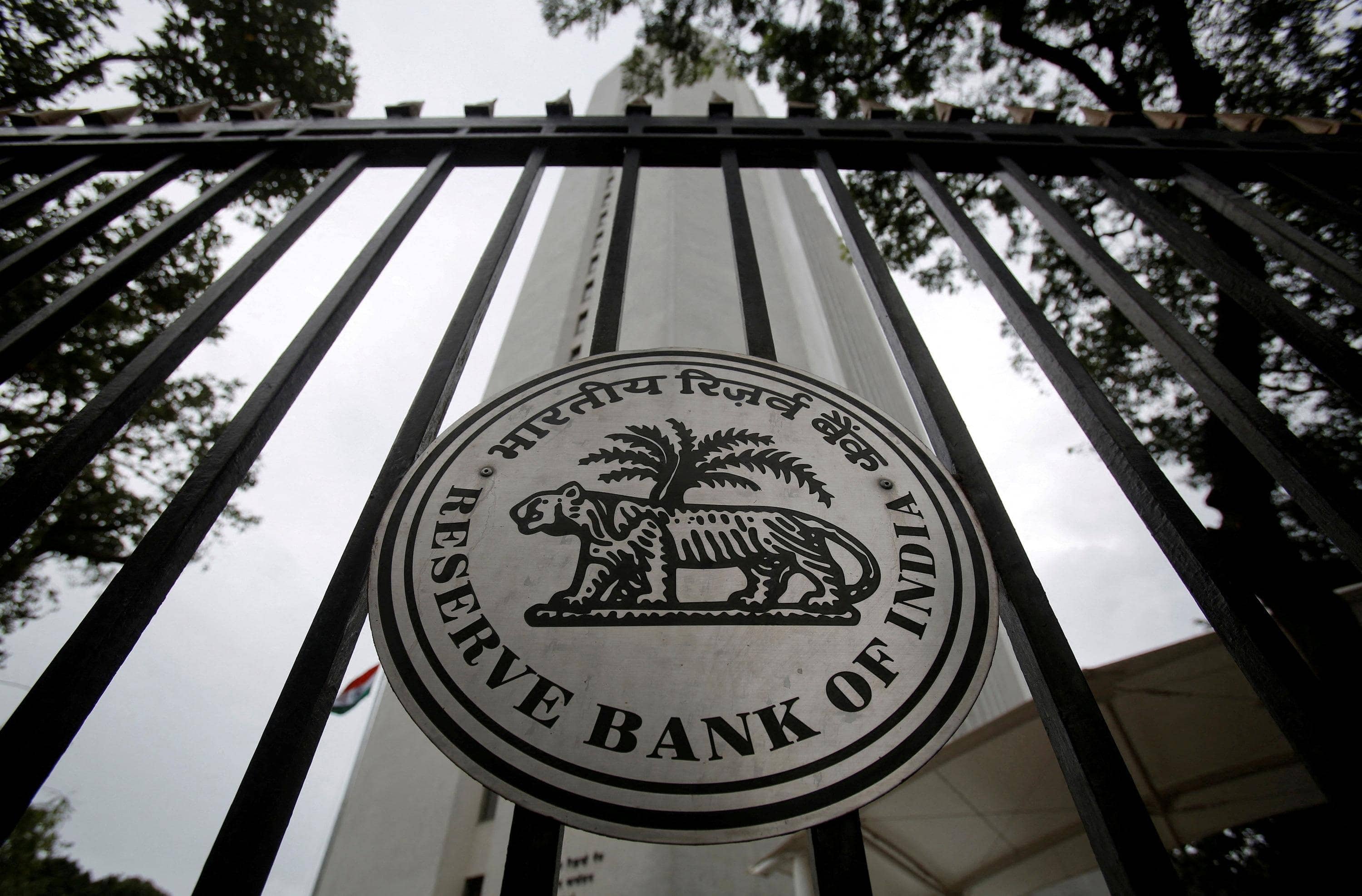


The Reserve Bank of India (RBI) has announced an extension of the supersession of the board of directors at Abhyudaya Co-operative Bank, a Mumbai-based multi-state cooperative bank. The extension will remain effective until November 24, 2026. This decision was made citing the need to protect public interest, following ongoing governance issues within the bank.




Initially, RBI had intervened on November 24, 2023, by superseding the bank’s board for a one-year period due to significant concerns related to poor governance standards. After first extending the supersession in November 2024 and again in November 2025, the central bank has now decided to prolong this measure for yet another year. The RBI stated that after a thorough review, it remains necessary to continue overseeing the bank’s administration to ensure stability.
Despite the board’s supersession, the RBI had clarified at the outset that no restrictions were imposed on the bank’s normal business operations. Abhyudaya Co-operative Bank continues to function under the supervision of an appointed administrator. Currently, Satya Prakash Pathak serves as the bank’s administrator and will maintain this role for the extended period. He is supported by a Committee of Advisors consisting of Venkatesh Hegde, Devendra Kumar, and Suhas Gokhale.
Abhyudaya Co-operative Bank was founded in 1964 and gained scheduled bank status from the RBI in September 1988. It was officially designated as a multi-state cooperative bank on January 11, 2007, under the Central Registrar in New Delhi. The bank operates primarily in three Indian states: Maharashtra, Gujarat, and Karnataka.
Financial data for the fiscal year ending March 31, 2026, reflect slight growth in the bank’s deposits, which rose marginally to ₹9,366.62 crore from ₹9,327.36 crore the previous year. However, loan disbursements declined from ₹4,865.31 crore to ₹4,323.24 crore during the same period.
The bank’s profitability nearly doubled in FY26, with net profits reaching ₹10.11 crore compared to ₹5.22 crore in the prior year. Asset quality also showed improvement, as gross non-performing assets (GNPAs) declined from ₹949.01 crore to ₹842.42 crore, while net NPAs dropped from ₹253.25 crore to ₹182.16 crore. The provision coverage ratio increased to 78.2 percent, up from 73.1 percent, indicating stronger financial buffers against potential losses.
On its official website, Abhyudaya Co-operative Bank described FY26 as a year marked by meaningful progress in its turnaround efforts. The bank highlighted its substantial increase in profitability, continued reduction in non-performing assets, enhanced provisioning levels, and notable improvements in net worth and capital adequacy. These factors collectively signal that the bank remains a going concern despite the ongoing regulatory interventions.
The lender emphasized its commitment to uphold high standards of governance, ensure compliance with regulatory requirements, deliver excellent customer service, and maintain financial discipline. The bank stated it aims to generate long-term value for its members and stakeholders as it moves forward.
Co-operative banks in India often face governance and operational challenges due to their localized structure and regulatory complexities. The RBI’s supervisory actions, such as board supersessions, are measures designed to stabilize institutions while protecting depositors and preserving confidence in the banking system. Abhyudaya’s case illustrates the central bank’s active role in monitoring and intervening when governance standards fall short.
As the cooperative banking sector continues to evolve, regulatory oversight remains critical for safeguarding public interest and ensuring these banks can contribute effectively to financial inclusion and regional economic development.
What's Your Reaction?
 Like
0
 Dislike
0
 Love
0
 Funny
0
 Wow
0
 Sad
0
 Angry
0


















Comments (0)