


Inside India’s Largest Diwali Shopping Sprees: Gold, Sweets, and Essentials




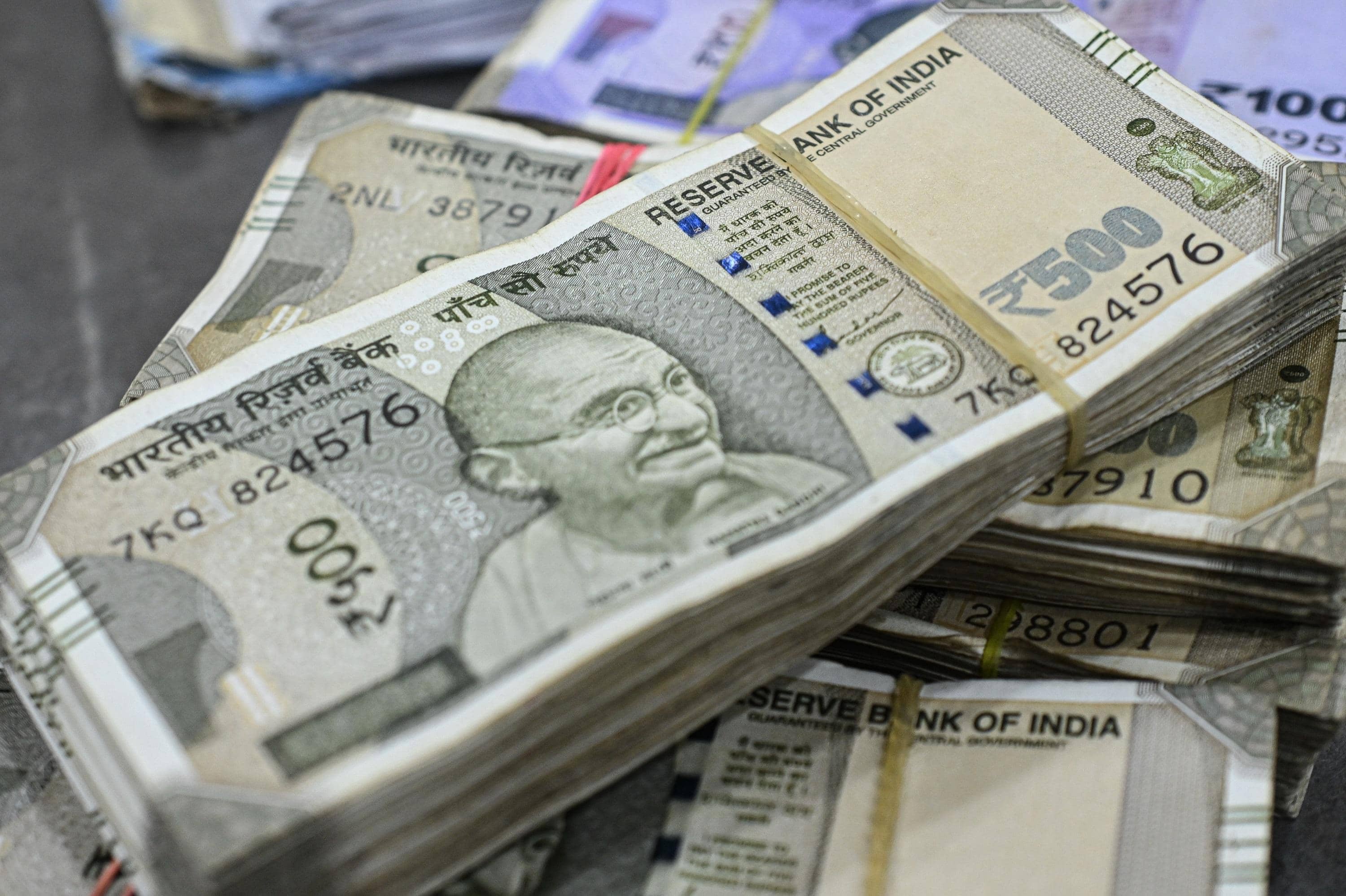
Diwali shopping in India this year reflected a diverse mix of traditional and modern consumer choices. According to a recent post-Diwali trends report from quick-commerce platform Instamart, shoppers did not limit themselves to customary purchases but combined precious metals, festive treats, and everyday household products in single transactions.




Gold remained a preferred item for many during the festival of lights, with one Mumbai buyer spending an impressive ₹1.11 lakh on gold coins featuring designs of Lakshmi, Ganesh, and lotus motifs. However, what stood out was the blending of luxury and practicality. For instance, a consumer from Gurgaon placed an order worth ₹30,855 that included a 1-gram Lakshmi gold coin alongside a children’s lunch box. Similarly, in Bengaluru, a shopper spent ₹32,298 on a basket containing a 2-gram Lakshmi gold coin and olive oil, illustrating how traditional wealth purchases are now paired with everyday needs.
Other notable orders included a Delhi shopper who combined a 1-gram floral gold coin with LED curtain lights in a ₹29,907 purchase, and a Chennai consumer who mixed a 1-gram Lakshmi gold coin with a 50-gram silver bar, totaling ₹26,770. These trends indicate that Diwali shopping is evolving beyond segmented spending on investments, gifts, or household items, with consumers increasingly opting for all-encompassing shopping carts.
In terms of design preferences, floral and rose motifs dominated gold coin purchases, accounting for nearly two-thirds of all gold coins sold via Instamart. Lakshmi and Ganesh designs followed closely behind. Silver coins, on the other hand, saw a stronger preference for traditional Lakshmi-Ganesh patterns, which represented 73 percent of silver coin sales.
The rush to buy gold and silver began promptly after midnight on November 6. The first gold coin order was recorded at 12:00:30 am from Hyderabad for a floral 24-karat coin, with the first silver coin order placed just seconds later from Bengaluru. Peak buying activity occurred later in the day at 6:38 pm, showing that many shoppers made last-minute purchases well into the evening.
Sweet treats remained an integral part of the festival. Kaju Katli was the top-selling mithai, followed by Motichoor Laddoo and Besan Laddoo. Other favorites included Mysore Pak, Soan Papdi, Peda, and Gulab Jamun. Demand for party supplies surged, with orders for party-related items jumping 162 percent year-over-year and snack purchases increasing by 42 percent.
Interestingly, Diet Coke emerged as the most popular non-grocery purchase on Diwali eve, highlighting changing beverage preferences during celebrations. Additionally, sales of assorted dry-fruit gift packs more than doubled, and dinner sets became the most sought-after gift item, demonstrating a growing trend toward gifting practical items alongside traditional presents.
Festive spending extended beyond major metropolitan centers. Cities such as Raipur, Madurai, Guwahati, Thrissur, and Kollam also showed significant demand on the platform. Some shoppers took the opportunity to upgrade their homes, including a Noida buyer who spent over ₹25,000 on an air purifier and a cordless vacuum cleaner. Other categories like clothing, jewelry, hair accessories, electronics, and kitchenware saw strong year-over-year growth.
The busiest shopping hour was between 11 am and noon on November 8, with 11:18 am recorded as the peak minute for transactions. This activity underscores the concentrated nature of festive shopping as consumers prepare for the celebrations.
Highlighting some of the largest individual baskets, a Mumbai user led with a ₹1.11 lakh purchase focused primarily on gold coins with traditional motifs. A Hyderabad shopper combined gold and silver in a ₹52,215 order featuring a 2-gram flower-design gold coin and a 100-gram silver bar. Meanwhile, consumers from Bengaluru, Gurgaon, Delhi, Chennai, and Noida diversified their carts to include essentials, gifts, and home upgrades alongside precious metals.
Overall, the data from Instamart presents a nuanced picture of Diwali shopping habits that blend cultural traditions with contemporary consumer needs. The combination of gold, sweets, gifting, and household products in single orders reflects a more integrated approach to festive preparation, illustrating how Indian shoppers balance investment, celebration, and daily life during this important holiday season.
What's Your Reaction?
 Like
0
 Dislike
0
 Love
0
 Funny
0
 Wow
0
 Sad
0
 Angry
0











Comments (0)