


India's Oilmeal Exports Drop 28.5% Amid Rising Competition from Brazil, Argentina

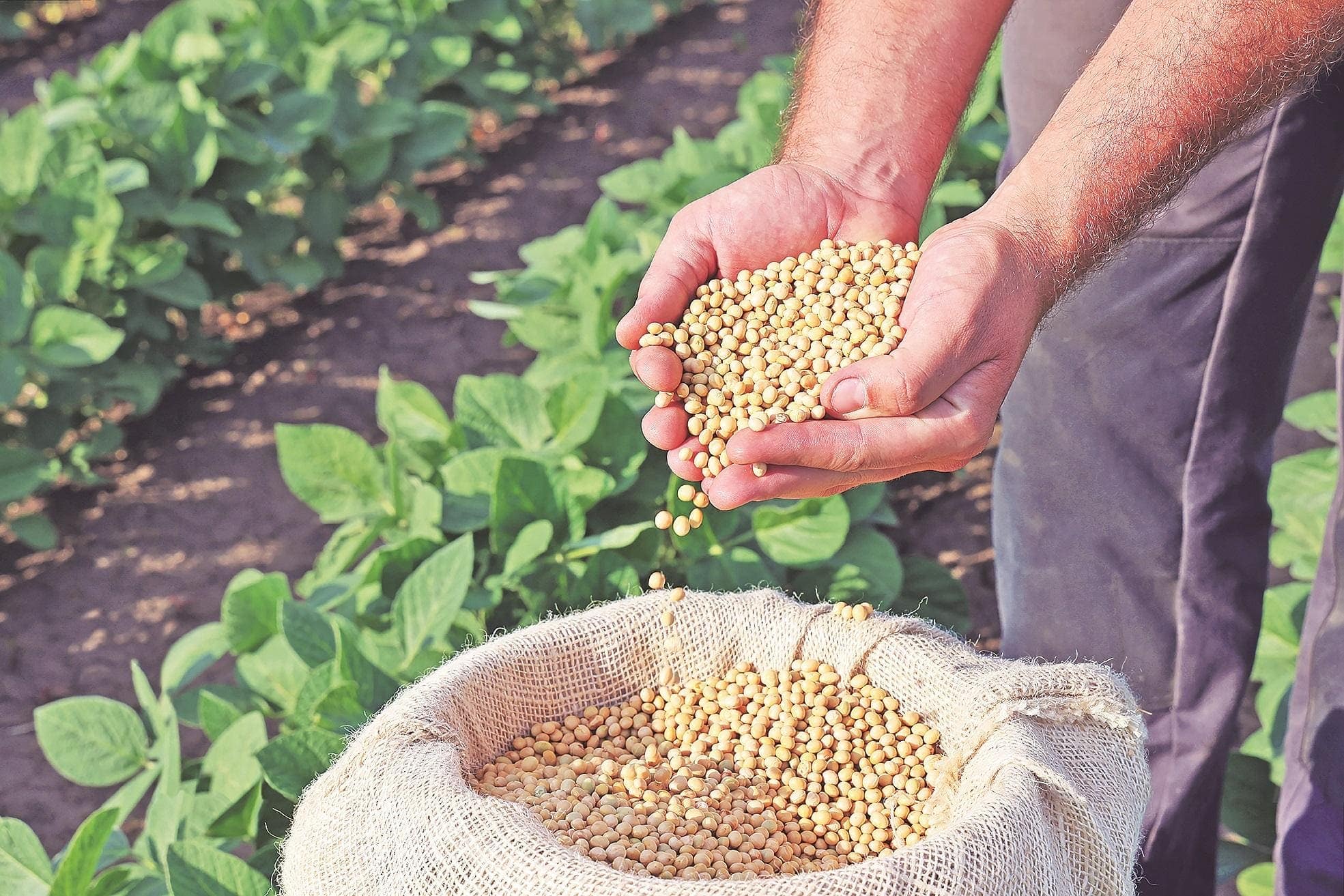


India's exports of oilmeals, primarily used as animal feed, experienced a significant decline of 28.51 percent during the April to August period of the current fiscal year. According to the Solvent Extractors' Association of India (SEA), shipments dropped to 12.82 lakh tonnes compared to 17.93 lakh tonnes in the same period last year.




The slump is predominantly attributed to a sharp decrease in soybean meal exports, which plunged by 73 percent, falling from 7.57 lakh tonnes to just 2.05 lakh tonnes over the same timeframe. Overall, India’s oilmeal exports for the 2025-26 fiscal year amounted to 37.68 lakh tonnes.
The SEA highlighted that Indian soybean meal faced considerable pricing challenges in global markets during August 2026. While international benchmarks hovered near USD 445 per tonne, Indian soybean meal was trading at approximately USD 622 per tonne, putting it at a competitive disadvantage.
This price disparity has allowed South American producers, especially Argentina and Brazil, to secure a larger share of the international oilmeal market. The competitive pricing of their products continues to attract buyers who are sensitive to cost, thereby reducing demand for Indian oilmeals abroad.
Domestically, strong demand from livestock and poultry feed manufacturers has further tightened supplies available for export. Additionally, ongoing shipping disruptions in the Red Sea region have compounded logistical challenges, restricting India’s ability to meet international orders efficiently.
Oilmeals are a critical component in animal nutrition, providing essential protein in feed formulations. India has traditionally been a major supplier in this sector, but shifting global market dynamics and regional competition are reshaping trade flows.
Brazil and Argentina have emerged as dominant exporters of soybean meal, leveraging competitive production costs and favorable export logistics. Their expanding role in the global oilmeal market reflects broader trends in agricultural commodity trading, where supply chain efficiencies and pricing play pivotal roles in determining market shares.
For Indian exporters, maintaining competitiveness requires navigating higher domestic costs and improving supply chain resilience. The current export downturn signals the need for strategic adjustments, including exploring new markets and enhancing cost efficiencies.
Industry experts note that while domestic consumption of oilmeals continues to grow due to rising demand in the livestock sector, balancing export volumes remains a challenge amid global competition. The export performance in the coming months will be a key indicator of how India adapts to these pressures.
As the fiscal year progresses, stakeholders are closely monitoring price trends and international demand patterns. The ability of Indian producers to align their pricing and logistics with global standards will be crucial in regaining lost market segments and sustaining export growth.
What's Your Reaction?
 Like
0
 Dislike
0
 Love
0
 Funny
0
 Wow
0
 Sad
0
 Angry
0

















Comments (0)