


Indian Coal Exchange Seeks Licence to Launch Physical Coal Trading Platform

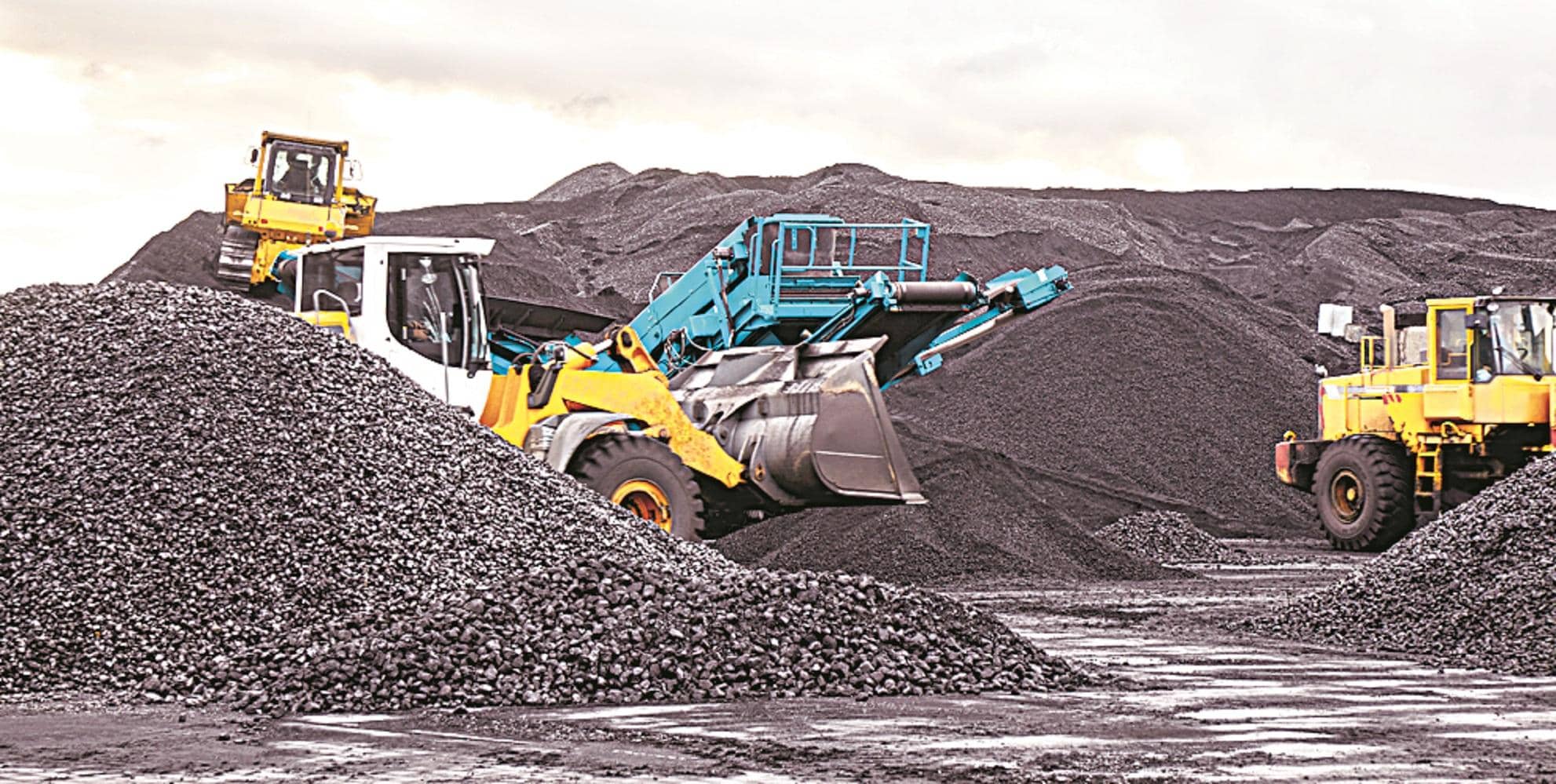


Indian Energy Exchange (IEX), a leading electricity trading platform, has taken a significant step towards entering the coal trading sector. Its fully owned subsidiary, Indian Coal Exchange Limited, has submitted an application to the Coal Controller Organisation (CCO) to secure a licence for operating a coal exchange.




Established on June 1, 2026, Indian Coal Exchange Limited was formed with an authorised share capital of Rs 100 crore. This move marks IEX's strategic expansion into coal markets, aiming to create a structured, transparent, and technology-driven venue for coal trading. The exchange plans to function as a physical delivery-based trading platform, aligning with the Coal Exchange Rules, 2026, recently introduced by the Ministry of Coal.
Once the licence is granted, the platform will connect coal buyers and sellers on a unified marketplace. Trades will be facilitated at designated delivery points to ensure smooth and reliable transactions. This setup is expected to promote efficient price discovery and broaden market access, benefiting participants across the coal supply chain.
The Indian Coal Exchange will complement IEX’s existing electricity market and the Indian Gas Exchange (IGX), expanding the group's portfolio across the energy sector. By covering electricity, gas, and now coal, the group aims to provide integrated and comprehensive energy trading solutions.
The regulatory framework enabling this development stems from the Mines and Minerals (Development and Regulation) Amendment Act, 2025. This legislation introduced the concept of Mineral Exchanges and authorized the central government to foster transparent mineral trading, including in coal and its derivatives. Following this, the Ministry of Coal issued the Coal Exchange Rules on June 4, 2026, setting the guidelines for establishing coal trading platforms.
The Coal Controller Organisation has been designated as the regulatory authority responsible for registering and overseeing coal exchanges. Licences issued will have a validity of 25 years, providing long-term stability for exchange operators and participants alike.
These exchanges will enable both captive and commercial coal miners, as well as consumers, to engage in delivery-based contracts. This represents a fundamental shift from the traditional coal marketing model, which was primarily a “one-to-many” sales approach. The new “many-to-many” trading platform aims to foster competition, transparency, and better price signals in the coal market.
The government anticipates that coal exchanges will lead to improved market efficiency and transparent price formation. They will also offer coal producers, including commercial and captive miners, easier access to a broader pool of buyers, enhancing liquidity and market reach.
As coal continues to play a key role in India’s energy mix, creating well-regulated marketplaces for trading is crucial. These exchanges can help reduce inefficiencies and provide stakeholders with clearer price benchmarks, which are essential for planning and investment decisions.
Indian Coal Exchange’s application to the CCO marks an important milestone in operationalizing these new regulatory frameworks. If approved, it will be among the first platforms to bring organized coal trading under government oversight, potentially setting a precedent for other market participants.
With energy markets evolving rapidly, the entry of Indian Coal Exchange is a notable development. It reflects broader trends of digitization and formalization in commodity trading, aiming to create more open, fair, and accessible markets for all participants.
What's Your Reaction?
 Like
0
 Dislike
0
 Love
0
 Funny
0
 Wow
0
 Sad
0
 Angry
0
















Comments (0)