


Draft GST return changes aim to cut tax notices, ease ITC claims for firms

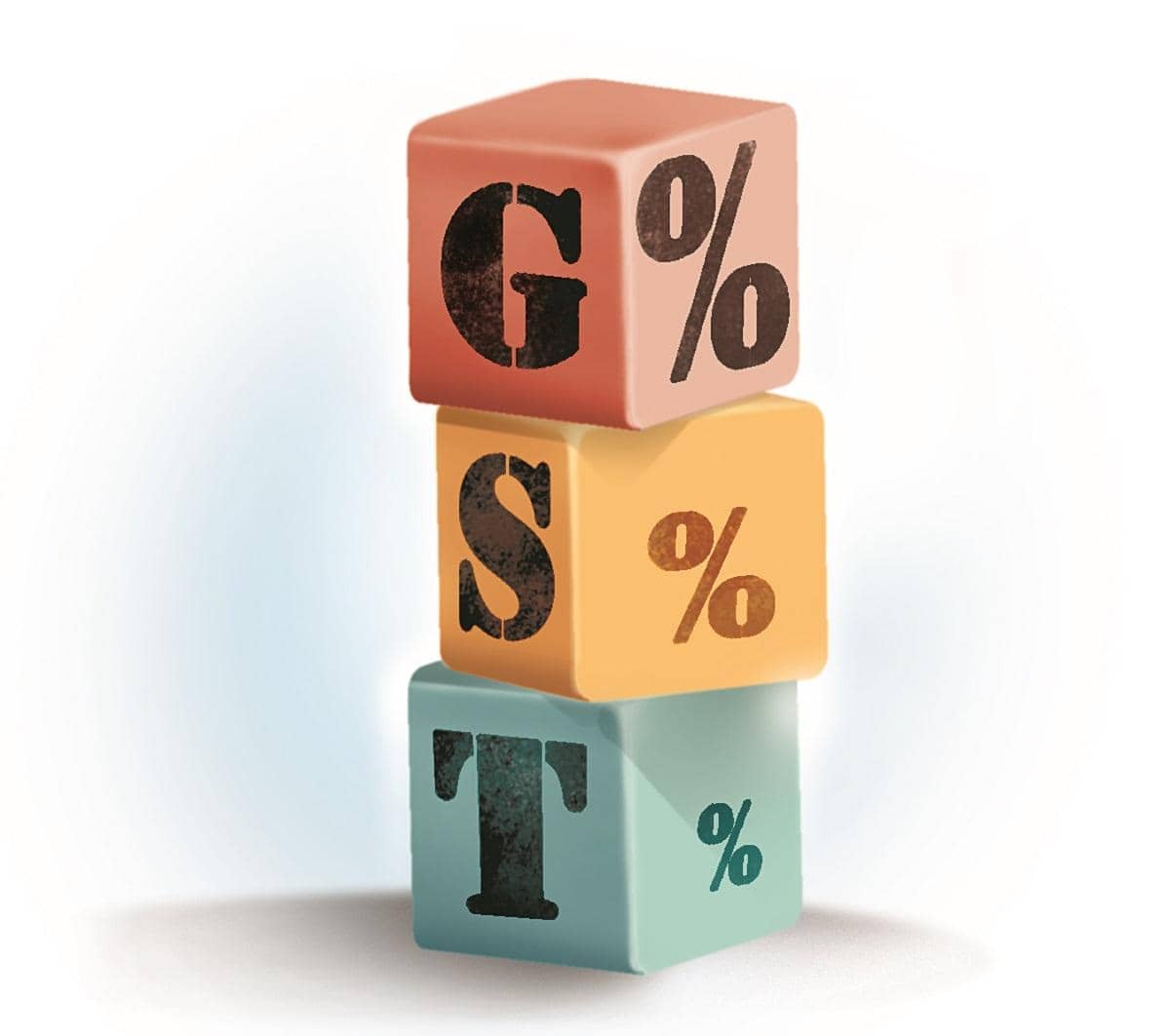


Businesses could see fewer goods and services tax (GST) notices and greater certainty over input tax credit (ITC) claims from April 2027, with the government proposing changes to the return-filing system to reduce mismatches in tax reporting.




The proposed changes, originally recommended by the GST Council, will require businesses to correct errors in the returns in which they originally reported sales, instead of manually changing tax figures in the summary return. Discrepancies in purchase-related tax credit will also have to be addressed through designated online mechanisms.
Tax experts said the move could make compliance more predictable, reduce avoidable disputes and help businesses claim eligible tax credit with greater certainty. However, its success will depend on how smoothly the new system is implemented and integrated with businesses’ accounting software.
The GST Council approved the proposed changes at its 57th meeting on October 8, 2026. The government has invited public comments on the draft rules and forms until November 30 and plans to implement the changes from April 1, 2027. The proposal will also bring several facilities already available on the GST portal under the formal GST rules, making their use part of the prescribed return-filing process.
Under the existing system, businesses report their sales and the GST charged on them in a form called GSTR-1. They then file GSTR-3B, a summary of the tax they owe and the credit they want to claim for GST paid on purchases. Both are filed every month, although eligible small businesses can file them quarterly. If a business misses a sales invoice or reports incorrect details in GSTR-1, it can use another form, GSTR-1A, to add the missing invoice or correct the information before filing GSTR-3B.
Also Read
For purchases, businesses receive an automatically prepared statement called GSTR-2B. It shows the purchase invoices reported by their suppliers and helps them check how much tax credit they may be eligible to claim. Businesses use this information while filing GSTR-3B. GSTR-2B is prepared by the GST portal and does not have to be filed separately by businesses.
Under the proposed rules, businesses will no longer be able to simply change the tax figures appearing in GSTR-3B if they find a mistake. For example, if a company has missed reporting a sale, it will have to add the invoice through GSTR-1 or GSTR-1A instead of directly changing the tax payable in GSTR-3B.
Businesses will also have to use the Invoice Management System (IMS), an online facility that allows buyers to accept, reject or keep pending invoices and credit notes uploaded by suppliers. This is intended to ensure that input tax credit (ITC) claimed by businesses is backed by the invoices reported by their suppliers. Other adjustments, such as reversal and subsequent reclaim of tax credit, will be recorded through separate online statements.
The government has proposed giving these facilities formal recognition under the Central GST Rules. These include IMS, the electronic statement for recording ITC reversals and reclaims, and the statement relating to tax paid under the reverse charge mechanism. Under the reverse charge mechanism, the buyer, rather than the seller, is responsible for paying GST.
The draft rules also propose changes to the handling of credit notes, which sellers issue to reduce an earlier bill, for instance, when goods are returned or discounts are given. Under the proposed system, buyers will get a longer period to decide whether to accept or reject these documents on IMS. Suppliers will also be able to link credit notes to specific invoices, making it easier for buyers to verify the transactions.
What's Your Reaction?
 Like
0
 Dislike
0
 Love
0
 Funny
0
 Wow
0
 Sad
0
 Angry
0


















Comments (0)