


Indian Rupee Slides Near 96 Against US Dollar Amid Rising Crude and Yields

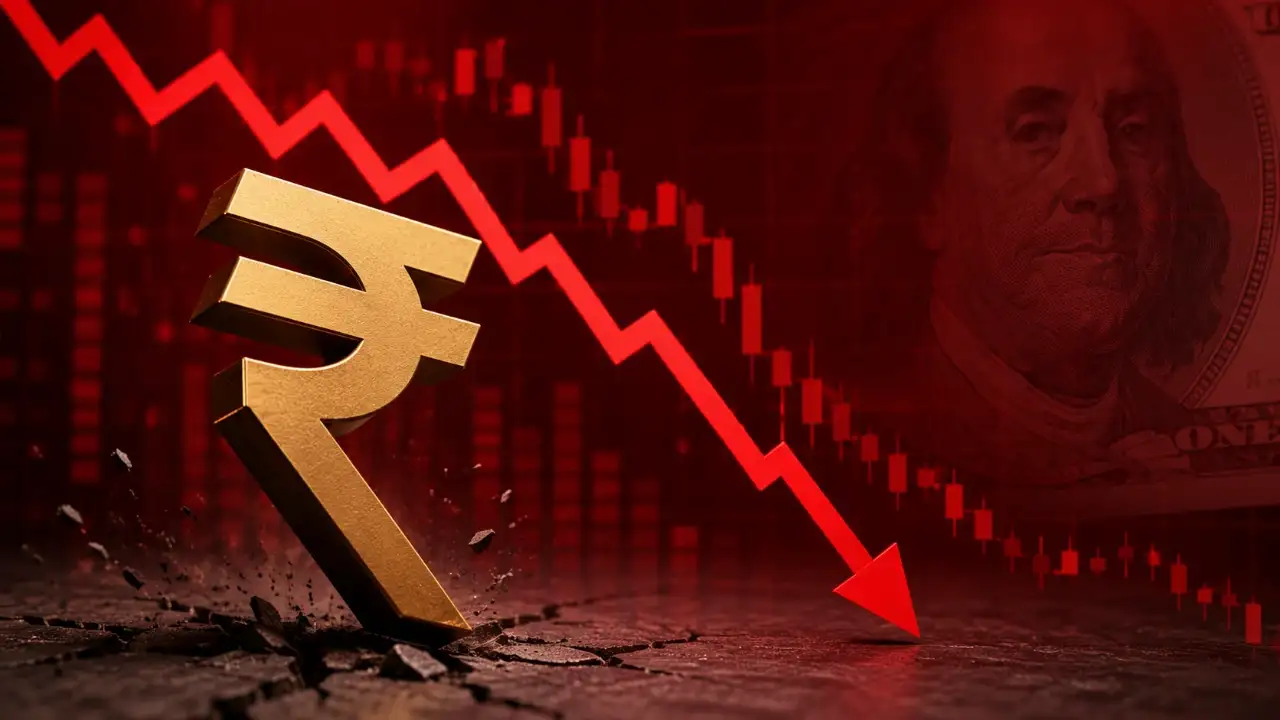


The Indian rupee edged closer to the 96 mark against the US dollar on Monday, trading at 95.9825, marking a decline of approximately 0.2 percent. This depreciation occurred despite efforts by the Reserve Bank of India (RBI) to stabilize the currency. The rupee’s weakness stems from multiple factors including surging crude oil prices, rising US bond yields, and a significant downturn in Indian equity markets.




Monday’s trading session reflected a challenging environment for the rupee as the currency touched an intra-day low of 95.99, the weakest level seen in over a week. Offshore markets also saw the rupee slide to 96.34 in the non-deliverable forward (NDF) segment, signaling continued pressure on the domestic currency. Forex consultant KN Dey noted that this offshore movement weighed on the spot market in Mumbai at the start of the day.
Market participants believe that RBI intervention helped prevent the rupee from breaching the psychologically important 96 level. The central bank’s actions aimed to curb excessive volatility amid a broader backdrop of global financial uncertainty. The rupee’s decline is occurring even as Indian expatriates have shown strong participation in government-led foreign exchange inflow schemes, which provide some support to the currency.
Underlying the rupee’s troubles are several global and domestic economic factors. Brent crude oil prices climbed sharply, nearing $108 per barrel on Monday. This upward trend in oil prices is a major concern for India, which depends heavily on imported crude, sourcing nearly 90 percent of its requirements from abroad. The price surge comes amid geopolitical tensions and supply worries, especially after the United States rejected Iran’s conditional offer to reopen the Strait of Hormuz, a crucial passage for Middle Eastern oil shipments.
Complicating the outlook, US President Donald Trump indicated that any potential agreement with Iran is unlikely before the US midterm elections in November, prolonging uncertainty in oil markets. Higher crude costs tend to increase India’s import bill and raise inflationary pressures, which in turn weigh on the rupee.
Adding to the currency headwinds, US Treasury yields have risen, attracting investment flows away from emerging market currencies like the rupee. Higher bond yields in the US can lead to capital outflows from India, putting further downward pressure on the rupee’s value. Economists quoted by the Economic Times suggest that the rupee may continue to weaken against the dollar during the current financial year, challenging previous expectations of a currency recovery.
Indian equity markets also faced a sharp sell-off on Monday, with key indices on Dalal Street falling to their lowest levels for the fiscal year 2026-27. This equity downturn further dampened investor sentiment and contributed to the rupee’s decline. The convergence of weak stocks, elevated oil prices, and rising US yields has created a difficult environment for India’s currency and financial markets.
Monday also marked the settlement day for September foreign exchange contracts, which increased trading volumes and added to market activity. The call for a three-day bank strike was postponed, allowing normal banking operations to continue and supporting liquidity in the forex market.
Forward premium rates on the rupee have risen in response to these pressures. Premiums stand at about 4 percent for three-month contracts, 3.8 percent for six months, and remain around 3.5 percent for one-year contracts. These premiums indicate market expectations of continued rupee depreciation over the medium term.
Investors and analysts will closely monitor developments in crude oil prices, US monetary policy, and India’s economic indicators in the coming months. The rupee’s trajectory is likely to remain sensitive to global financial trends and domestic economic data amid ongoing geopolitical uncertainties.
What's Your Reaction?
 Like
0
 Dislike
0
 Love
0
 Funny
0
 Wow
0
 Sad
0
 Angry
0


















Comments (0)