


Routine Eye Exams Advised for Ozempic Users to Monitor Vision Risk

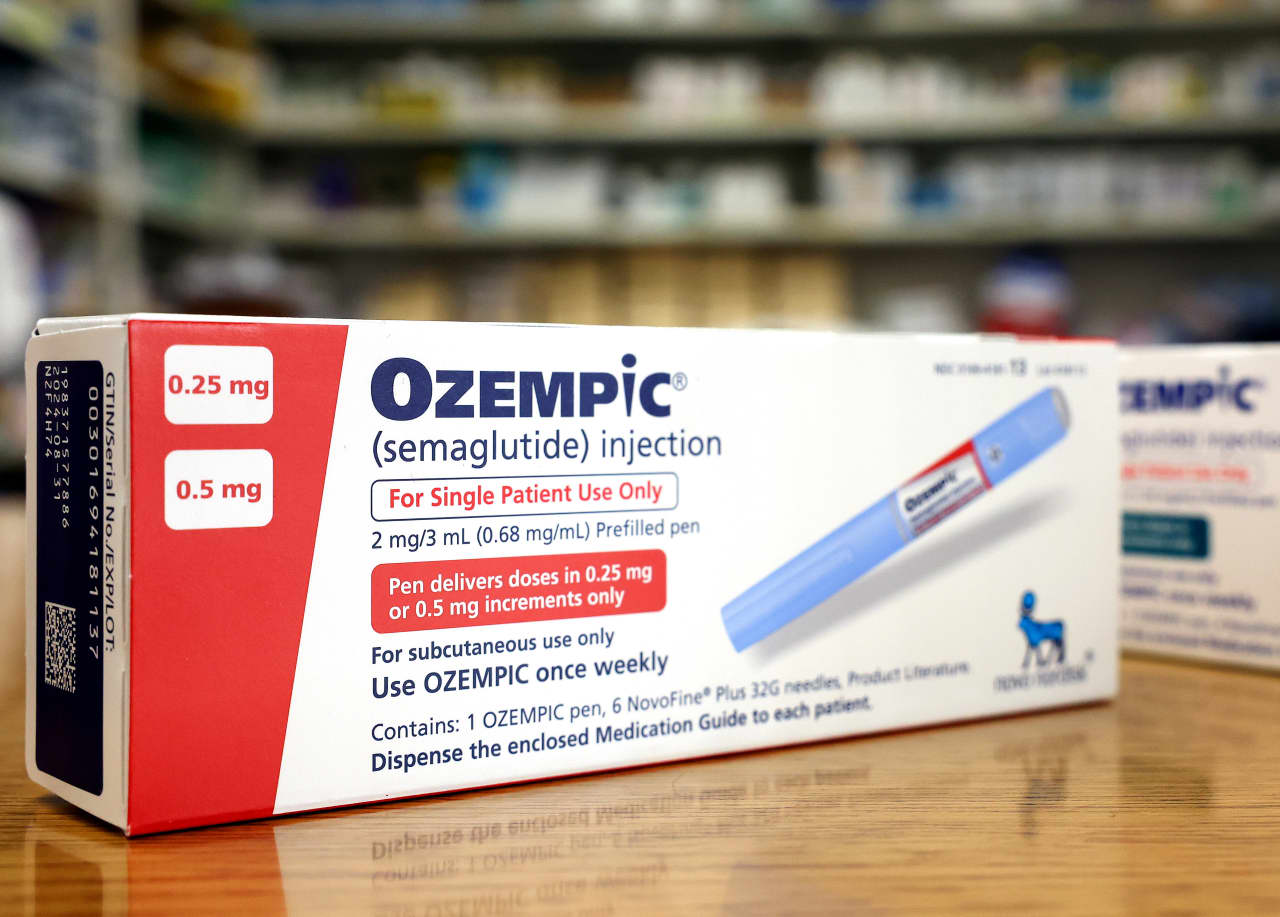


People taking Ozempic, a medication commonly prescribed for type 2 diabetes and weight management, may want to consider regular eye examinations to assess their risk for potential vision problems. Emerging research indicates that drugs in the GLP-1 (glucagon-like peptide-1) receptor agonist class, which includes Ozempic, could be linked to an increased risk of a rare eye disease that leads to partial or full vision loss.




Ozempic and other GLP-1 drugs have gained popularity in recent years for their effectiveness in controlling blood sugar levels and assisting with weight reduction. These medications work by mimicking the effects of the GLP-1 hormone, which helps regulate insulin secretion and appetite. While these benefits have been significant for many patients, it is important to monitor any potential side effects, especially those affecting vision.
The specific eye condition that has raised concern is a rare disease that can cause damage to the retina, resulting in impaired vision or blindness if left undetected and untreated. Although cases appear to be uncommon, the severity of the condition warrants caution. Early identification through routine eye exams can allow healthcare providers to intervene promptly, potentially preventing serious outcomes.
Regular eye exams are a standard recommendation for individuals with diabetes, as they are already at greater risk for various eye complications such as diabetic retinopathy. Adding GLP-1 receptor agonists like Ozempic to the treatment regimen may increase the importance of these check-ups. Ophthalmologists typically perform detailed retinal evaluations to spot any early signs of disease progression.
Patients currently using Ozempic or similar medications are advised to discuss the timing and frequency of eye exams with their healthcare provider. This is especially relevant for those who notice changes in vision, such as blurriness, spots, or darkness in their field of view. Prompt reporting of such symptoms can lead to quicker diagnosis and management.
Healthcare professionals emphasize that this information should not discourage patients from taking prescribed medications but highlight the need for comprehensive care. Monitoring side effects and maintaining regular health screenings remain essential components of managing chronic conditions like diabetes.
In addition to eye exams, patients are encouraged to maintain good control of their blood sugar levels, blood pressure, and cholesterol, as these factors also affect eye health. Lifestyle measures such as a balanced diet, regular exercise, and avoiding smoking contribute positively to reducing the risk of vision problems.
Ongoing research continues to explore the full range of effects associated with GLP-1 receptor agonists. As new data becomes available, medical guidelines may evolve to further refine recommendations for patient monitoring and safety.
For now, routine eye exams remain a straightforward and effective tool to help patients and healthcare providers identify early signs of eye disease. This proactive approach can safeguard vision and improve quality of life for those using medications like Ozempic.
If you or someone you know is taking Ozempic, consider scheduling an eye exam and discussing any concerns with your healthcare provider. Awareness and early detection are key steps in preventing serious vision issues.
What's Your Reaction?
 Like
0
 Dislike
0
 Love
0
 Funny
0
 Wow
0
 Sad
0
 Angry
0

















Comments (0)