


PHDCCI Urges Zero Customs Duty on LNG, Naphtha in 2027-28 Budget

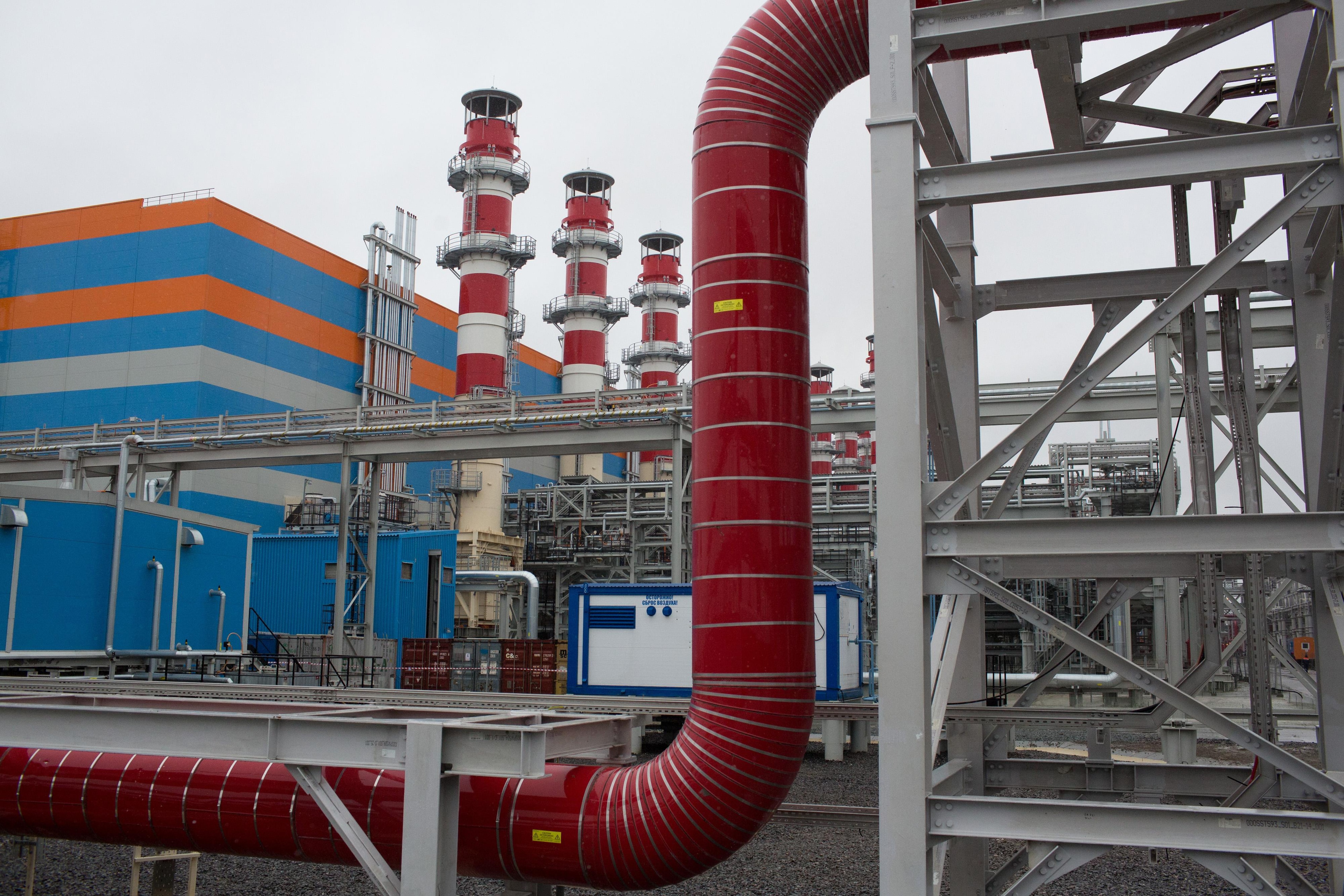


The PHD Chamber of Commerce and Industry (PHDCCI) has submitted a set of pre-Budget proposals for the fiscal year 2027-28, highlighting the need to eliminate basic customs duty (BCD) on liquefied natural gas (LNG), naphtha, and certain heavy petroleum feedstocks. The industry body has also suggested lowering duties on petroleum coke, which plays a vital role in aluminium production.




These recommendations were presented during a meeting with officials from the Tax Research Unit under the Department of Revenue, Ministry of Finance, on Tuesday. The chamber emphasized that reducing import duties on these critical inputs would help lower the manufacturing cost structure and enhance India's competitiveness in global markets.
Anil Gupta, president of PHDCCI, stated, "Strengthening India’s manufacturing competitiveness requires a comprehensive approach to reducing the cost of critical industrial inputs. Energy and feedstock costs have a cascading impact across multiple sectors, influencing production economics, investment decisions and the competitiveness of downstream industries." This underscores how pivotal cost-effective energy and raw materials are to various sectors.
One of the key proposals is to remove the existing 2.5 percent BCD on LNG imports. India currently imports about half of its LNG requirements, which serve as an essential fuel source for fertiliser production, power generation, city gas distribution, steel manufacturing, refineries, and petrochemicals. The chamber argues that eliminating the duty would make LNG more affordable for industries with high energy demands and encourage its broader adoption in industrial processes and transportation.
In addition, PHDCCI has requested a zero-duty regime for imports of heavy petroleum feedstocks such as fuel oil, vacuum residue, slurry, and vacuum gas oil (VGO) when used for refinery processing. Access to these alternative feedstocks would provide Indian refiners with operational flexibility, especially amid challenges caused by geopolitical tensions affecting heavy crude oil supply. These feedstocks are also utilized in power generation, textile manufacturing, fertiliser production, cement, shipping, tyre and rubber industries, petrochemicals, and road infrastructure development.
Naphtha, a vital petrochemical feedstock used to produce olefins, aromatics, and other intermediates for plastics, packaging, automotive parts, synthetic materials, and chemical products, is another focus area. The chamber has recommended removing the 2.5 percent BCD currently levied on naphtha imports. According to data from the Department of Chemicals and Petrochemicals, naphtha consumption in the petrochemical sector has grown from 11.339 million tonnes in 2020-21 to an estimated 11.457 million tonnes in 2024-25, indicating rising demand.
For the aluminium sector, PHDCCI suggests reducing BCD on calcined petroleum coke (CPC), which is used in anode manufacturing, from 7.5 percent to 2.5 percent. A similar reduction is proposed for raw petroleum coke (RPC), lowering the duty from 10 percent to 2.5 percent. These materials represent about 10-15 percent of the input cost in aluminium production. The chamber pointed out that current duties and import restrictions increase costs for domestic manufacturers.
The chamber also urged the government to maintain the existing customs duty framework on steel scrap beyond March 2028. Steel scrap is a crucial raw material for electric arc furnace and induction furnace steelmaking, supplementing domestic supply and supporting secondary steel production. A stable duty policy would help steel producers secure raw materials more predictably, benefiting sectors such as construction, infrastructure, automotive, engineering, and capital goods manufacturing.
Ranjeet Mehta, secretary general and CEO of PHDCCI, remarked, "An attuned customs duty framework focused on essential industrial inputs can generate benefits beyond individual sectors by improving cost competitiveness across interconnected manufacturing value chains. Such measures can also support investment in domestic processing capacities and strengthen supply-chain resilience." This reflects the broader impact that tariff policies on raw materials can have on the manufacturing ecosystem and supply chain stability.
India’s manufacturing sector is a critical component of the nation’s economic growth strategy, contributing significantly to GDP and employment. Ensuring competitive input costs through customs duty rationalization aligns with government objectives like 'Make in India' and boosting exports. The PHDCCI’s proposals aim to support these goals by addressing cost bottlenecks in key raw materials and energy sources. As India continues its transition towards more self-reliant industrial growth, such policy inputs play a vital role in shaping the fiscal framework.
What's Your Reaction?
 Like
0
 Dislike
0
 Love
0
 Funny
0
 Wow
0
 Sad
0
 Angry
0

















Comments (0)