


India Approves High-Voltage Power Corridor to Boost Clean Energy Transmission

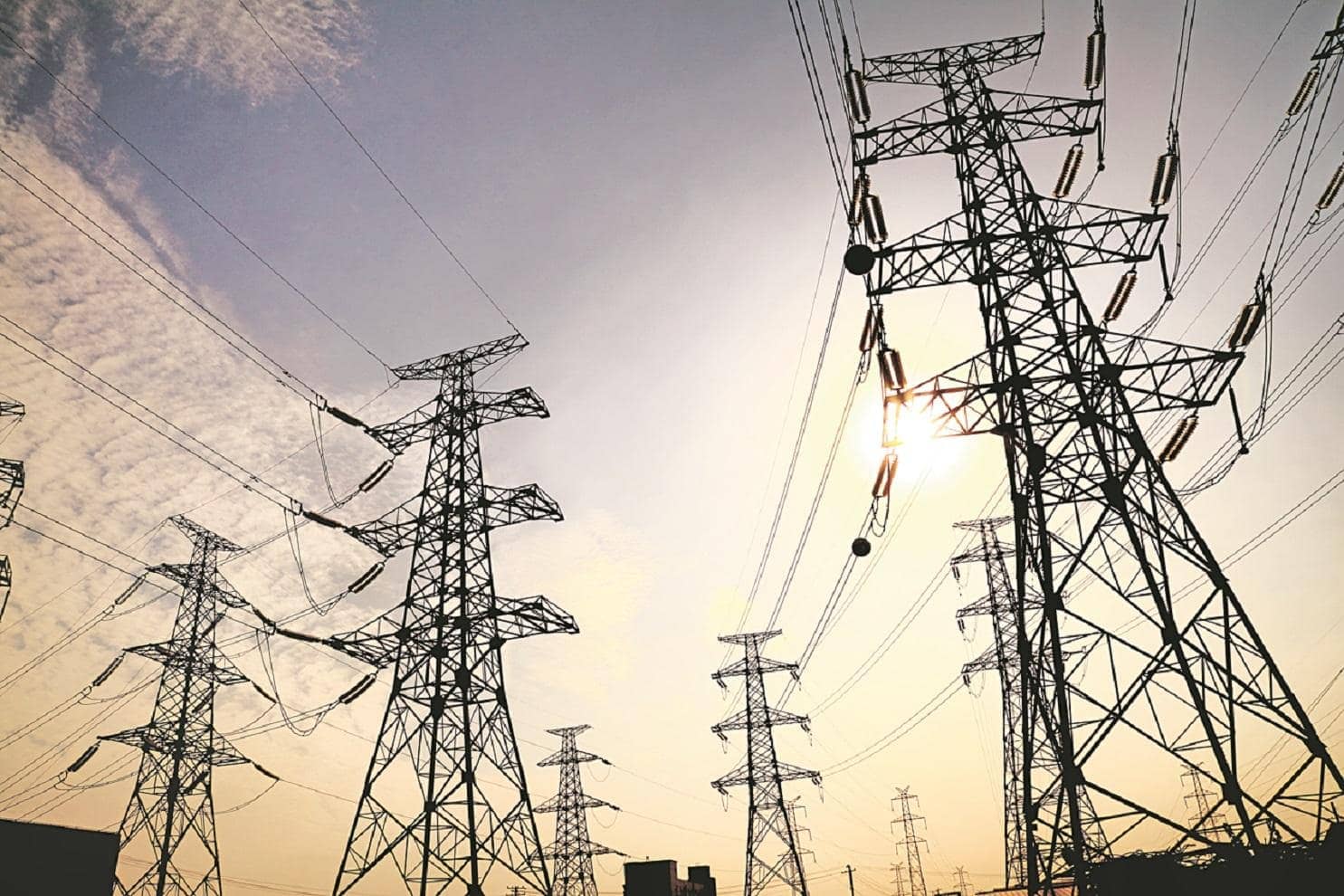


India has given the green light to an ambitious power transmission project designed to support the country's expanding clean energy sector. The plan involves constructing a high-capacity power corridor capable of carrying electricity from western renewable energy hubs to the rapidly growing industrial and urban areas in the east.




The new transmission system will operate at 1,150 kilovolts (kV), surpassing the current 765-kV network and marking the highest voltage power grid in India. This upgrade will enable the movement of significantly larger volumes of electricity across the country, improving efficiency and reducing the need for additional transmission lines and land acquisition.
The project has been approved by India's national transmission panel, with official minutes of the meeting released on Tuesday confirming the decision. The estimated cost stands at ₹68,800 crore, approximately $7.34 billion, and the construction timeline is projected to span six years.
India is currently advancing its renewable energy ambitions at an unprecedented pace. The country aims to reach 500 gigawatts (GW) of non-fossil fuel power capacity by 2030, up from over 300 GW today. This rapid expansion includes substantial investments in solar and wind power, alongside battery storage technologies that enhance grid stability and energy availability.
One of the key advantages of the 1,150-kV transmission system is its capacity to transport more power using fewer lines. This translates to less land required for transmission corridors and lower transmission losses, which improves the overall efficiency of the power grid. By contrast, the existing 765-kV lines require more extensive corridors and land acquisition to carry comparable electricity volumes.
The project’s initial phase will establish connections between the eastern states of Chhattisgarh, Odisha, and West Bengal. It will also integrate with a 6,000-megawatt high-voltage transmission system that delivers renewable power from Rajasthan's Bhadla solar park, one of India’s largest solar energy complexes.
This development is critical as western states like Rajasthan continue to expand renewable energy capacity, while eastern states experience rising electricity demand due to industrial growth and urbanization. Efficient transmission infrastructure is essential to balance these dynamics, ensuring clean energy generated in one region can reliably meet consumption needs elsewhere.
The approval of this high-voltage corridor reflects India's ongoing commitment to modernizing its power grid infrastructure to accommodate renewable energy sources. It aligns with broader efforts to reduce dependence on fossil fuels, lower greenhouse gas emissions, and promote sustainable energy access nationwide.
Expanding transmission capacity is a vital component of India's energy transition strategy. As renewable installations increase, the power grid must evolve to handle the variability and distribution of clean energy resources. Projects like the 1,150-kV corridor are expected to play a pivotal role in achieving the country’s ambitious climate and energy goals.
With the construction phase planned to span six years, stakeholders across the energy sector will be closely monitoring progress. Successful implementation could set a precedent for further investments in ultra-high-voltage transmission lines, potentially transforming India’s power sector infrastructure for decades to come.
What's Your Reaction?
 Like
0
 Dislike
0
 Love
0
 Funny
0
 Wow
0
 Sad
0
 Angry
0















Comments (0)