


Wall Street Recovers as Chip Stocks Rebound After AI Selloff

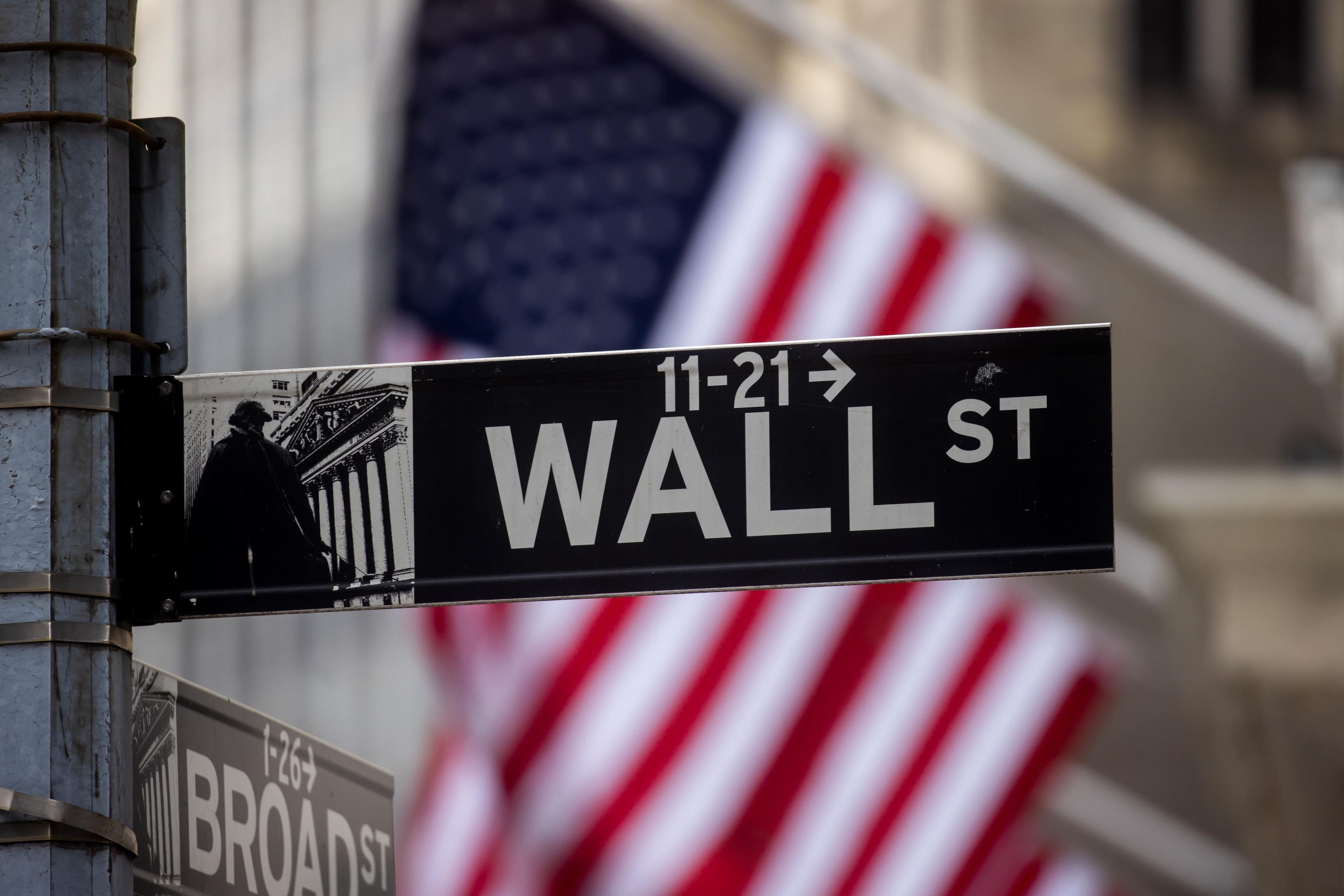


Wall Street experienced a notable recovery on Friday as major technology and semiconductor stocks led gains after a steep selloff earlier in the week. The rebound came following fears that recent Democratic victories in US elections might bring stricter regulations targeting the artificial intelligence (AI) sector, which had previously caused significant market losses.




The S&P 500 index climbed 0.31 percent while the Nasdaq Composite surged 1.1 percent. Meanwhile, the Dow Jones Industrial Average declined 0.46 percent. Despite the Friday bounce, all three indices ended the week with losses after a turbulent session on Thursday wiped out trillions in global stock market value.
Semiconductor stocks were the standout performers. The Philadelphia Semiconductor Index jumped 4.2 percent, recovering from its largest single-day drop since April 2025. Nvidia, a key player in the AI chip market, rose nearly 3 percent following its worst day since January 2025. The earlier plunge was linked to concerns triggered by the emergence of a low-cost Chinese AI model called DeepSeek, which rattled investors worldwide.
Other major chipmakers also saw significant gains. Advanced Micro Devices (AMD), Intel, and Micron Technology each closed higher by between 5 and 11 percent. In addition to chip stocks, shares of Tesla and SpaceX rose 4 percent and nearly 9 percent respectively, regaining ground lost earlier in the week.
Gerry Sparrow, president and portfolio manager at Sparrow Capital Management, commented on the market volatility, stating, "Most of the disruption of the AI buildout will not probably occur but it's just the uncertainty of the change in government from Republican-led to Democratic-led, not only at the federal level but the state, local levels." He added, "That's causing some disruption in the expectations of investors. The volatility around elections or any political event, whether it be war or terrorist attack, is always going to disrupt the market."
The political backdrop is influencing investor sentiment, particularly with Texas' newly elected Democratic Governor Gina Hinojosa announcing plans to introduce legislation aimed at regulating the expansion of data centers in the state. Texas already hosts a significant portion of US data centers, and the new laws intend to protect local communities from further large-scale developments.
These developments add to existing concerns about the high costs associated with building and maintaining data centers and other AI infrastructure. Investors worry that these expenses could curtail future profit margins, prompting margin calls and unsettling both retail investors and hedge funds.
In contrast to the US market's recovery, international markets continued to face pressure. Europe's STOXX 600 index fell 1 percent, while Japan's Nikkei and South Korea's KOSPI both declined approximately 6 percent. For Japan's Nikkei, this marked its steepest one-day loss since the so-called "Liberation Day" tariff panic in April 2025 linked to former President Donald Trump.
The MSCI All-World index dropped 0.68 percent, and the MSCI Asia-Pacific index excluding Japan declined nearly 3 percent. These international selloffs underscore the global ripple effects stemming from US political and economic uncertainties.
Amid the focus on technology stocks, US labor market data released on Friday provided a mixed picture. Nonfarm payrolls increased by 165,000 in May, exceeding expectations. However, wage growth did not slow as anticipated; annual wage inflation remained at 3.1 percent, above the forecasted sub-3 percent level, marking the first time in over five years that slower growth was expected.
Bond markets showed modest movement, with the yield on the benchmark 10-year US Treasury note edging up to 4.86 percent after briefly hitting its lowest point since early September the previous night.
Currency trading saw the US dollar strengthen against several major currencies, including the euro, yen, and Swiss franc. The dollar rose 0.52 percent against the yen and 0.47 percent versus the Swiss franc, while the euro fell 0.68 percent to $1.1142.
Commodities markets remained relatively stable. Brent crude oil prices inched up by 0.03 percent to settle at $98.32 a barrel amid hopes that the midterm election results might encourage former President Trump to ease tensions in the Iran conflict. Spot gold prices were steady at $4,066.28 per ounce.
The market's recent fluctuations highlight the complex interplay between political developments, regulatory changes, and technological advancement in AI and semiconductor industries. Investors continue to weigh the costs and benefits of rapid AI expansion against the backdrop of shifting government policies and global economic conditions.
What's Your Reaction?
 Like
0
 Dislike
0
 Love
0
 Funny
0
 Wow
0
 Sad
0
 Angry
0















Comments (0)