


States’ Capital Outlay to Increase 10-12% to ₹8.5 Trillion in FY27: Crisil

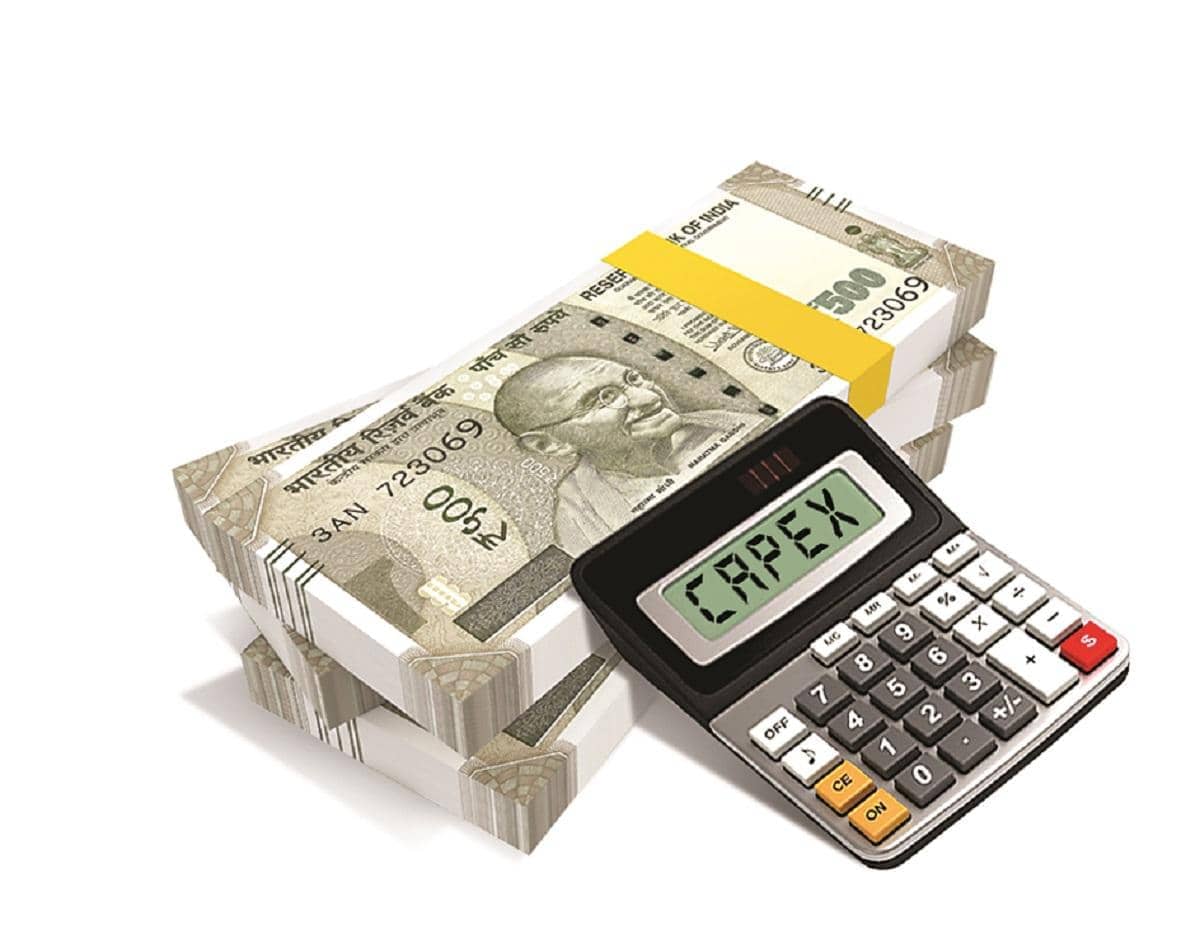


Capital expenditure by Indian states is forecasted to grow between 10 and 12 percent, reaching approximately ₹8.5 trillion in the fiscal year 2026-27 (FY27). This projection, released by Crisil Ratings, highlights stronger central government support and increased fiscal capacity among states as key factors behind this anticipated rise. Urban infrastructure projects are expected to be a major driver of this spending, particularly in the second half of FY27.




Crisil’s analysis covers 18 states that collectively contribute around 90 percent of India’s gross state domestic product (GSDP). Their findings indicate that capital outlay growth will surpass the 8.6 percent increase recorded in the previous fiscal year. States are on track to achieve about 84 percent of their total budgeted capital expenditure, improving from 82 percent in FY26 and aligning closely with the five-year average of 85 percent.
The outlook for state capital spending is bolstered by the central government’s enhanced allocation under the Special Assistance to States for Capital Investment (SASCI) scheme. The funding allocation under SASCI is set to increase to ₹2 trillion in FY27, up from ₹1.54 trillion in the revised estimate for FY26. This scheme, introduced in 2021, offers interest-free loans with a 50-year tenure to states to support capital investments. It forms part of the government’s strategy to stimulate economic growth post-pandemic by promoting public capital expenditure that encourages private sector investment.
Early data from FY27 supports this upward trend. States’ capital outlays rose around 8.8 percent year-on-year during the first five months, despite SASCI disbursements being only about 25 percent of the planned allocation by September. Spending is expected to accelerate in the second half of the fiscal year as additional funds linked to the scheme are released.
Anuj Sethi, Senior Director at Crisil Ratings, explained that the extra support from SASCI provides states with more capacity to invest without impacting their usual borrowing limits. He emphasized that the scheme has seen strong utilization so far, which should translate into increased capital expenditure moving forward.
It is important to note that SASCI loans exceed states’ standard borrowing limits of 3.5 percent of GSDP, which also includes a 0.5 percent component related to power sector reforms. Alongside this, states are expected to experience improved fiscal flexibility as revenue receipts grow faster than revenue expenditures. This improvement is attributed to robust goods and services tax (GST) collections and higher tax devolution from the central government.
Crisil projects that revenue receipts will outpace revenue expenditure by about 75 basis points, helping to keep the absolute revenue deficit relatively stable. This fiscal balance is crucial to maintaining sustainable capital spending levels.
Within the capital outlay categories, urban infrastructure is forecasted to exhibit strong growth. Spending on water supply, sanitation, housing, and urban development is expected to expand at a high double-digit rate. This growth is supported not only by increased state budget allocations but also by central government funding under various schemes.
Transport infrastructure, particularly roads and bridges, remains the largest segment of state capital expenditures, accounting for roughly one-quarter of total outlay. Growth in this sector is projected at a high single-digit rate. In contrast, irrigation spending is anticipated to grow at a modest low single-digit pace due to lower budget allocations from some major states and a high spending base in the previous year.
Crisil cautioned that achieving these spending targets depends on states meeting specific conditions tied to the SASCI scheme and on the timely release and efficient use of funds. The report also highlighted potential risks, including the willingness of states to borrow amid rising interest rates, potential revenue shortfalls, and increased relief and welfare expenses stemming from poor monsoon performance or ongoing inflationary pressures.
Overall, the anticipated increase in state capital outlay, underpinned by central assistance and urban infrastructure projects, reflects a broader effort to sustain economic growth through public investment. This aligns with the government’s long-term goal of enhancing infrastructure and development across states, which can help drive private investment and improve the quality of life for citizens.
What's Your Reaction?
 Like
0
 Dislike
0
 Love
0
 Funny
0
 Wow
0
 Sad
0
 Angry
0














Comments (0)