


Italian PM Meloni Attributes Cyberattack on Foreign Minister to Pro-Russian Hackers

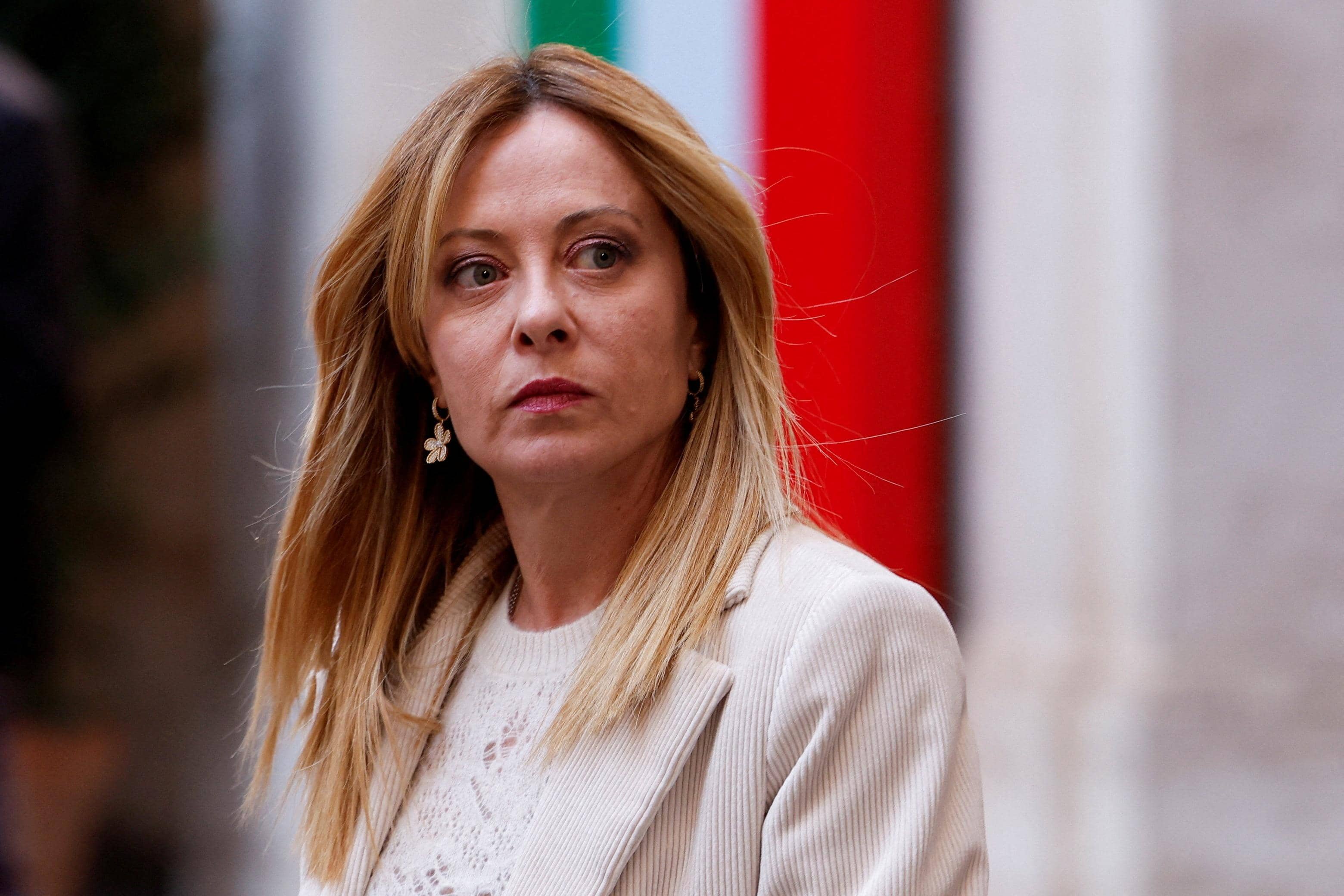


Italian Prime Minister Giorgia Meloni has publicly accused pro-Russian hackers of orchestrating a cyberattack against her foreign minister, Antonio Tajani. This incident is part of a broader pattern of hybrid disruptions linked to groups aligned with the Russian government under Vladimir Putin.




Meloni expressed serious concern about the breach, highlighting that confidential information related to government officials has been put up for sale online. She emphasized the urgency of addressing such cyber threats with strong and decisive action to protect the nation's security.
Deputy Prime Minister and Foreign Minister Antonio Tajani himself confirmed the cyberattack on Saturday. Personal data belonging to him was leaked on the dark web, a hidden part of the internet where anonymity is maintained. Tajani pointed toward intimidation as the likely motive behind this breach, tying it directly to Italy's political stance on Ukraine. He stated via a post on X that his firm support for Ukraine’s sovereignty is the reason he was targeted.
In response to these developments, Tajani has requested that hybrid warfare be a priority topic at the upcoming G7 summit scheduled for Monday in Paris. This move signals Italy’s intention to bring international attention to the rising threat of cyber and hybrid attacks, especially those that threaten democratic institutions and public officials.
Sources close to Tajani revealed that Italy’s cybersecurity teams had intercepted the foreign minister’s personal information through ongoing monitoring efforts in recent days. The leaked information was accompanied by threats and attempts to extract additional details about Tajani and his family. The use of the dark web complicates efforts to trace the perpetrators due to its inherent user anonymity.
Additional screenshots shared by officials show that similar requests for private information have been made regarding other Italian cybersecurity experts and public figures. These include a prosecutor, a police officer, and a mayor, all identified as individuals hostile to the Russian Federation. This suggests a coordinated campaign aimed at intimidating those perceived as opponents of Russia.
The cyberattack on Tajani coincides with reports from law enforcement about a surge in cyber intrusions carried out by hacking groups sympathetic to Moscow. These disruptions have affected a wide range of activities, including seemingly routine operations such as those in funeral homes and supermarket refrigeration systems.
Italian authorities are also investigating whether Russia or affiliated actors contributed to recent protests in Milan and other European cities. These demonstrations have raised concerns about foreign interference in domestic affairs.
Attempts to obtain a comment from the Kremlin spokesman Dmitry Peskov were unsuccessful, as no response was given.
Italy has maintained a supportive stance toward Ukraine since Russia launched its full-scale invasion in 2022. The country’s government continues to navigate the challenges posed by hybrid threats amid its broader commitment to European security and stability.
The rise in cyberattacks targeting government officials and critical infrastructure reflects a growing trend in modern conflict, where digital warfare complicates traditional defense strategies. Italy’s experience serves as a reminder of the evolving nature of international relations and the critical importance of robust cybersecurity measures.
What's Your Reaction?
 Like
0
 Dislike
0
 Love
0
 Funny
0
 Wow
0
 Sad
0
 Angry
0















Comments (0)