


FDA Adds Vision Loss Warning to Ozempic, Wegovy and Other GLP-1 Drugs

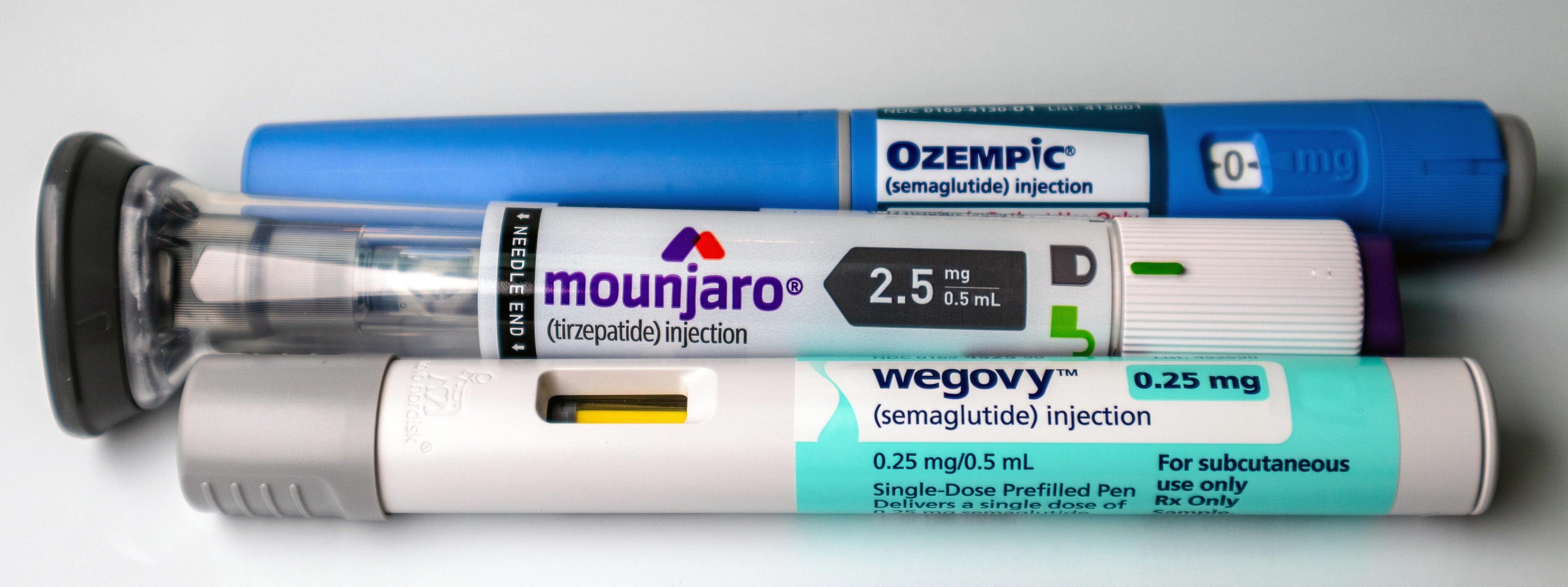


The Food and Drug Administration (FDA) announced on Monday that popular weight loss and diabetes drugs, including Ozempic and Wegovy, will now carry a new warning about a rare but serious risk of permanent vision loss. This updated safety information applies to all medications within the glucagon-like peptide-1 (GLP-1) receptor agonist class, which are widely prescribed for obesity, type 2 diabetes, and other health conditions.




GLP-1 drugs have gained significant attention in recent years due to their effectiveness in managing blood sugar levels and promoting weight loss. The class includes injectable and oral medications such as Ozempic, Wegovy, Zepbound, and Mounjaro, among others. These drugs have become a cornerstone treatment for many patients seeking metabolic and weight management solutions.
The new warning centers on a rare eye disorder known as non-arteritic anterior ischemic optic neuropathy (NAION). This condition occurs when blood flow to the optic nerve is reduced, leading to damage that can result in sudden and significant vision impairment. While the exact mechanism behind this complication remains unclear, FDA officials confirmed that cases have been reported across all GLP-1 therapies.
The FDA's decision to update the labeling was prompted by recent medical literature, including a 2024 study that highlighted instances of NAION in patients using semaglutide, the active ingredient in Eli Lilly's Ozempic and Wegovy. This study raised concerns about the potential link between these medications and optic nerve blood flow disruption. Following this, the agency initiated a thorough review of adverse event reports and clinical data related to GLP-1 drugs.
In making this announcement, the FDA emphasized that the overall risk remains very low, but the possibility of permanent vision loss requires heightened awareness among patients and healthcare providers. Individuals prescribed these medications are advised to promptly report any sudden vision changes such as blurriness, loss of peripheral vision, or sudden blindness to their doctors.
Healthcare professionals are encouraged to discuss this new safety information with their patients before initiating or continuing treatment with GLP-1 receptor agonists. This includes careful assessment of patients’ eye health history and monitoring during therapy, particularly for those with existing risk factors for optic nerve issues.
The GLP-1 class has played a crucial role in advancing treatment options for chronic conditions like diabetes and obesity, which affect millions worldwide. These medications help improve glycemic control and assist with weight loss, contributing to better cardiovascular outcomes and overall health. However, as with all medications, balancing benefits and risks is essential, making transparent communication about potential side effects vital.
This update aligns with the FDA’s ongoing commitment to patient safety and informed medication use. The agency continues to monitor adverse effects and encourages reporting through its MedWatch program to ensure timely identification of emerging risks.
Patients currently taking GLP-1 drugs should not stop their medication without consulting their healthcare provider, as sudden discontinuation can lead to worsening of their medical conditions. Instead, any concerns about vision or other side effects should be discussed promptly to determine the best course of action.
In summary, the FDA’s new label warning aims to alert both patients and clinicians to a rare but serious risk associated with a widely used group of medications. This measure helps ensure that those who rely on GLP-1 therapies remain well-informed about all potential side effects, supporting safer treatment decisions and better health outcomes.
What's Your Reaction?
 Like
0
 Dislike
0
 Love
0
 Funny
0
 Wow
0
 Sad
0
 Angry
0
















Comments (0)