


Tea Board Panel Proposes Minimum Sustainable Price to Aid Industry

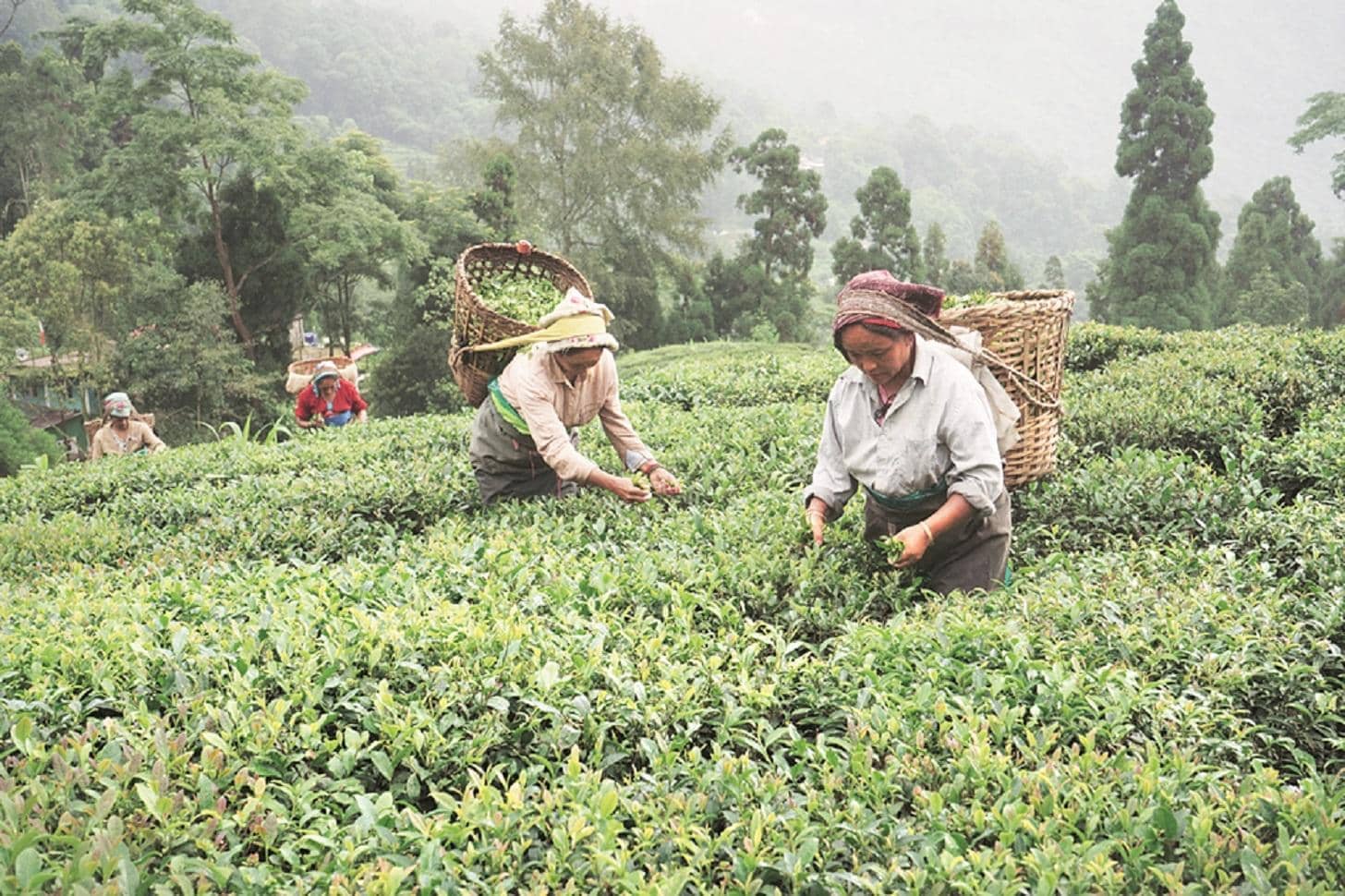


The Tea Board of India has taken a significant step to support the country's tea sector by recommending the introduction of a minimum sustainable price (MSP). This recommendation aims to address the growing disparity between the cost of producing tea and the prices received in the market, an issue that has challenged the industry for years.




In July 2026, the Tea Board formed a 10-member committee comprising various stakeholders from the tea industry. This panel was tasked with developing a fair and practical pricing framework. After thorough deliberations, the committee proposed a composite index that factors in wage changes and the consumer price index (CPI) to establish a benchmark MSP. To ensure the MSP remains relevant, they also suggested periodic reviews to adjust for inflation and shifts in production expenses.
If put into effect, this pricing framework would influence both auction and private sales of tea, potentially stabilizing returns for producers. According to industry insiders, the Tea Board forwarded this MSP report to the commerce ministry approximately 20 days ago, signaling progress toward policy adoption.
Several prominent tea industry organizations have voiced strong support for the panel's recommendations. These include the Indian Tea Association (ITA), Tea Association of India (TAI), United Planters Association of Southern India (UPASI), Confederation of Indian Small Tea Growers Associations (CISTA), and Federation of Indian Tea Manufacturers Association (FITMA). Collectively, they have urged the commerce ministry to endorse and implement the proposed MSP swiftly.
Suneel Singh Sikand, chairman of the ITA, emphasized the importance of this policy move. He highlighted that securing fair returns for tea producers is vital for maintaining operations, encouraging investments in replanting, enhancing productivity, and ensuring the long-term viability of the industry.
The timing of this recommendation is crucial, as the tea sector prepares for the implementation of the Code on Wages. Labour costs currently represent about 60 percent of the total production expenses, and the new wage regulations are expected to increase these costs significantly. Arijit Raha, ITA's secretary general, pointed out that the wage code will raise pay for skilled and semi-skilled workers nationwide, including those in tea plantations, making it challenging for producers to stay profitable without price adjustments.
Industry veterans like Hemant Bangur, former chairman of both ITA and TAI, noted that many tea-producing companies have been operating at a loss for nearly two decades. He described the market as dysfunctional, characterized by numerous producers but only a few buyers. Bangur argued that fair market forces require an equitable environment, underscoring the necessity of the MSP intervention to sustain estate operations.
C K Dhanuka, chairman of Dhunseri Tea and Industries and a long-time MSP advocate, urged the government to adopt the committee's findings. He stressed that a minimum sustainable price would align market realizations with production costs, enabling the industry to accommodate wage hikes, safeguard employment, and maintain the competitiveness of Indian tea in global markets.
Small tea growers, who play a significant role in India's tea production, stand to benefit notably from the MSP. Bijoy Gopal Chakraborty, president of the Confederation of Indian Small Tea Growers Associations (CISTA), said that the economic health of these growers depends heavily on the prices they receive for green leaf. A well-designed MSP structure would provide them with more stable and fair returns.
Deven Singh, chairman of the Federation of Indian Tea Manufacturers, clarified that the minimum sustainable price should not be confused with a minimum support price, which involves government procurement obligations. Instead, the MSP is intended as a benchmark to ensure producers can cover their costs sustainably.
The tea industry in India is a vital contributor to the economy and employment, particularly in regions like Assam, West Bengal, and Tamil Nadu. With rising input costs and evolving labour regulations, establishing a pricing mechanism that reflects actual production expenses is seen as critical for the sector’s future. The proposed MSP could represent a meaningful policy reform aimed at reviving the industry and supporting the livelihoods of millions involved in tea cultivation and processing.
What's Your Reaction?
 Like
0
 Dislike
0
 Love
0
 Funny
0
 Wow
0
 Sad
0
 Angry
0
















Comments (0)