


FBI Probes Nvidia CEO Jensen Huang’s Alleged Affair With Chinese Spy



US President Donald Trump revealed on Monday that the FBI is conducting an investigation into Nvidia CEO Jensen Huang’s relationship with a woman suspected of being a Chinese intelligence agent. Despite the inquiry, Trump expressed confidence that Huang, a key figure in artificial intelligence development, has no cause for alarm.




Speaking at a White House briefing, Trump said, "I know the FBI is looking into it in terms of something else, and I think that he'll be in good shape." This revelation has stirred unease within both political circles and the technology sector, raising questions about whether China might have gained access to advanced Nvidia chips that are instrumental in AI advancements.
The president’s involvement in this counterintelligence matter highlights his close personal ties with Huang and underscores the geopolitical sensitivity of the case. Trump added, "I did speak to him today just to see if he's feeling all right, how you're doing. He said he had absolutely no idea that the person in question was a spy."
Jensen Huang, one of the wealthiest and most influential leaders in technology, has publicly admitted to having an affair. He issued a formal apology to both his wife and Nvidia through an open letter posted on the company’s website. According to a New York Times report, US intelligence agencies have identified the woman as an operative gathering intelligence for Beijing.
In his letter, Huang stated, "I support the investigation and will cooperate fully. I love our country and our company. I am committed to protecting NVIDIA and supporting America's national security." Nvidia confirmed on Sunday that it is carrying out an independent probe into claims that Huang was targeted in a foreign intelligence operation.
The matter has attracted attention from lawmakers as well. Leading Democrats, including Senator Mark Warner and Representative Hakeem Jeffries, expressed interest in further inquiry. Jeffries mentioned that the Nvidia issue was discussed during a closed meeting with the CIA director and the Director of National Intelligence, which primarily focused on Iran. He emphasized the need for a comprehensive briefing to understand the full implications concerning national security.
China has denied allegations of attempting to entrap Huang. A spokesperson for the Chinese Ministry of Foreign Affairs, Guo Jiakun, dismissed the accusations as unsubstantiated smears. Beijing also rejected the New York Times report, which named a Chinese national, Alice Huang, who reportedly managed a company implicated in illicit shipments of advanced Nvidia chips to China last year.
Jensen Huang and Nvidia occupy a critical position in the AI industry, as many leading developers depend on Nvidia's specialized chips to power their systems. Huang has also influenced US policy on AI regulation, advocating for minimal direct intervention and emphasizing responsible corporate conduct. He has lobbied the US government to relax restrictions on exporting Nvidia chips to China, securing approval for selling the H200 model this year. However, the extent to which Chinese firms can acquire these chips remains limited due to Beijing’s own controls.
The H200 chips are advanced but not Nvidia’s most cutting-edge technology. Huang previously sought permission to export a less advanced version, the H20 chips, designed to comply with US export controls. In a June interview with The Associated Press, Huang remarked, "National security should always be the top concern of all technologies. But having said that, you know, you have to be very specific about the risk that you're concerned about, before setting up policies for export controls."
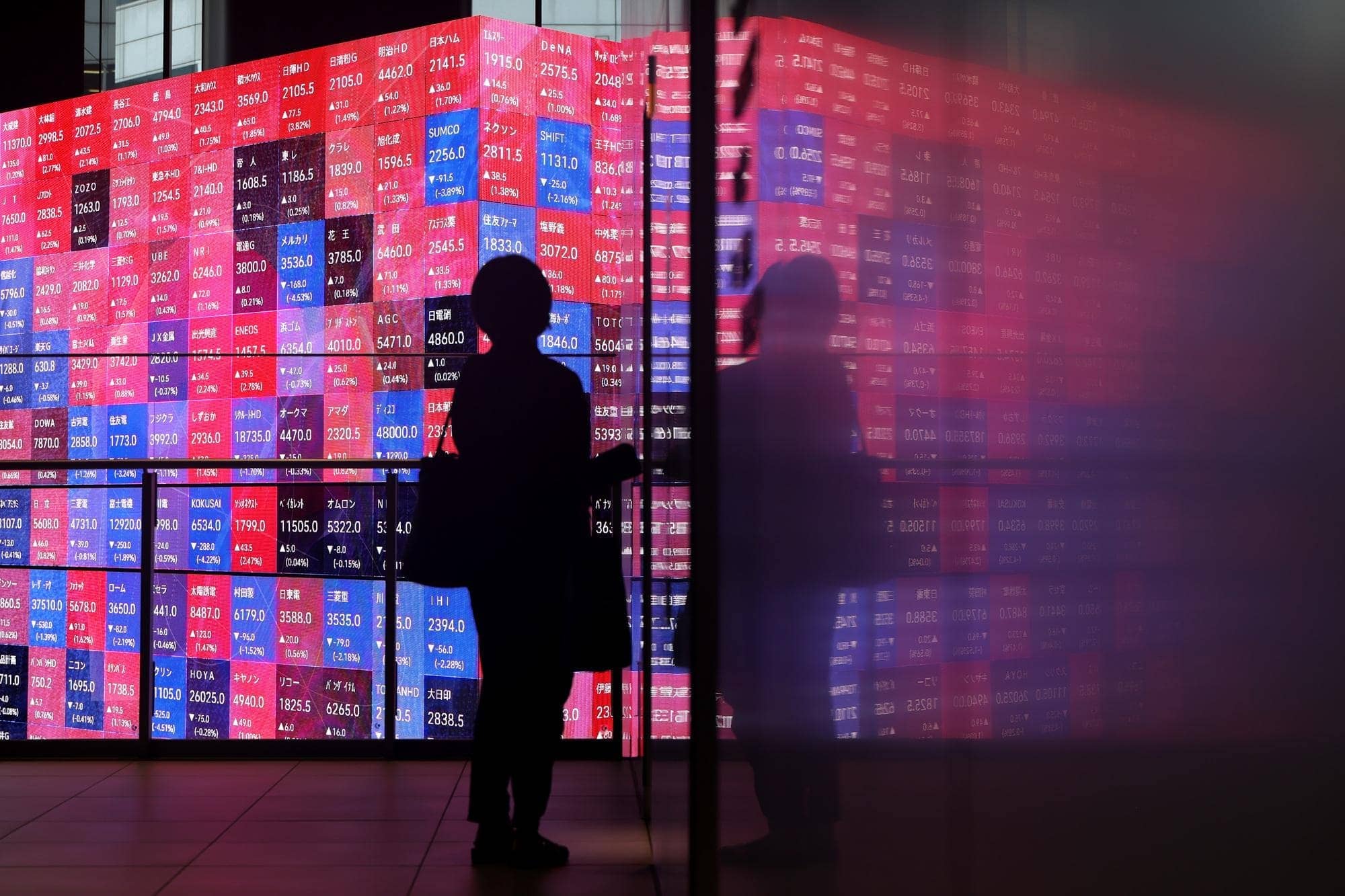
Following these developments, Nvidia's stock declined by over 4 percent on Monday, extending a recent drop that has seen shares fall approximately 11 percent since the previous Wednesday.
Additional focus has turned to Megaspeed International, a Singapore-based data center company linked to Alice Huang. The New York Times reported that Alice Huang was once an executive there. The company’s website highlights a partnership with Nvidia. Requests for comment sent to Megaspeed and Singapore’s Ministry of Home Affairs received no immediate response, possibly influenced by a public holiday in Singapore.
Nvidia ranks among the most valuable publicly traded companies globally, alongside giants like Apple and Microsoft. Its sales of sophisticated computer chips to China have periodically come under scrutiny from US regulators aiming to limit Beijing's access to such technology.
George Chen, partner and chair of digital practice at The Asia Group, a Washington consultancy, noted, "The key questions are whether he was aware of any espionage activities and whether any confidential or strategically sensitive information was compromised. Those questions require evidence rather than speculation."
Chinese state media have largely focused on Huang’s admission of the affair rather than the espionage allegations. Official outlets have echoed government denials, suggesting that the New York Times coverage seeks to undermine US-China relations. The state-owned Global Times commented, "Whenever China-US relations begin to improve, there are often those firing shots from the shadows."
President Trump is scheduled to meet Chinese leader Xi Jinping next week at the Asia-Pacific Economic Cooperation summit in Shenzhen. When asked if he would raise the issue with Xi, Trump was noncommittal, saying, "No, I don't think so. I mean, maybe. I'm sure President Xi will ask me about it. I just know Jensen very well. I just think he's a very honourable man."
FBI counterintelligence investigations into foreign spying efforts can involve years of inquiry without necessarily resulting in criminal charges. China has been widely viewed across different US administrations as a persistent counterintelligence threat, particularly regarding technology and intellectual property.
What's Your Reaction?
 Like
0
 Dislike
0
 Love
0
 Funny
0
 Wow
0
 Sad
0
 Angry
0












Comments (0)