


4 free credit reports a year: Check process, eligibility and benefits

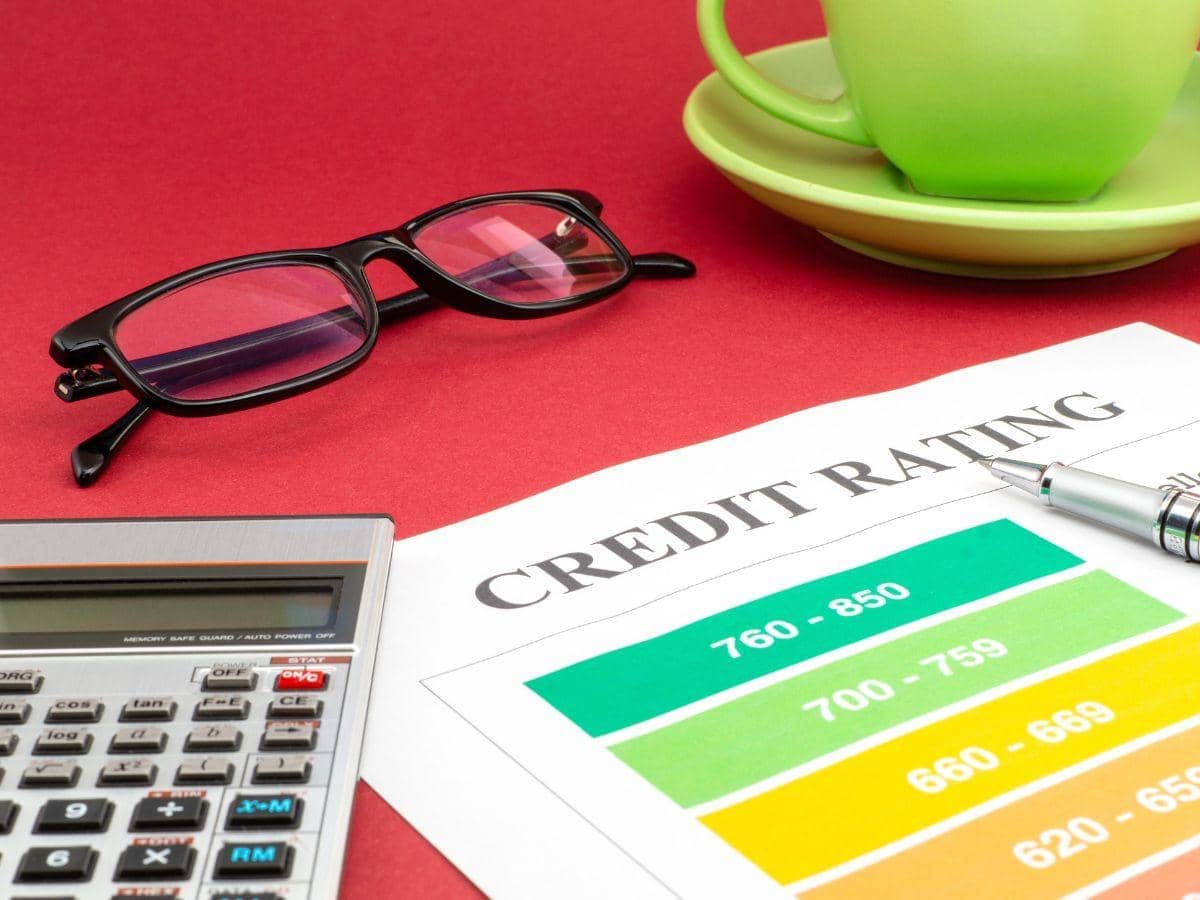


You do not have to pay for a credit score subscription to track your borrowing. Indian borrowers can access four free full credit reports every calendar year, including their credit scores, by obtaining one report each from the country's four credit information companies.




The Reserve Bank of India (RBI) requires every credit information company (CIC) to provide individuals with one free full credit report (FFCR), including their credit score, once between January and December every year. The facility is available to individuals whose credit information is held by the respective company.
This means borrowers can access their credit information from TransUnion CIBIL, Experian, Equifax and CRIF High Mark without paying for an annual subscription.
The provision was introduced by the RBI in September 2016 and came into effect from January 1, 2017. The regulator's directions also require credit bureaus to display the link to the free report prominently on their websites.
Which are the four credit bureaus in India?
India has four credit information companies recognised under the regulatory framework. Each maintains credit information received from banks, non-banking financial companies (NBFCs) and other lenders.
Also Read
These are:
TransUnion CIBIL: Its credit score is commonly referred to as the CIBIL score.
Experian: Provides credit scores and reports based on borrowers' credit histories.
Equifax: Maintains credit information and provides individual credit reports.
CRIF High Mark: Offers credit reports covering borrowers' repayment and credit account details.
A borrower can request a separate free report from each company. However, the reports may not be identical because the information available with each bureau can differ.
How to get your four free credit reports
Borrowers can visit the websites of the four credit bureaus and complete their registration and identity verification processes.
The steps are broadly similar across platforms.
1. TransUnion CIBIL
Visit the official CIBIL website.
Register using your email address, mobile number and other required personal details, or log in to an existing account.
Complete the verification process using the one-time password (OTP).
Select the option to generate your free credit report and access your score.
CIBIL allows one free report per calendar year. Individuals who have accessed their free report in 2026 can obtain their next free report from January 1, 2027.
2. Experian
Visit Experian India's consumer website.
Select the option to obtain a free credit information report.
Register and complete the required identity verification.
Access your credit score and report.
3. Equifax
Visit Equifax India's website.
Open the free credit report section.
Complete the registration and authentication process.
Download or view your report through the consumer portal.
4. CRIF High Mark
Visit CRIF High Mark's consumer portal.
Register or log in using the required personal details.
Complete the identity verification process.
Select the free annual credit report option to access your report.
The four bureaus provide the reports after verifying the applicant's identity.
What should you check in your credit report?
A credit report contains more than just a three-digit score. It provides a record of your borrowing and repayment behaviour.
Borrowers should examine the following details:
Repayment history: Check whether loan EMIs and credit card bills have been correctly recorded as paid on time.
Outstanding loans: Verify the details of active and closed loans, credit cards and outstanding balances.
Credit enquiries: Check whether lenders have made enquiries about your credit history, particularly for loans or credit cards you did not apply for.
Personal information: Ensure your name, address and other identifying details are correct.
Incorrect entries: Look for loans or credit card accounts that do not belong to you or have been incorrectly reported as outstanding.
A credit score is generally a three-digit number ranging from 300 to 900. A higher score indicates a stronger credit history and can improve the chances of loan approval. However, lenders also consider income, existing debt and repayment capacity before approving credit.
What if you find an error?
If a credit report contains incorrect information, borrowers should raise a dispute with the concerned credit bureau and the bank or financial institution that reported the information.
For instance, if a loan that has been fully repaid continues to appear as outstanding, the borrower can submit supporting documents, such as a loan closure certificate or a no-dues certificate.
The RBI's framework provides for correction of inaccurate credit information. If a complaint remains unresolved beyond 30 days, borrowers can approach the RBI's Integrated Ombudsman through its Complaint Management System.
Checking all four reports can help borrowers identify reporting discrepancies, detect unfamiliar credit accounts and monitor their borrowing history. It is therefore worth using the free annual facility rather than relying only on a paid credit score subscription or a single bureau's report.
What's Your Reaction?
 Like
0
 Dislike
0
 Love
0
 Funny
0
 Wow
0
 Sad
0
 Angry
0
















Comments (0)