


Uttar Pradesh Launches Private Medical College Scheme for Unserved Districts

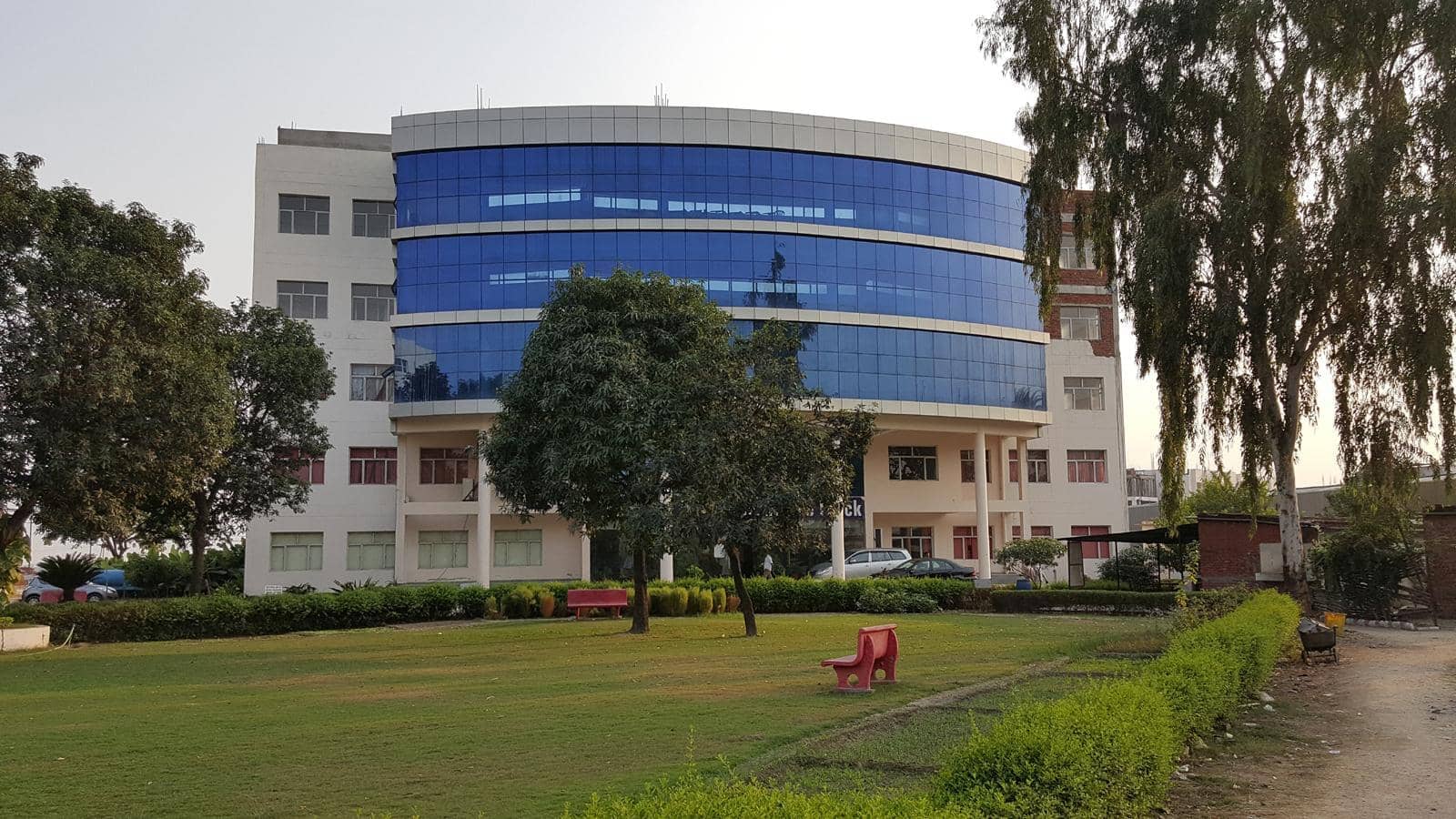


In 2022, Uttar Pradesh introduced a targeted initiative aimed at boosting medical education and healthcare infrastructure in districts lacking medical colleges. The Private Medical College (Unserved Districts) Scheme, managed by the Medical Education Department and executed through the Directorate General of Medical Education and Training, focuses on attracting private investment to establish integrated medical colleges paired with teaching hospitals.




This scheme specifically targets 16 districts that were identified as underserved at the time of its formulation. These districts include Baghpat, Mainpuri, Sant Kabir Nagar, Ballia, Rampur, Bhadohi, Kasganj, Maharajganj, Shamli, Chitrakoot, Mahoba, Hamirpur, Mau, Shravasti, Sambhal, and Hathras. The list may evolve based on ongoing government efforts and approvals, requiring prospective applicants to consult current tender documents for the latest details.
The initiative is not a broad subsidy for private hospitals or nursing colleges. It is designed exclusively for projects combining a medical college and a teaching hospital, adhering to the National Medical Commission’s regulations as well as state laws. The minimum capacity set for these colleges is 100 undergraduate medical seats, ensuring a significant expansion in local medical education opportunities.
Establishing a medical college involves more than academic facilities. It requires a fully functional teaching hospital, adequate clinical exposure for students, laboratories, hostels, faculty, equipment, and library resources. The scheme therefore promotes different models of collaboration between private investors and government assets to meet these requirements.
There are two primary development pathways under the scheme. The first involves state-supported models with three variations, while the second leverages the Union government’s viability-gap-funding mechanism.
Mode A requires the private entity to bring its own operational hospital and land. The private party is responsible for upgrading facilities to medical college standards and managing both the hospital and college. This mode receives the highest priority as it demands minimal government asset involvement.
Mode B involves private hospital operators partnering with the state, which provides land at a nominal lease rate of Re 1 per year. The private partner develops the college and hospital infrastructure, operating the facilities for a 33-year concession period with potential extension. Upon lease expiration, the medical college facilities revert to government ownership, while the hospital remains private.
Mode C flips this arrangement. The government offers an existing district hospital under a nominal lease, and the private party supplies land and capital to upgrade the hospital and establish the medical college. The private operator must allocate space for public health functions and return the hospital after the concession period. Staff redeployment and patient fee structures are regulated under this model.
The second development option involves central government support through viability-gap funding, designed to bridge financial gaps for socially important projects. This model combines government hospital and land resources with private development and operation, following Union government guidelines and competitive procurement rules.
To encourage participation, the scheme provides several incentives. These include a 5 percent interest subsidy on eligible capital expenditures for up to five years, capped at Rs 1 crore annually and a total of Rs 5 crore. Additional benefits encompass per-seat assistance, exemptions from land conversion fees, equipment subsidies, nominal lease rents, and stamp duty concessions. The concession period for supported projects is generally 33 years, with specific provisions for extensions or asset handbacks.
Eligible applicants encompass private companies, registered trusts, societies, educational institutions, hospital operators, and consortiums, all subject to compliance with National Medical Commission regulations and state requirements. Candidates must demonstrate financial strength, hospital management experience, and the capacity to develop and run large medical education projects.
The scheme reflects Uttar Pradesh’s broader strategy to decentralize medical education, improve healthcare accessibility in rural and underserved areas, and attract private sector participation. By combining government resources with private expertise and investment, the initiative aims to create sustainable medical education infrastructure that can serve the state’s growing population and reduce the need for patients and students to travel to urban centers.
As healthcare demands rise nationwide, such public-private partnership models are becoming increasingly important for expanding medical services efficiently. Uttar Pradesh’s approach may serve as a reference for other states seeking to enhance medical education and health infrastructure in regions currently lacking adequate facilities.
What's Your Reaction?
 Like
0
 Dislike
0
 Love
0
 Funny
0
 Wow
0
 Sad
0
 Angry
0















Comments (0)