


Indian Rupee Drops Slightly to 94.50 Against US Dollar in Early Trading

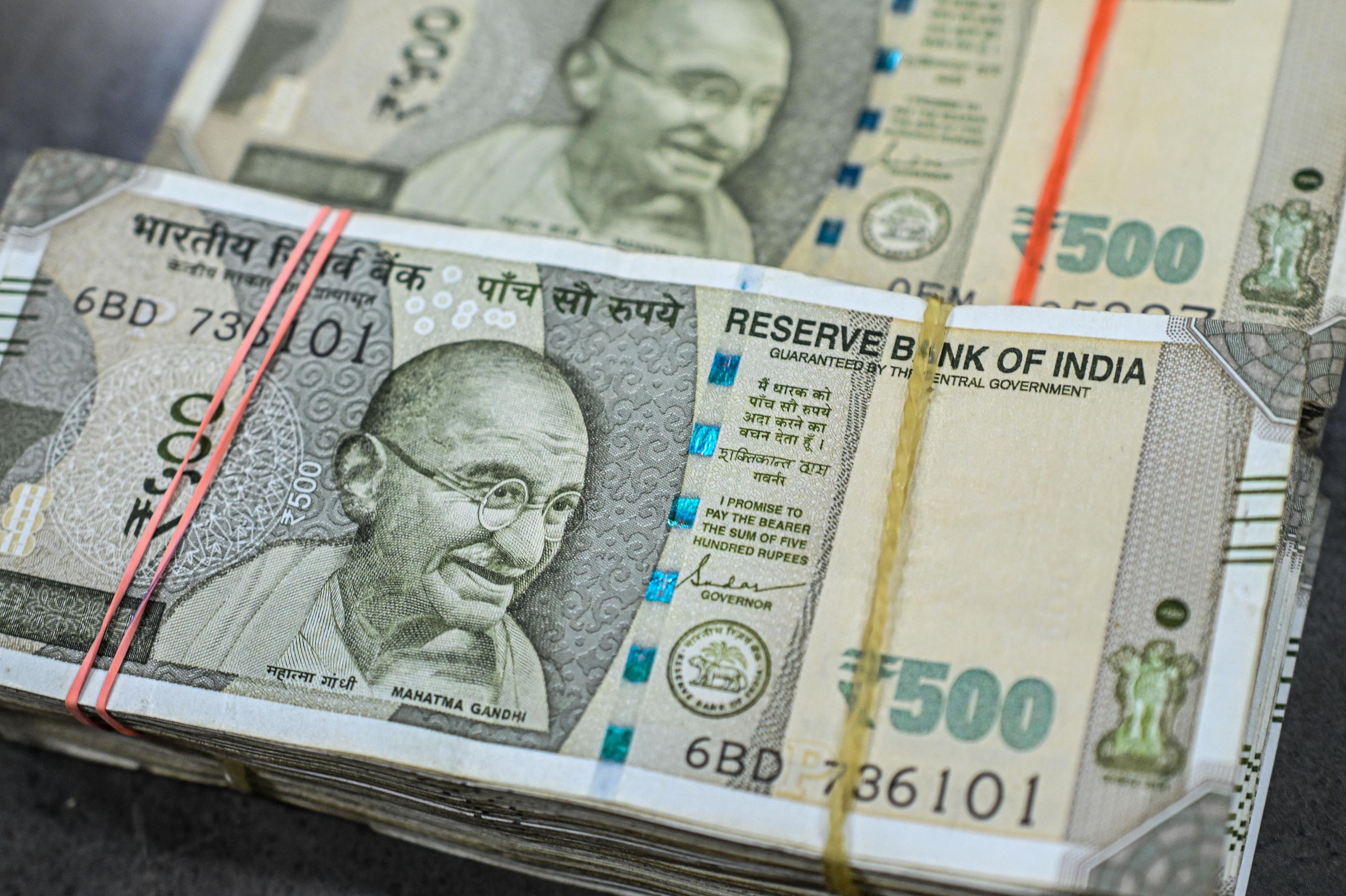


The Indian rupee experienced a modest decline on Friday morning, slipping 9 paise to 94.50 against the US dollar during early trading sessions. This drop came as the US dollar gained strength in international markets, impacting investor confidence in emerging market currencies.




Traders in the foreign exchange market pointed to overnight increases in crude oil prices as a contributing factor to the rupee's weakening. Rising oil prices often put pressure on the Indian currency since India is a major oil importer, making energy costs a critical component of the trade balance. Alongside this, the US dollar's rebound against several currencies further weighed on the rupee's performance.
When the interbank foreign exchange market opened on Friday, the rupee started at 94.50 to the dollar, down from its previous closing level of 94.41 on Thursday. Interestingly, the domestic unit showed some resilience during the initial trading hours, briefly recovering to 94.36 before settling lower. This volatility reflects ongoing market sensitivity to global economic data and geopolitical developments.
On Thursday, the rupee closed at 94.41, marking a slight depreciation compared to earlier days. Analysts observe that these fluctuations are influenced by a combination of international factors such as crude oil price trends, central bank policies, and geopolitical tensions.
Anuj Choudhary, a research analyst at Mirae Asset Sharekhan, highlighted that the Bank of England's decision to maintain its current policy rates and the US reporting better-than-expected weekly unemployment claims added layers to the currency market dynamics. "We expect the rupee to trade with a positive bias supported by strength in domestic markets and renewed foreign institutional investor inflows," Choudhary said.
Despite the short-term dip, the analyst noted that ongoing geopolitical uncertainties, including tensions between Ukraine and Russia and recent incidents in the Middle East, continue to affect global investor sentiment. These events contribute to periodic shifts in risk appetite, which in turn impact emerging market currencies like the rupee.
India's currency movements are closely monitored by businesses, importers, exporters, and policymakers, given their direct influence on inflation, trade, and economic growth. A weaker rupee can increase the cost of imported goods and raw materials, while a stronger rupee may help contain inflation but might affect export competitiveness.
Over the past few months, the rupee has shown volatility in response to global economic data releases, crude oil market developments, and shifts in monetary policy in major economies. The Reserve Bank of India and government authorities typically intervene indirectly by managing liquidity and guiding market expectations to maintain currency stability.
Investors and market participants will continue to watch key indicators such as crude oil price movements, US economic data, and geopolitical developments closely. These factors are likely to influence capital flows and currency valuations in the near term.
As the global economy navigates uncertain times, the interplay between commodity prices, central bank policies, and geopolitical risks remains central to currency market trends. The rupee's performance against the US dollar will depend on how these elements evolve in the coming days and weeks.
What's Your Reaction?
 Like
0
 Dislike
0
 Love
0
 Funny
0
 Wow
0
 Sad
0
 Angry
0


















Comments (0)