


PLI scheme to help telecom firms stay competitive amid US tariffs: Scindia

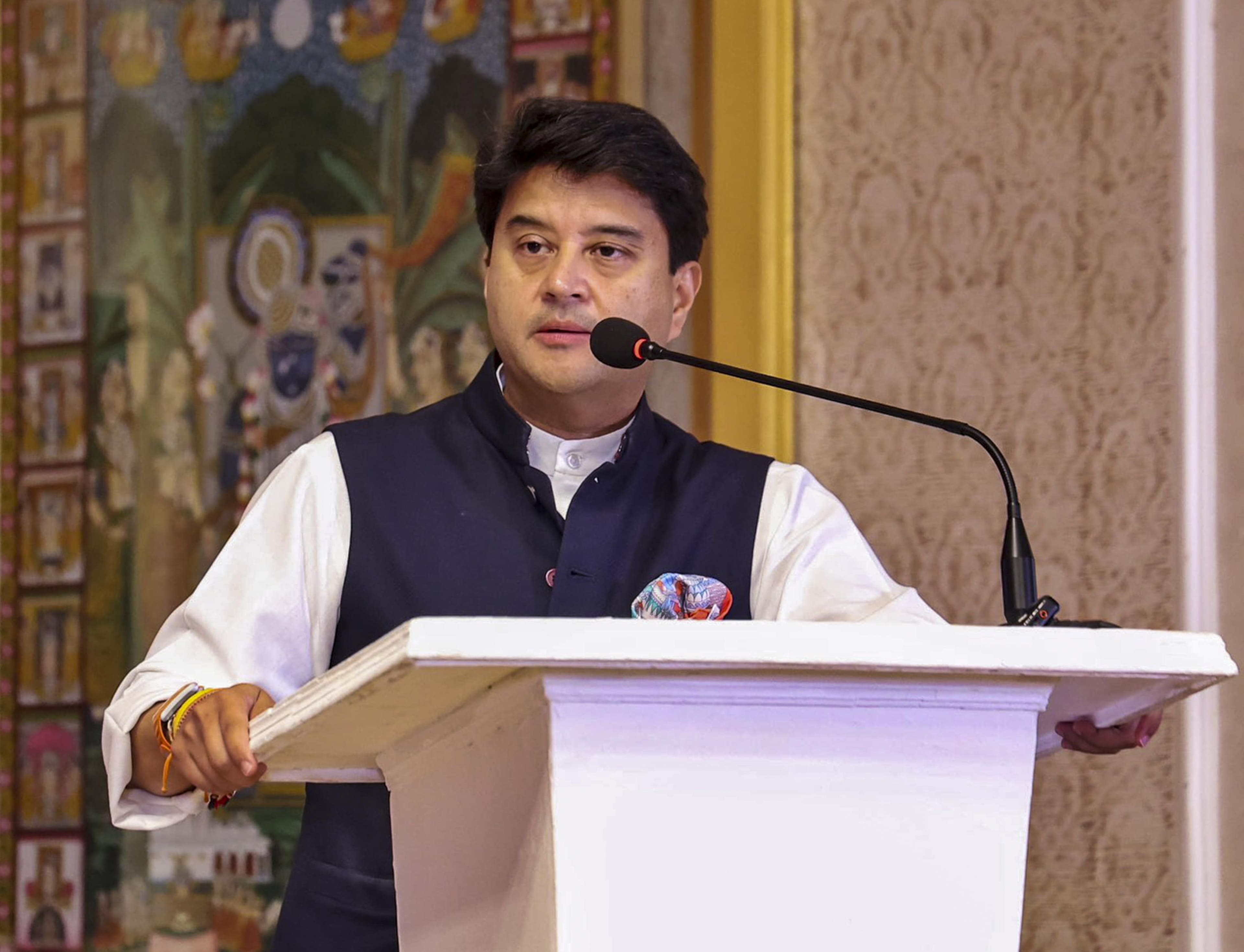


Indian manufacturers, particularly telecom equipment makers, were globally competitive and would remain so on the back of the production-linked incentive (PLI) scheme, even amid proposed US tariffs, said Telecom Minister Jyotiraditya Scindia.




"Our PLI scheme has done extremely well, over 100,000 crores in sales, over close to 36,000 crores in exports and I think India has always been competitive and will continue to remain competitive," the minister said, speaking on the sidelines of a briefing on the Department of Posts on Thursday.
His remarks came a day after the US proposed a fresh round of tariffs of up to 25 per cent on Indian goods, although the proposed rate could be lowered to 17 per cent if India and the US reach a trade agreement.
Under the PLI scheme for telecom and network equipment, India has exported just about $1 billion worth of telecom products, accounting for 0.23 per cent of India's overall exports as of 2024, according to data from Niti Aayog. Imports remained high at $3.6 billion.
Telecom equipment makers said they were in a wait-and-watch mode as the final tariffs were yet to be decided, and some products, such as smartphones and routers, remained outside the purview of the tariffs.
Also Read
According to some executives, exports of optical fibre, optical fibre cables, base stations, antennas, customer premises equipment, and components to the US were limited and would remain at existing levels until January.
"While its too early to say anything with certainty, the existing tariffs will continue to hold till the new ones get notified," said an executive from the industry body representing telecom equipment manufacturers in India.
"We're evaluating this, although these tariffs are currently as a proposal level," said another executive from a leading telecom equipment maker who did not want to be identified.
Rohan Lobo, partner and industry leader – technology, media and telecommunications, Deloitte South Asia, said that the impact was likely to be uneven since smartphones accounted for a large component of India's telecom-related exports and were outside the purview of both the additional US duty currently in force and the higher tariff proposed on November 25, 2026.
"Exposure is likely to be in a small but growing segment primarily in optical fiber and cable, base stations, antennas, and components. There are three factors that are likely to shape the outcome. Firstly, the final scope of product exemptions is still open to consultation. Secondly, the progress of the India–US trade agreement and the possibility of negotiated rate. Thirdly, India's position relative to other competing manufacturing locations like Thailand and Malaysia where the rate proposed is 18 per cent," Lobo said.
India has disputed the United States Trade Representative's (USTR's) findings on structural excess capacity and reiterated its commitment to ongoing bilateral trade negotiations.
Lobo noted that routers were exempt from the proposed tariff, but there had been barriers to importing foreign-made consumer routers since March 2026. "Similarly, AI data-center demand has left US fiber in short supply and buyers may not have a choice but to absorb the duty," he added.
What's Your Reaction?
 Like
0
 Dislike
0
 Love
0
 Funny
0
 Wow
0
 Sad
0
 Angry
0

















Comments (0)