


Hindalco Faces Coal Shortage, Expects 5% Rise in Aluminium Costs

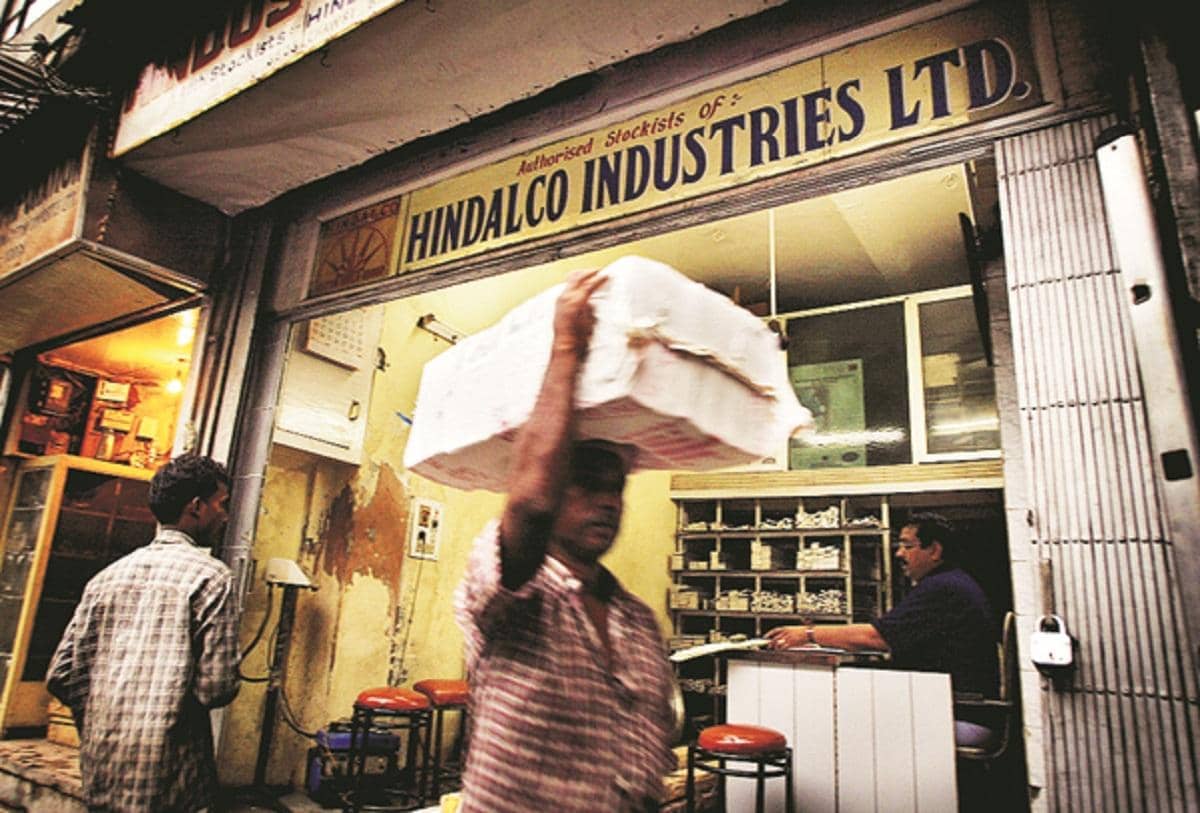


Hindalco Industries has revealed a significant reduction in coal supply at its two aluminium smelters located in northern India, with availability dropping to almost half the usual levels. This shortage highlights the growing pressure that tightening fuel supplies are placing on major industrial users in the region.




During a media briefing following the company’s Q2 FY27 financial results, Managing Director Satish Pai indicated that aluminium production costs are expected to climb by an additional 5 percent in the December quarter (Q3), following a similar increase recorded in the September quarter (Q2). Pai pointed out that coal supplies in northern India are likely to remain constrained throughout October and November, with some relief anticipated in the final quarter of the fiscal year.
Production expenses for aluminium in Q2 were already 5 percent higher than in Q1, primarily driven by rising costs of coal and calcined petroleum coke (CP Coke). Coal contributed 50 to 60 percent of this increase, with CP Coke accounting for the rest. Pai expressed optimism that costs should begin to stabilize in Q4 as coal availability improves and power demand eases during the winter months.
Hindalco posted strong financial results for Q2 FY27, with consolidated net profit soaring 59 percent year-on-year to reach a record ₹7,533 crore. The company’s revenue jumped 39 percent to ₹91,708 crore, and earnings before interest, tax, depreciation, and amortization (EBITDA) increased 42 percent to ₹13,757 crore.
As the metals flagship of the Aditya Birla Group, Hindalco is recognized as the largest aluminium company globally by revenue and the biggest copper producer in India. The company also operates Novelis, the world’s top aluminium recycler, which has manufacturing facilities across North America, South America, Europe, and Asia.
Satish Pai explained that the coal shortage in northern India was exacerbated by the monsoon season. Heavy rainfall disrupted mining activities, while power plants in the region intensified coal consumption due to elevated temperatures. These factors squeezed coal availability for aluminium producers.
"We had to rely heavily on spot auctions, where prices were significantly higher," Pai said. He noted that the premium on coal bought via e-auctions in the northern region surged by as much as 200 percent, pushing up input costs.
Coal stockpiles at Hindalco’s Mahan smelter in Madhya Pradesh and Renukoot smelter in Uttar Pradesh have dwindled to about 10 to 11 days of inventory, well below the usual 20 to 25 days. In contrast, the company’s smelters in Odisha, namely Aditya and Hirakud, maintain more than a month’s worth of coal reserves and have not faced supply issues.
Until Hindalco’s own coal mining operations become fully functional, the company remains dependent on long-term coal supply agreements with Coal India and spot market purchases. The Bandha and Chakla coal mines, located in Madhya Pradesh and Jharkhand respectively, are expected to start delivering coal by mid-2024.
Despite these cost pressures, Hindalco’s upstream aluminium segment, which is the largest contributor to the company’s quarterly results, achieved an EBITDA of ₹7,009 crore, marking a 55 percent increase compared to the same period last year. The copper business also performed strongly, posting a record EBITDA of ₹1,673 crore, up 164 percent year-on-year.
Novelis, the company’s aluminium recycling unit, recorded an adjusted EBITDA growth of 20 percent year-on-year to $508 million. Pai confirmed that production at Novelis’s Oswego plant in the United States has returned to normal following disruptions caused by a fire last year.
Additionally, Hindalco’s downstream aluminium business reported EBITDA of ₹329 crore, a 26 percent rise compared to the previous year. Pai anticipates this segment will grow substantially, potentially generating over ₹2,000 crore in EBITDA within the next two years, becoming a major contributor to Hindalco’s operations in India.
This update from Hindalco reflects broader challenges faced by energy-intensive industries as they navigate fluctuating fuel supplies and rising input costs. The aluminium sector, in particular, is sensitive to coal availability because it is a critical component in the smelting process. Companies like Hindalco are seeking to balance supply constraints while maintaining profitability in a competitive global market.
What's Your Reaction?
 Like
0
 Dislike
0
 Love
0
 Funny
0
 Wow
0
 Sad
0
 Angry
0














Comments (0)