


India Prepares Contingency Plans for 225 Districts Amid Slow Rabi Sowing

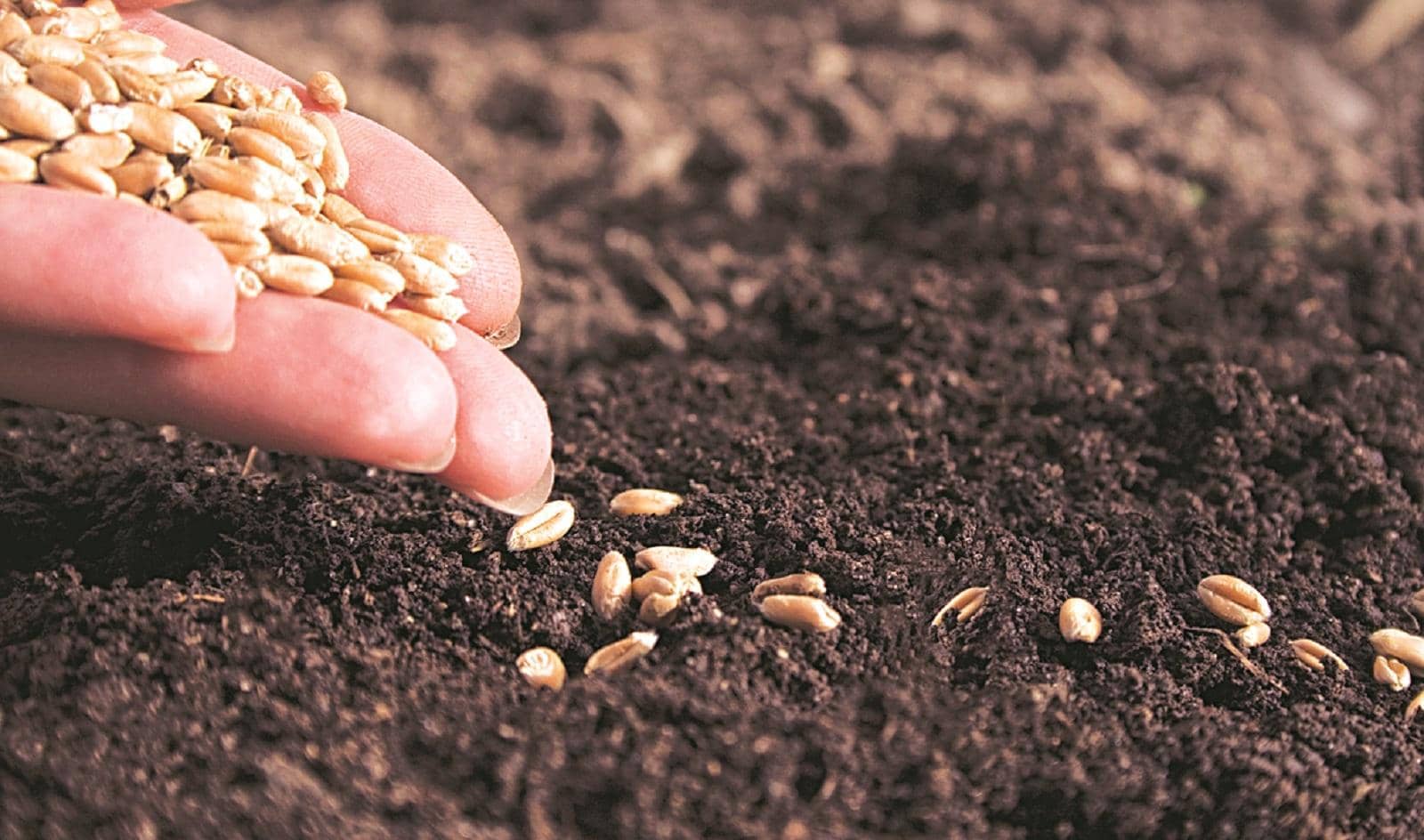


India's rabi crop sowing has progressed at a sluggish pace following an uneven monsoon season, prompting the government to formulate contingency plans for 225 districts. This approach marks a rare step during this sowing season, reflecting concerns over agricultural output. Despite the slow start, officials remain optimistic that sowing will improve over the next six weeks.




Director General of the Indian Council of Agricultural Research (ICAR), ML Jat, shared insights into this strategy during a recent briefing. He revealed that the government is advancing contingency planning with enhanced tools, including a dynamic dashboard designed to provide detailed district-level agricultural data. This dashboard aims to integrate multiple sources, such as weekly forecasts from the India Meteorological Department (IMD), water body data, and other critical information, supporting local decision-making.
As of October 30, 2026, rabi crops were planted on approximately 3.8 million hectares. This figure represents a nearly 46 percent decline compared to the same date in the previous year, underscoring the scale of the challenge facing farmers and policymakers.
The dashboard under development will cover the entire country rather than being limited to the 225 districts identified for immediate contingency measures. According to Jat, the platform will extend beyond crisis management, offering advisories for standard agricultural conditions. This feature is expected to assist both farmers and officials in making informed decisions tailored to varying local circumstances.
The initiative to create this dashboard began as part of efforts to make contingency planning more accessible and adaptable. ICAR intends to link this tool with the broader AgriStack initiative, which seeks to unify data from diverse agricultural sources. Jat emphasized the importance of this integration, saying, "Ultimately, we have to link it with AgriStack, because all these things need to be integrated." This connection aims to streamline access to comprehensive agricultural data and improve response strategies.
Jat also pointed out that district classifications concerning vulnerability, such as those prone to drought, will be subject to change based on updated rainfall data and IMD forecasts. For instance, a district initially tagged as drought-prone might be reclassified if sufficient rainfall occurs in the upcoming days. This dynamic approach ensures that contingency planning remains responsive and accurate.
In addition to these technological and planning enhancements, ICAR has established a task force dedicated to exploring opportunities for expanding oilseed and pulse cultivation in rice-fallow areas. These regions, left unplanted after rice harvests, present valuable potential for crop diversification. Jat noted that in areas where residual soil moisture is insufficient for wheat cultivation, farmers could consider alternative crops such as oilseeds and pulses to optimize land use and improve yields.
Another development on the horizon is a new soil health policy expected to be introduced within the next two to four months. This policy aims to support sustainable farming practices and enhance soil fertility, which is crucial for improving crop productivity and resilience.
The current situation reflects broader challenges in Indian agriculture, where monsoon variability significantly affects crop cycles. The government’s proactive measures, including data-driven contingency planning and efforts to diversify cropping patterns, are intended to mitigate risks and support farmers in adapting to changing conditions. These initiatives also align with ongoing efforts to modernize agricultural practices through technology and better resource management.
As the rabi season progresses, the effectiveness of these plans and tools will be crucial in ensuring food security and stabilizing farm incomes. The integration of meteorological data, soil health insights, and crop advisories into a unified platform represents a significant step toward more resilient agricultural systems in India.
What's Your Reaction?
 Like
0
 Dislike
0
 Love
0
 Funny
0
 Wow
0
 Sad
0
 Angry
0















Comments (0)