


Global Stocks Rise as Oil Falls Below $90 on US-Iran Peace Hopes

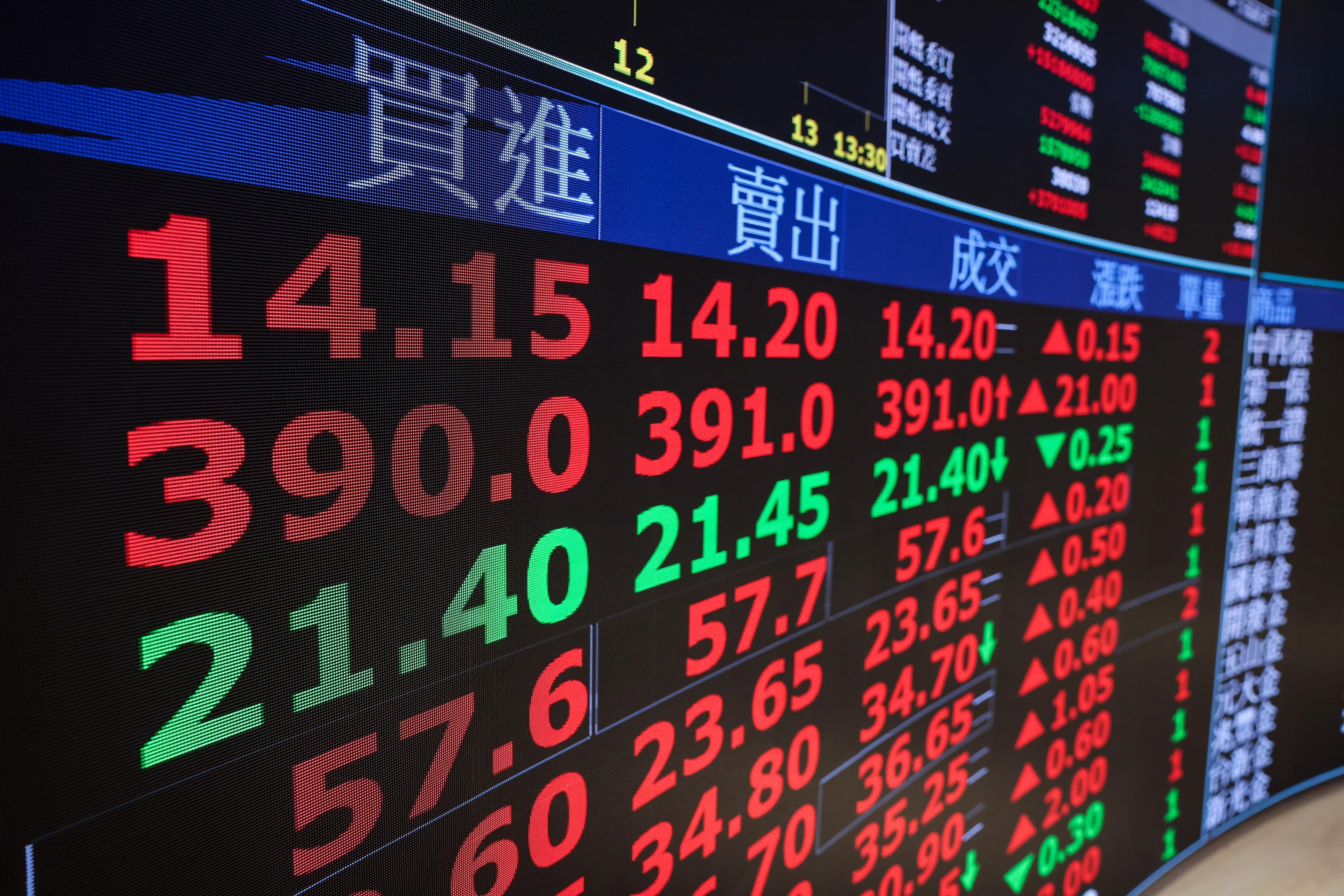


World stock markets experienced gains on Tuesday following a decline in oil prices, which fell below $90 per barrel for the first time since late August. This drop came after US President Donald Trump announced plans to delay new military actions against Iran, encouraging hopes for potential peace negotiations between the two nations.




Brent crude futures decreased by over 2 percent, easing concerns about inflation that have been heightened since conflict tensions involving the US, Israel, and Iran escalated in late February. The pan-European STOXX 600 index rose by 0.5 percent, nearing its all-time high by just 1 percent, as investors responded positively to the easing energy costs.
Joost van Leenders, senior investment strategist at Van Lanschot Kempen Investment Management in Amsterdam, noted, "The political landscape for Trump has shifted with the approaching midterm elections, making it more plausible that he seeks a deal with Iran before Congressional constraints take effect." This political calculation appears to have played a role in the softer stance on military strikes.
The reduction in oil prices helped stabilize markets after the previous week's downturn, which was influenced by fears that a Democratic sweep in the US midterms could lead to new regulations potentially affecting the profitability and sustainability of AI-related stocks.
In the United States, futures for the S&P 500 edged up 0.1 percent following the index’s largest single-day gain since April recorded on Monday. The tech-heavy Nasdaq surged 2.7 percent, marking its strongest performance in over three months.
Asian markets also reflected this positive momentum. South Korea’s KOSPI index jumped 4.4 percent, Japan’s Nikkei gained 2.9 percent, and MSCI’s broad Asia-Pacific index improved by 2 percent, moving away from a seven-month low hit just last week.
Investor focus is sharpening on upcoming earnings reports from several technology firms, including CoreWeave, which is viewed as a gauge of market anxiety surrounding AI development costs and profitability. These results will provide further insight into the health of the AI sector amid ongoing debates about its long-term economic impact.
Meanwhile, the AI startup Anthropic briefly circulated details of a massive initial public offering (IPO) aiming to raise nearly $70 billion before retracting the information late Monday, according to sources seen by Reuters. The company, known for its Claude AI model, is expected to officially kick off its roadshow on Tuesday, with pricing anticipated next week. Investors see this IPO as a critical event for AI-related investments, especially given the increased scrutiny of the industry.
On the corporate front, Nvidia remains under close watch after reports surfaced alleging that CEO Jensen Huang was targeted by a foreign intelligence operation due to a relationship with a Chinese businesswoman accused of passing information to Beijing. Huang admitted to infidelity but did not provide further details. Despite a 4.3 percent drop in shares on Monday, Nvidia’s stock rose 2 percent in premarket trading. The company is also set to release its earnings report next week.
Attention is also on US inflation figures due later in the day. Economists expect a moderate rise in prices for October, but persistent inflation may prompt the Federal Reserve to continue raising interest rates. Deutsche Bank analysts commented that recent Fed official statements reinforce the likelihood of additional hikes, despite market volatility and uncertainties surrounding AI investments.
Market data from the CME FedWatch tool shows traders now assign an 82.2 percent probability to a rate hike next month, up from 74 percent the previous week, influenced by a strong October jobs report. The two-year Treasury note yield increased by 3.3 basis points to 4.58 percent, reflecting expectations for tighter monetary policy. Meanwhile, the US dollar edged down slightly against the euro and remained stable versus the Japanese yen.
These developments highlight the interconnected nature of geopolitical events, energy markets, and technology sector dynamics in shaping global stock market trends. Investors are closely monitoring how these factors will influence economic policies and corporate earnings in the weeks ahead.
What's Your Reaction?
 Like
0
 Dislike
0
 Love
0
 Funny
0
 Wow
0
 Sad
0
 Angry
0

















Comments (0)