


October Sees Record EV Sales Despite Supply Challenges

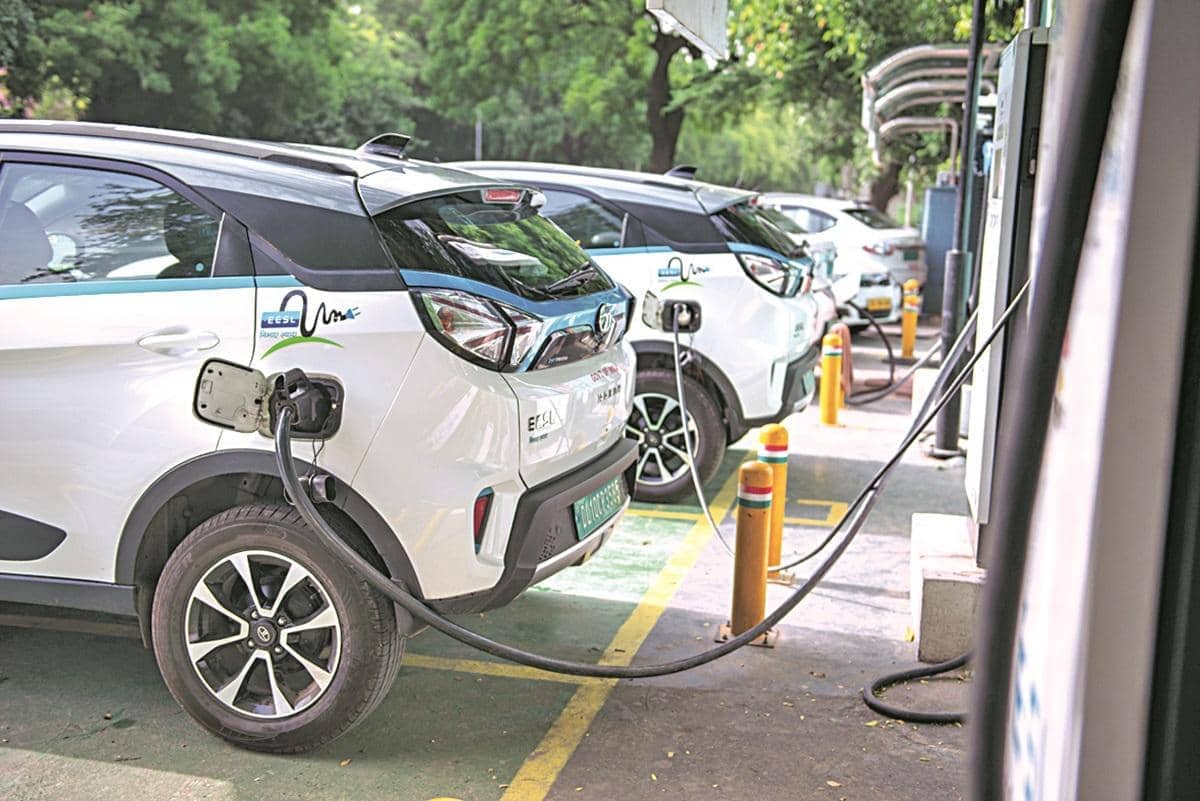


Electric vehicle registrations across multiple segments hit a new high in October 2023, reaching 355,000 units, according to the Federation of Automobile Dealers Associations (Fada). Yet, despite this growth, the share of EVs in the overall vehicle sales mix slipped in some categories due to ongoing supply constraints.




The year-on-year increase in EV sales was 44.88 percent, pushing the total penetration of electric vehicles to about 11.5 percent in October, up significantly from roughly 6 percent the previous year. However, the penetration rate for electric passenger vehicles dropped from 8.5 percent in September to 7.3 percent. Similarly, electric two-wheelers saw their market share fall to 9.7 percent from 11.6 percent, and electric three-wheelers declined to 62.6 percent from 64.9 percent during the same period.
Fada President Sai Giridhar pointed to supply limitations as the primary factor behind these shifts. "Demand outpaced supply this month," Giridhar noted. He cited factors such as rising petrol and diesel prices, enhancements in electric vehicle driving ranges, and the narrowing cost gap between electric and conventional vehicles as key drivers behind increasing buyer interest. Giridhar emphasized that, at present, availability rather than demand is restricting EV sales growth.
Despite the dip in penetration rates, October marked the highest-ever monthly retail registration figures across electric two-wheelers, three-wheelers, passenger vehicles, and commercial vehicles. This indicates robust underlying demand even as manufacturers and dealers work to meet it.
Passenger Vehicles: Tata Leads the Electric Charge
Electric passenger vehicle registrations rose by 76.47 percent year-on-year to 37,049 units in October, a modest 2.61 percent increase from September's 36,108 units. Tata Passenger Electric Mobility continued to dominate the segment with 14,669 units, reflecting a 77.61 percent jump from October 2022. However, its registrations dipped slightly by 0.82 percent compared to September.
Mahindra & Mahindra ranked second with 8,538 registrations, up 85.65 percent year-on-year and 9.74 percent sequentially. JSW MG Motor India came in third with 5,939 units, followed by VinFast at 2,571 units and Kia India at 1,395 units. Other manufacturers including Maruti Suzuki, Hyundai Motor India, and BYD India contributed registrations of 1,200, 760, and 737 respectively.
Two-Wheelers: TVS and Bajaj Dominate
In the electric two-wheeler segment, registrations increased 48.49 percent year-on-year to 224,064 units in October, also rising 8.08 percent from September. TVS Motor Company led with 60,490 registrations, marking a 94.66 percent increase year-on-year and 11.94 percent month-on-month. Bajaj Auto followed with 49,126 units, a 51.33 percent jump compared to last year.
Ather Energy secured third place with 31,833 registrations, while Hero MotoCorp registered 29,923 units, up 81.36 percent year-on-year and 23.03 percent over the previous month. Ola Electric faced challenges with a 26.41 percent year-on-year decline to 12,098 units and a 10.06 percent drop from September, placing it fifth in the market.
Additional players included Greaves Electric Mobility with 10,839 registrations and River Mobility, which showed impressive growth of nearly 274 percent year-on-year, reaching 6,817 units from a smaller base.
Three-Wheelers and Commercial Vehicles: Growth and Shifts
Electric three-wheeler sales rose 24.76 percent year-on-year to 88,570 units in October. Bajaj Auto led this segment with 15,726 registrations, closely followed by the Mahindra Group at 15,157 units. Notably, electric commercial vehicles were the only category to see an increase in penetration sequentially, climbing to 4.29 percent from 4.04 percent in September.
Registrations in the commercial electric vehicle sector surged 162.3 percent year-on-year to 4,942 units. Tata Motors led with 1,740 units, followed by Euler Motors with 1,272.
Giridhar highlighted that the shift toward electric, compressed natural gas (CNG), and hybrid vehicles reflects a deeper structural change in the automotive market. Alternative fuel vehicles are now capturing a larger portion of passenger vehicle sales compared to petrol-powered cars, indicating a notable transformation in consumer preferences and industry focus.
As the EV ecosystem continues to evolve, manufacturers and policymakers face the ongoing challenge of aligning supply chains and production capabilities with the rapidly growing demand. Addressing these supply issues will be crucial to sustaining momentum and further expanding electric vehicle adoption across India.
What's Your Reaction?
 Like
0
 Dislike
0
 Love
0
 Funny
0
 Wow
0
 Sad
0
 Angry
0
















Comments (0)